

The latest lease sale for oil and gas rights in the Arctic National Wildlife Refuge (ANWR) brought in just over $3.7 million in winning bids, far below expectations given the region’s potential. Despite the state’s push to develop this vast area, major industry players largely refrained from participating, leaving only a handful of tracts awarded.
The federal Bureau of Land Management (BLM) announced that out of 58 tracts offered, only five received bids, all located on the western edge of the coastal plain. Together, these cover more than 70,000 acres. Half of the total revenue from the sale will go directly to the state of Alaska, as mandated by law. The Alaska Industrial Development and Export Authority (AIDEA), a state agency, secured three tracts, while an Alaska-based company, HEX Energy LLC, won the remaining two.

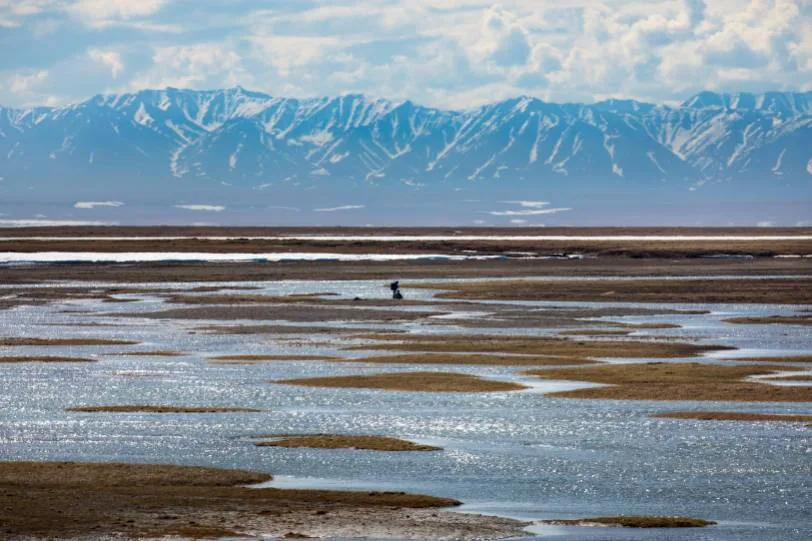
This sale represents the first of four planned for the area and reflects a cautious step toward opening ANWR, an ecologically sensitive zone known for its wildlife, including polar bears and the Porcupine Caribou Herd. The refuge’s coastal plain is also considered a possible source of significant oil reserves, a factor that has driven development discussions for decades.
However, industry response contrasts sharply with other lease sales in nearby areas. For example, an earlier event this year in the North Slope’s National Petroleum Reserve-Alaska—a separate but neighboring region—attracted nearly $164 million in bids from major companies like ConocoPhillips and Repsol. Many of those bids individually exceeded $2 million, highlighting the pronounced lack of enthusiasm for ANWR.
Analysts and longtime industry observers point to this low engagement as a signal that leading oil and gas firms remain wary of the challenges and risks associated with exploration in the refuge. The first ANWR lease sale, held in 2021, attracted minimal interest, and subsequent sales, such as one in 2025, drew none at all. The ongoing reluctance illustrates how difficult it remains to balance economic ambitions with environmental concerns in this federally protected area.