

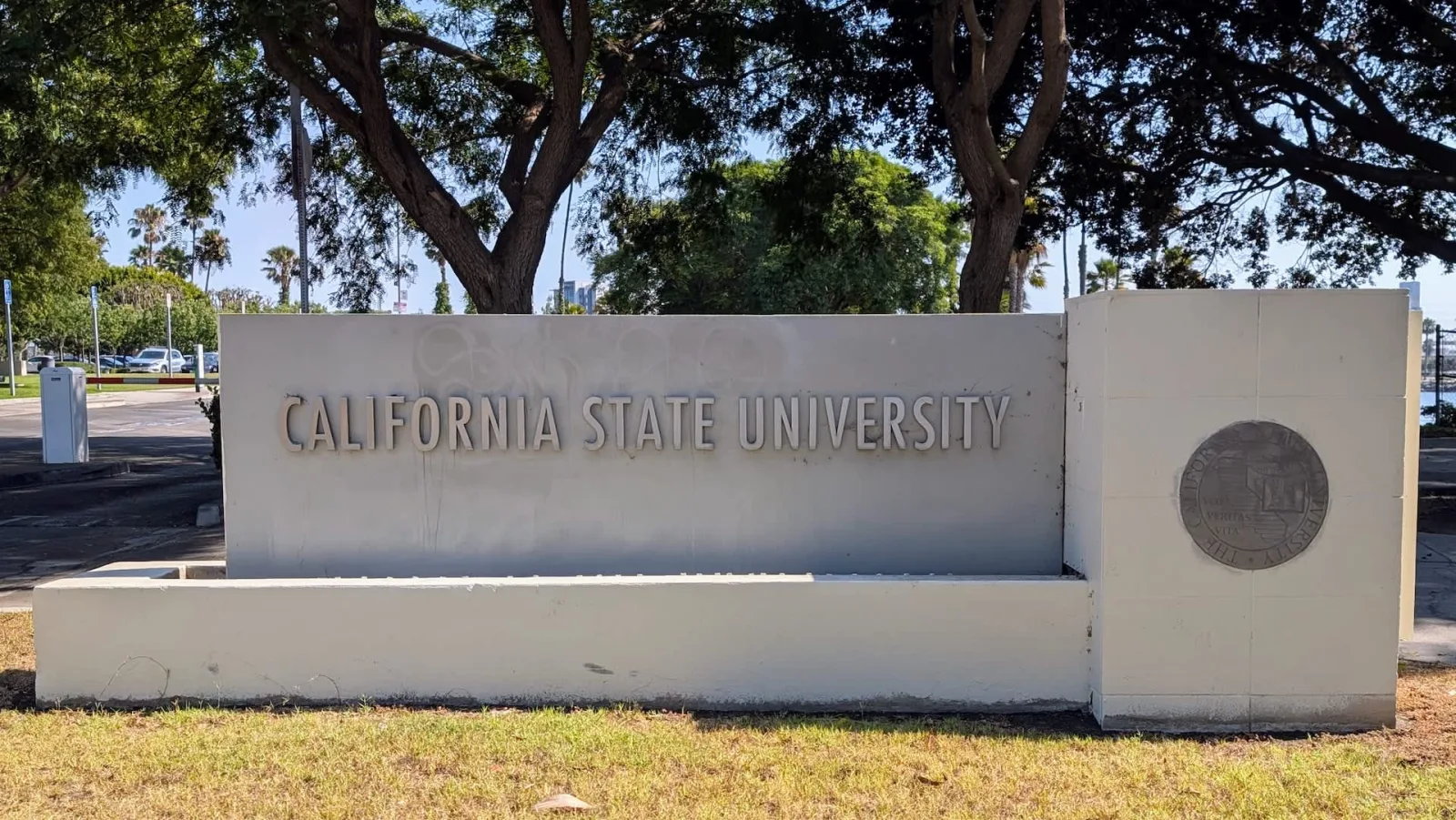
California State University (CSU) has renewed its multimillion-dollar agreement with OpenAI, extending access to ChatGPT for students and faculty even as many express skepticism about the technology's educational value. This renewal commits $13 million annually to the partnership, following a survey revealing that a majority of users doubt AI tools are enhancing learning outcomes.
Last year, CSU became an early adopter of generative AI in higher education by investing $17 million to provide ChatGPT Edu to over half a million community members across its campuses. The survey, which gathered responses from more than 94,000 students and faculty, showed that 84% of students have tried ChatGPT, with about half using it regularly. However, 65% of students and 59% of faculty do not believe AI has improved education, with concerns ranging from academic integrity to bias and environmental impacts.

The internal discussions within CSU highlighted the deal as a “huge branding opportunity,” raising questions about whether the investment aims more at public relations than actual educational advancement. Faculty feedback reflected the ongoing tension: nearly 40% of instructors reported discouraging or banning AI use, and over half felt AI negatively affected their teaching, citing issues such as cheating risks and compromised creativity.
Wider debates on AI’s role in education also focus on cognitive and ethical implications. Early research suggests that reliance on AI could diminish critical thinking and memory retention. Moreover, environmental concerns accompany the tech’s expansion. Data centers powering AI consume significant electricity and water, potentially increasing emissions and straining local energy grids. With CSU facing possible budget cuts approximating $144 million, the allocation of funds to AI adoption has attracted criticism from various stakeholders.
Beyond academics, AI’s rapid integration brings risks including misuse, bias reinforcement, security vulnerabilities, and broader societal effects. Some students have voiced ethical opposition related to these issues, particularly environmental impact and fairness. The CSU case serves as a bellwether for other institutions weighing the benefits and challenges of generative AI in education.