

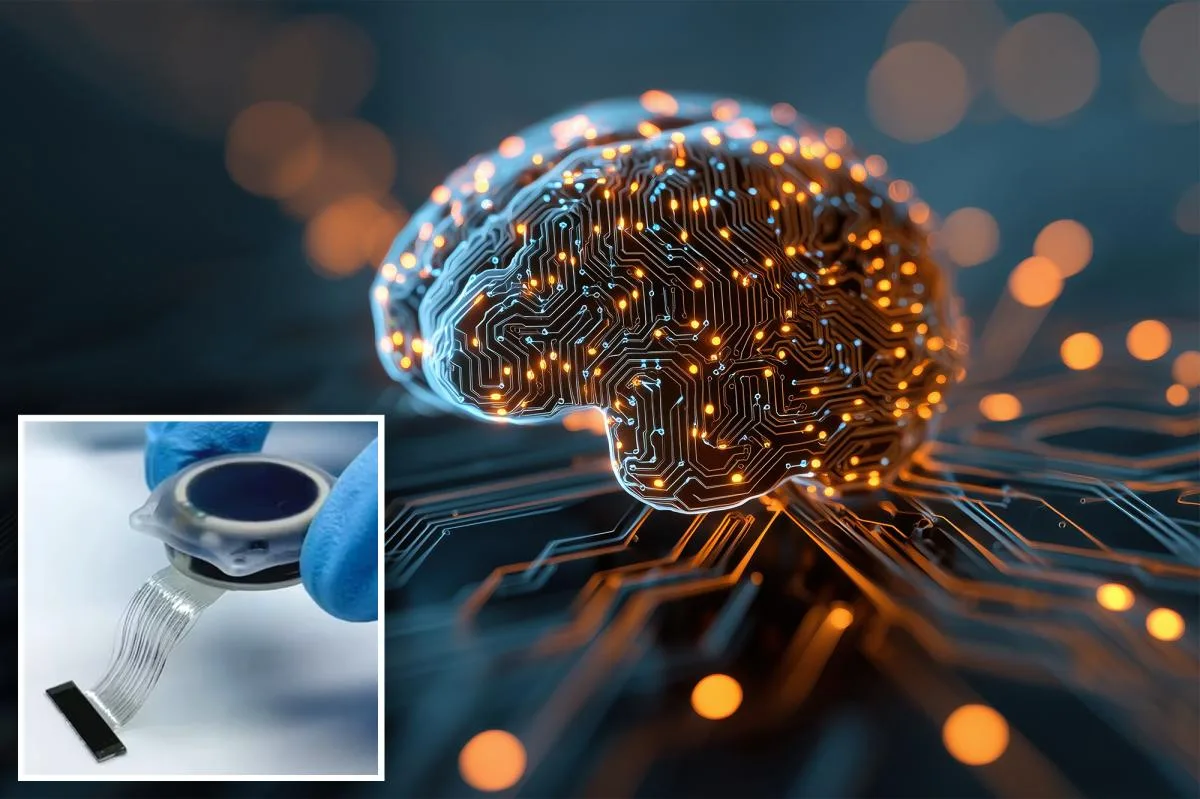
China has officially approved the world’s first commercial brain-computer chip, a surgical implant designed to assist patients with spinal cord injuries and paralysis. The device, named NEO, recently passed clinical trials and is ready for mass production within China’s state-run health system, outpacing Elon Musk’s Neuralink in reaching this milestone.
This coin-sized implant aims to enhance nervous system function by restoring motor control to those affected by debilitating conditions. While its current use is medical, both Chinese authorities and private tech enterprises envision the chip as a stepping stone toward advanced human-machine integration, potentially augmenting cognitive and sensory abilities.

Neuralink, Elon Musk’s brain-implant startup, has publicly aligned itself with similar medical ambitions—enabling people to operate digital devices by thought and aiding recovery from paralysis or loss of sight. Musk has described these technologies as transformational, with potential applications ranging from restoring physical functions to addressing mental health conditions. However, Neuralink has yet to commercialize a product comparable to China’s approved chip.
The broader conversation around brain-computer interfaces includes hopes of digital telepathy and telekinesis. Industry figures foresee a future where human cognition may merge with artificial intelligence, sparking debates on privacy, security, and ethical use, especially regarding neural data ownership. Experts warn that brain implants could expose sensitive personal information to hackers.
Investment in this emerging sector is growing rapidly. Analysts project the brain-computer interface market to expand significantly in the coming years, emphasizing high commercial stakes. Both the Chinese government and prominent tech leaders view this development as the initial step toward a cyborg-enhanced society, with implications extending beyond medical rehabilitation to transforming human productivity and compliance.