

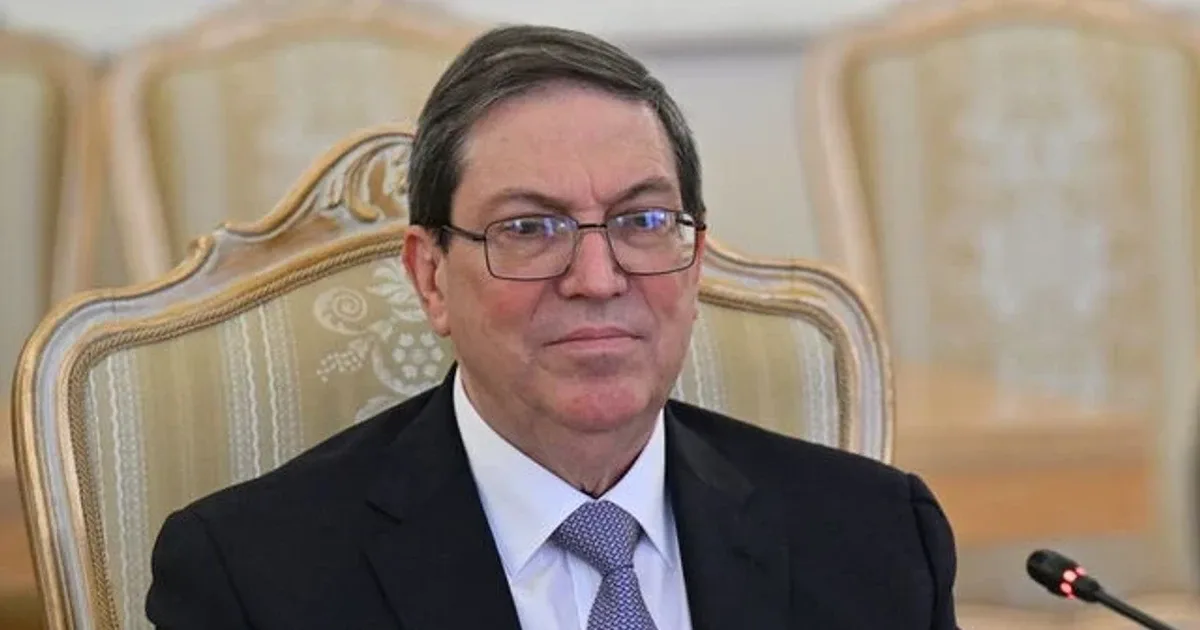
Cuba announced that diplomatic talks with the United States have stalled, dimming hopes for immediate relief from longstanding sanctions that continue to strain the island's fragile economy and healthcare system. The Cuban foreign minister framed the talks as unproductive, blaming Washington’s mix of pressure and hostile rhetoric for halting progress despite a brief renewal of dialogue earlier this year.
The Cuban government asserts that the sanctions not only hinder economic development but also endanger the survival of its 9 million residents. Cuban officials warn that the tightening restrictions are contributing to widespread shortages of essential goods, including food, fuel, medicine, and electricity. These shortages have forced the postponement of tens of thousands of surgeries and aggravated healthcare challenges, with United Nations experts highlighting the impact on children’s lives due to limited access to vital medicines.

Washington maintains that sanctions are a necessary tool to address what it describes as a national security threat posed by the Cuban government. The U.S. has expanded its punitive measures recently by sanctioning individuals and entities linked to Cuba’s military and energy sectors, including the military’s business conglomerate GAESA and the state oil company Unión Cuba-Petróleo. These sanctions follow a classification of Cuba as a government that undermines U.S. interests and security.
Despite Cuba’s announcement of free-market reforms, Havana says these economic shifts were excluded from bilateral discussions, underscoring the gap between the parties’ priorities. Cuban officials plan to raise the issue again at the United Nations, including at the upcoming General Assembly session, to denounce the ongoing tightening of sanctions and seek international support.