

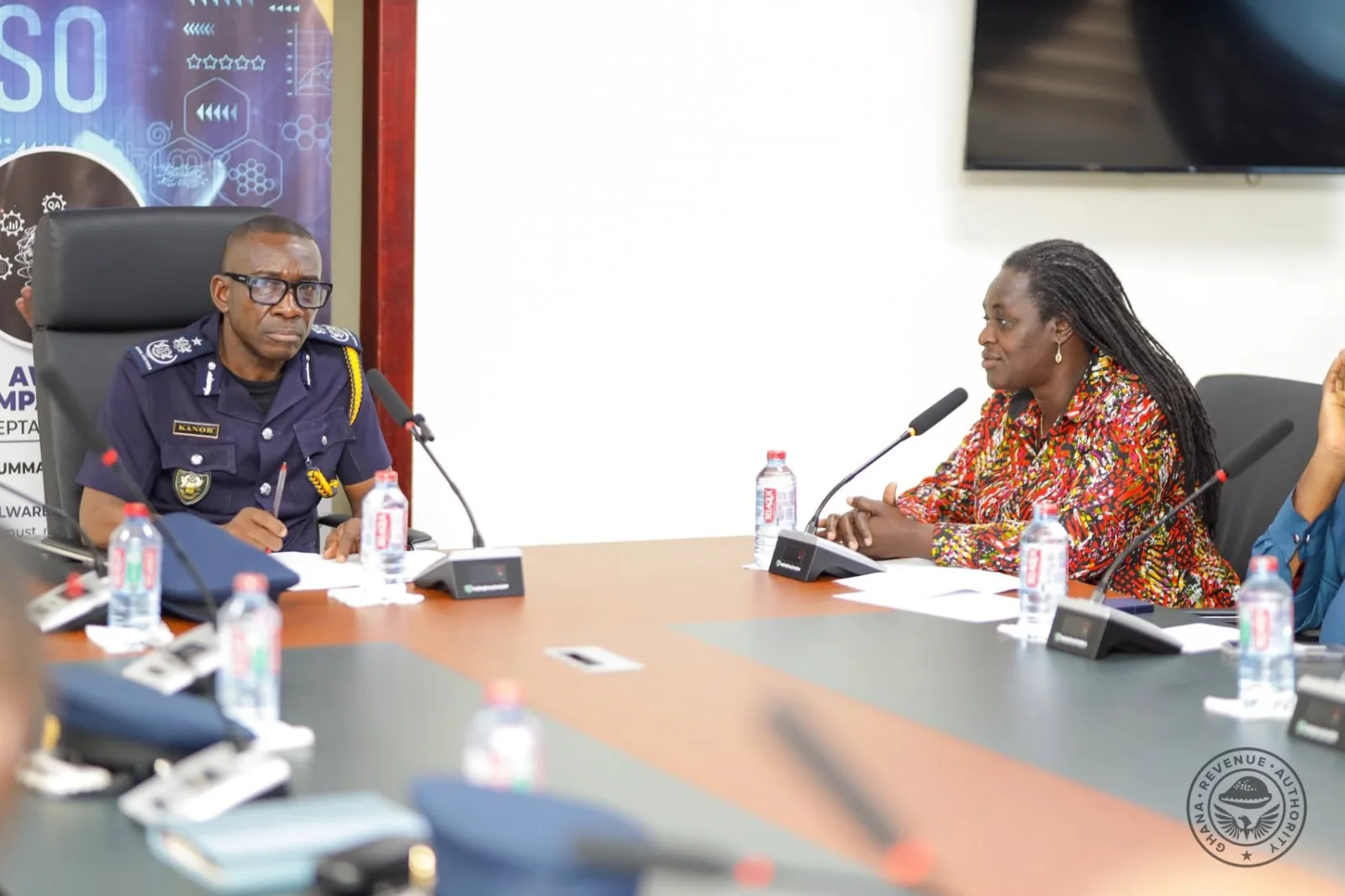
Ghana’s Environmental Protection Agency (EPA) and the Ghana Customs Division have intensified their cooperation to better regulate hazardous chemicals entering the country. Their recent meeting aimed to create a structured partnership that improves oversight, enforces safety standards, and protects public health and the environment from risks linked to hazardous imports.
One significant initiative from this collaboration involves upgrading the Customs’ Integrated Customs Management System (ICUMS) by incorporating artificial intelligence-driven tools. This technological enhancement is expected to strengthen the monitoring and tracking of chemicals, enabling authorities to more effectively identify suspicious shipments, monitor compliance, and reduce illegal or misdeclared imports.

Both agencies identified the frequent misclassification of hazardous substances—especially pesticides like Profofos—as a major challenge. Such misdeclarations allow dangerous chemicals to evade proper customs duties and environmental scrutiny. Strengthened coordination between customs officers and environmental regulators will focus on closing these loopholes and ensuring all hazardous imports meet Ghana’s safety and environmental standards.
Another priority is the management of illegally seized hazardous chemicals, such as Sodium Cyanide, a highly toxic industrial compound commonly used in mining. Officials committed to speeding up efforts for the safe and environmentally sound disposal of confiscated stocks to prevent harm to human health and local ecosystems caused by improper storage or disposal.
This enhanced partnership reflects a broader government drive to modernize regulatory frameworks and leverage digital technologies for improved border security, chemical safety, and environmental governance in Ghana.