

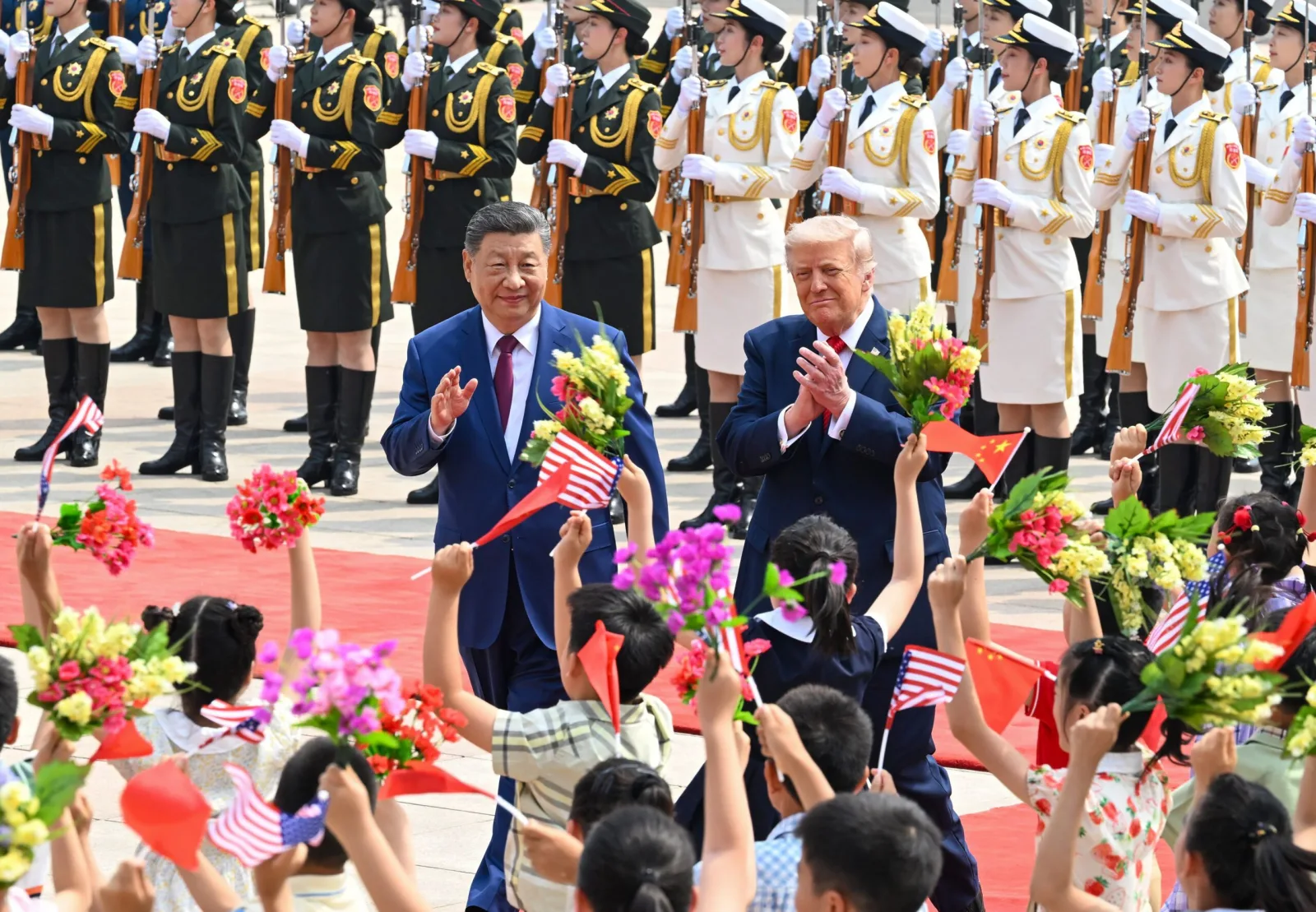
India is navigating the intensifying rivalry between the United States and China by adopting a policy of strategic neutrality that balances diplomatic, economic, and security interests. Rather than pledging full allegiance to either power, India maintains robust ties with both countries, reflecting a broader trend among Global South nations that seek to avoid exclusive alignments amid bipolar global pressures.
This approach is evident in India's participation in the Quad alliance alongside the US, Japan, and Australia, which aims to counter China’s increasing influence across the Indo-Pacific. While the Quad focuses on regional security, technological development, infrastructure, and climate initiatives to bolster collective strength, India simultaneously sustains significant economic engagement with China. This dual posture exemplifies a nuanced balancing act rather than outright opposition to Beijing.

The concept of strategic autonomy, reaffirmed in India’s foreign policy since 2014, guides this delicate balancing act. India aims to maximize its international partnerships without becoming dependent on ideological or value-based coalitions. Its strategic relevance to the US stems primarily from its geostrategic position in the Indo-Pacific, where Washington lacks direct territorial presence and relies on allies to project influence. By deepening technological and infrastructural cooperation with the US, India enhances its regional role while preserving room for independent maneuvers.
Historically, India’s relationship with the US has been multifaceted, involving economic cooperation and security collaboration. However, unpredictability in US policy during earlier years prompted New Delhi to reassess and calibrate its level of dependence. The result is an ongoing effort to maintain mutually beneficial ties without compromising strategic autonomy.
India’s strategy reflects a growing pattern among emerging economies such as Indonesia, Brazil, and Saudi Arabia, which are similarly resisting binary global divisions by pursuing pragmatic, realist foreign policies. This recalibration acknowledges interconnected global interests while hedging against becoming entangled in great-power rivalries exclusively.