

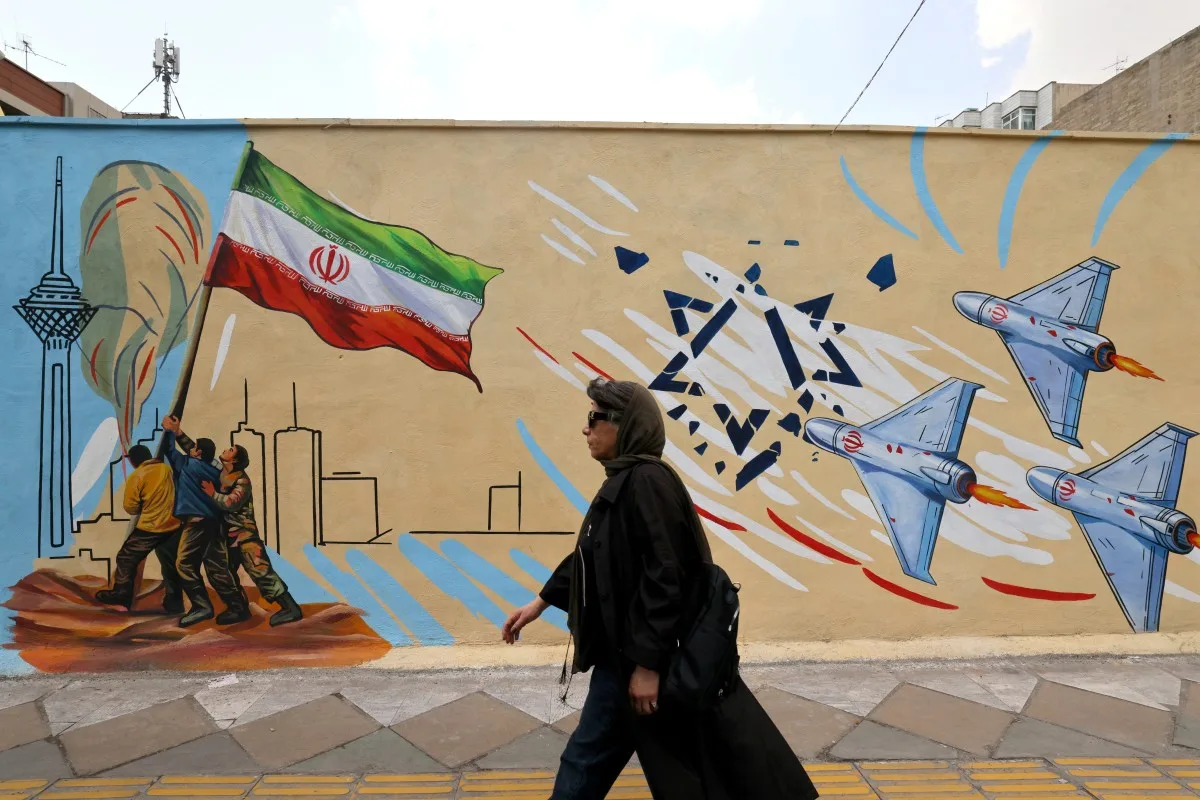
Iran has shifted the framework of its negotiations with the United States by insisting that any agreement must address Israel’s attacks on its proxy group Hezbollah in Lebanon. This demand marks a clear departure from traditional negotiation points focused on Tehran’s security or sanctions relief and ties the peace process to regional military dynamics involving a third sovereign state.
The recent exchange of hostilities—triggered by Israeli strikes targeting Hezbollah positions in Lebanon—has underscored Tehran’s growing insistence on what it calls a “right of response” against Israel on Lebanese soil. Iranian-backed attacks against Israel followed not direct aggression towards Iran, but retaliations framed as defense of Hezbollah. In doing so, Iran effectively seeks international recognition of its authority over Lebanese affairs and is demanding that Israel’s military actions in Lebanon become part of any U.S.-Iran peace agreement.

This approach threatens to challenge established principles under the United Nations Charter and customary international law, which emphasize respect for the sovereignty of nations and the limitation of external interference. By pressing for inclusion of the Israel-Lebanon conflict in nuclear and diplomatic negotiations, Iran risks setting a precedent that could embolden other states like Russia and China to assert expansive influence beyond their borders.
Previously, Iran and allied groups—such as Hamas, Hezbollah, and the Assad regime—formed a formidable regional bloc often referred to as the “Axis of Resistance.” However, the 2023 Hamas attack on Israel and subsequent military setbacks significantly weakened Tehran’s regional dominance. U.S. efforts, including brokered ceasefires between Israel and Lebanon, have so far failed to contain renewed Hezbollah attacks and Israeli counterstrikes.
Iran’s latest stance ties its participation in the nuclear and diplomatic talks directly to resolving the conflict in Lebanon, effectively giving Tehran a veto power over Israel’s right to self-defense within the Lebanese border. This demand complicates an already fragile peace process and raises concerns about the erosion of diplomatic norms that safeguard state sovereignty and independent decision-making in international relations.