

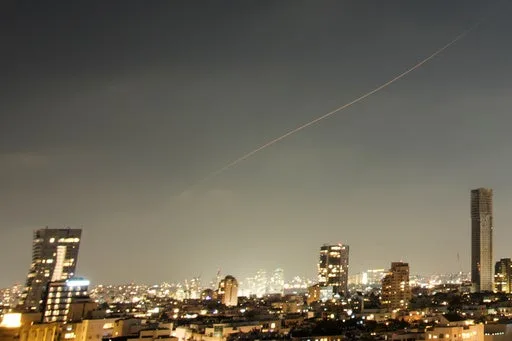
The fragile ceasefire between Israel and Iran shattered as both sides launched missile strikes, marking their most serious military exchange since the truce took effect months ago. The latest escalation saw Iran firing missiles at Israel, which the Israeli military intercepted, triggering retaliatory airstrikes targeting Iranian-backed groups and facilities.
Compounding the tensions, Iranian-backed Houthi rebels in Yemen launched a missile toward Israel, threatening Red Sea shipping lanes and broadening the regional scope of the conflict. This demonstrates the increased involvement of proxy forces allied with Iran, expanding the conflict beyond direct Israel-Iran hostilities.

Israel’s strikes focused on Hezbollah positions in Lebanon, including a recent attack on Beirut, which defied U.S. calls for restraint issued days earlier. Despite these warnings, Israel emphasized its commitment to self-defense, with Prime Minister Benjamin Netanyahu stating Israel would respond forcefully if Iran continued its attacks. Netanyahu’s stance appears to diverge from U.S. President Donald Trump’s advisories, who reportedly suggested Israel avoid further military responses.
On the ground, Israeli security forces examined missile fragments from the intercepted Iranian attacks in northern Israel. Meanwhile, Iran's National Emergency Medical Organization reported that Israeli strikes inside Iran injured at least fifteen people, though no fatalities have been confirmed. The wounded were primarily located in the Khuzestan province, signaling the strikes’ penetration into Iranian territory.
Israel’s Defense Minister issued a stern warning that any attacks on northern Israeli settlements would provoke severe retaliation against Beirut’s Dahiyeh suburbs, a Hezbollah stronghold. The minister stressed that Iran would face "great force" if it used Hezbollah’s provocations as justification for additional missile launches against Israel.
Meanwhile, Turkey is actively pursuing diplomatic efforts to defuse the crisis, maintaining communications with the United States, Iran, and other regional players. Turkey’s Foreign Minister highlighted the importance of avoiding a broader war that could destabilize the entire region and endorsed ongoing mediation attempts involving Pakistan and other partners.