

The United States intensified military actions against Iran, launching airstrikes on Iranian military targets while President Donald Trump warned of additional attacks. These developments followed Iranian rocket fire into U.S.-allied countries hosting American troops, escalating an already volatile situation that endangers a ceasefire held for two months.
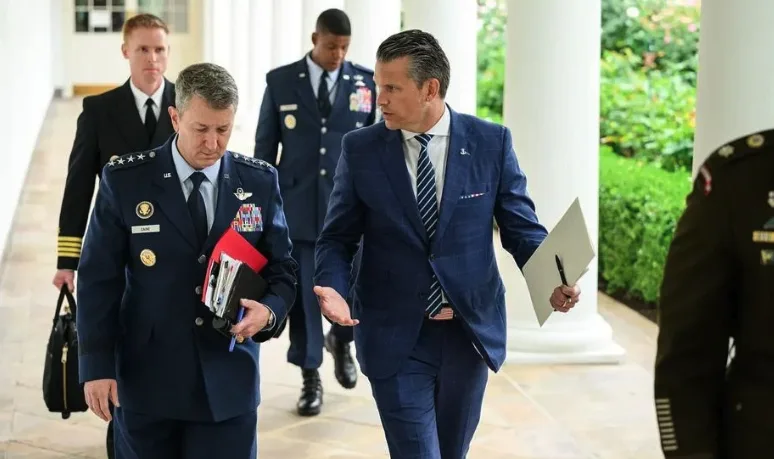
The clashes unfolded after reciprocal strikes earlier in the week between Iran and Israel. U.S. Defense Secretary Pete Hegseth emphasized that the military planned further “hard” strikes overnight, underscoring Washington’s determination to pressure Tehran. Hours after Trump’s statements, U.S. forces targeted an Iranian oil tanker violating a blockade on Iranian ports, signaling efforts to disrupt Tehran’s oil exports.

Despite sustained bombardment, Iran has demonstrated resilience and confidence, leveraging its control over the Strait of Hormuz—a critical maritime chokepoint for global oil shipments—as a strategic bargaining tool amid ongoing U.S. sanctions and military pressure. Tehran’s United Nations ambassador insisted that Iran will not succumb to threats or coercion, maintaining that any negotiated settlement cannot be achieved under duress.
Both sides appear motivated to seek an end to hostilities but face internal political challenges that complicate potential deals. Israeli Prime Minister Benjamin Netanyahu’s objectives—to dismantle Iran’s theocratic regime, dismantle its nuclear capabilities, and neutralize Iranian-backed Hezbollah militants—represent significant obstacles to compromise. The dual priorities of presenting any agreement as a victory domestically further strain diplomatic progress.
The recent surge in violence threatens to unravel the ceasefire brokered two months ago, with attacks spreading across multiple fronts. The dynamics in the region remain fragile, with the risk of a wider conflict heightened by persistent retaliatory strikes and competing political goals.