

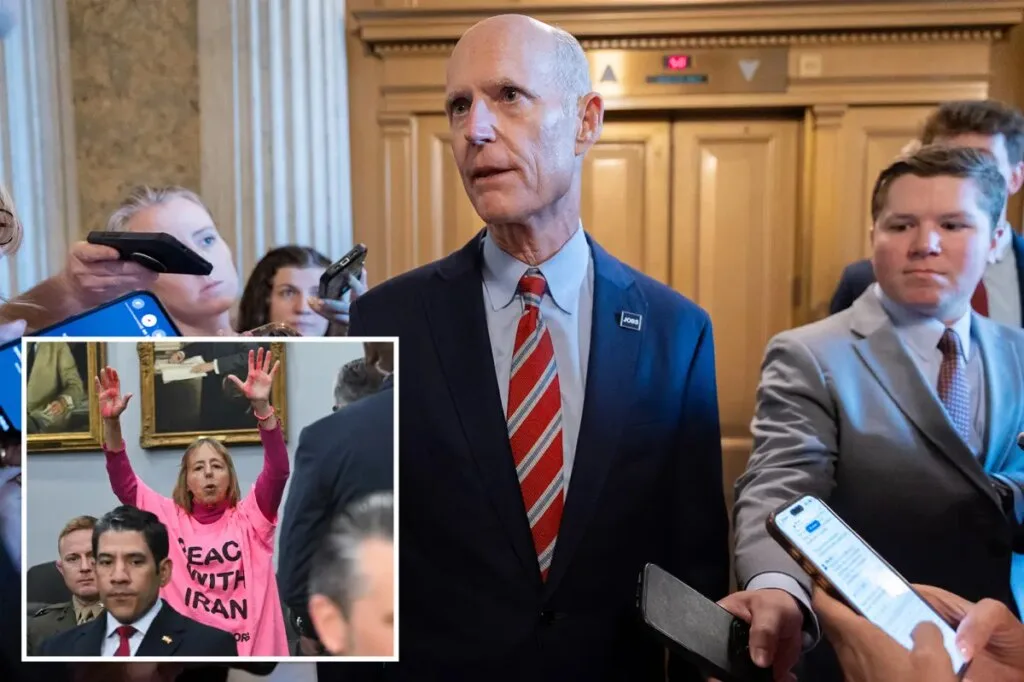
Senator Rick Scott has called on the Trump administration to strip the activist organization CodePink of its 501(c)(3) tax-exempt status, accusing the group of improper ties to the Chinese Communist Party (CCP) and other adversarial regimes. In a letter addressed to IRS Commissioner Frank Bisignano, Scott argued that CodePink’s activities breach the rules governing nonprofit entities, particularly regarding lobbying and foreign influence.
The Florida Republican highlighted CodePink’s history of disrupting congressional hearings and aggressively lobbying lawmakers, which conflicts with IRS restrictions prohibiting excessive lobbying by tax-exempt organizations. Scott underscored that CodePink’s own mission involves influencing members of Congress, recalling that it was founded expressly to lobby political leaders during the Iraq War and has since maintained this focus through public protests and direct confrontations on Capitol Hill.

Beyond its lobbying efforts, Scott expressed concern about the group’s alleged financial and operational links to the CCP. CodePink was co-founded by the spouse of a billionaire tech figure accused of sympathizing with Beijing and reportedly sponsoring CodePink protests. This individual has come under scrutiny for potentially assisting China’s propaganda efforts, prompting ongoing investigations by congressional committees into the funding sources supporting the activist group.
IRS regulations for 501(c)(3) organizations require that tax-exempt groups operate independently and primarily for charitable, educational, or public interest purposes without undue political lobbying or foreign influence. Scott’s letter contends that CodePink’s persistent lobbying activities and its connections to figures allied with the CCP violate these standards, thereby threatening the integrity of its tax-exempt status.
CodePink activists have frequently drawn attention for disruptive behavior during congressional hearings and high-profile demonstrations, including protests against U.S. military engagements. Their confrontational tactics have often led to removals and arrests, further fueling the debate over whether their methods align with nonprofit guidelines.
The Trump administration and IRS now face pressure to evaluate whether CodePink’s tax-exempt privileges remain justified given these allegations. Scott’s appeal aligns with broader congressional efforts to scrutinize organizations suspected of acting as conduits for foreign influence within the United States political system.