

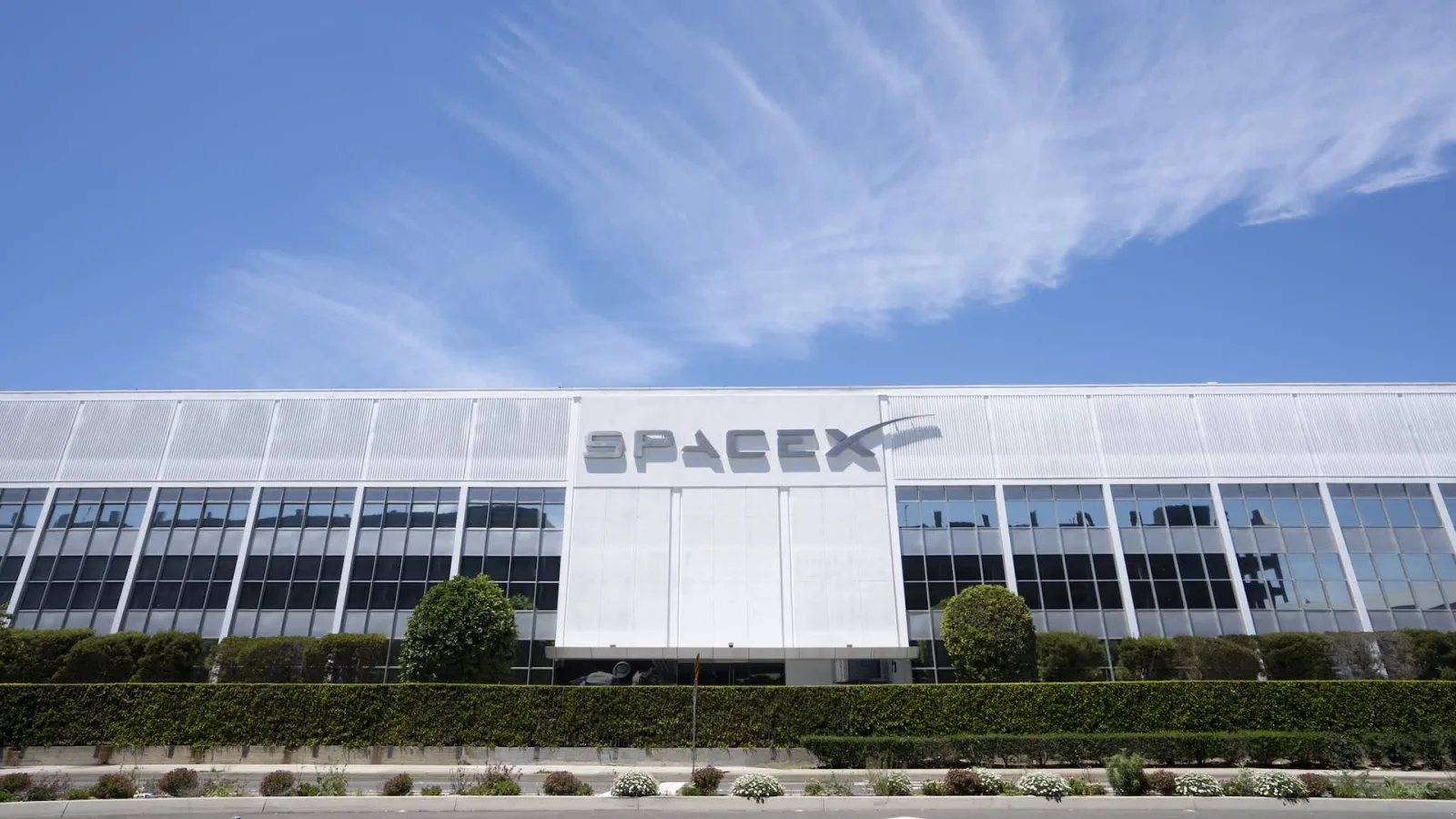
SpaceX has unveiled plans for Terafab, a colossal chip manufacturing facility in Texas intended to power the company's AI and orbital data center ambitions. However, the latest Securities and Exchange Commission (SEC) filing reveals that critical agreements and project details remain unsettled, casting uncertainty over the megaproject's future.
The company describes Terafab's potential to produce one terawatt of compute hardware annually—around 1,000 times the output of SpaceX’s current flagship data centers combined—marking it as a cornerstone of its AI growth strategy. Despite these ambitious projections, the IPO prospectus states there is no binding contract in place, with major terms, timelines, capital expenditures, and milestones yet to be finalized. The filing also notes that Intel joined the initiative just a month prior to the IPO submission, highlighting the project's early and fluid stage.

As SpaceX prepares for a high-profile stock offering valuing the company at $1.77 trillion and aiming to raise $75 billion, it positions AI as central, attributing the majority of its market opportunity to this sector. Still, the company's AI division reported significant losses recently, further underscoring the risks involved. The project’s scale holds promise for local economic development, but it also raises community concerns about infrastructure pressure, especially regarding housing affordability, traffic congestion, and water resources. For instance, the Bluebonnet Groundwater Conservation District expects water to be drawn from Gibbons Creek rather than new wells, directly linking Terafab’s resource demands to natural water bodies.
The involvement of Tesla, another Elon Musk company, creates a corporate link between the industries but does not clarify how integrated their roles will be in Terafab’s development. Local officials have approved tax abatements to support the initiative, signaling political enthusiasm despite the lack of concrete commitments. Corporate consultants note the project’s potential to drive extensive construction and economic activity around retail, housing, and office spaces, yet nearby residents remain cautious about the immediate impacts on their communities.