

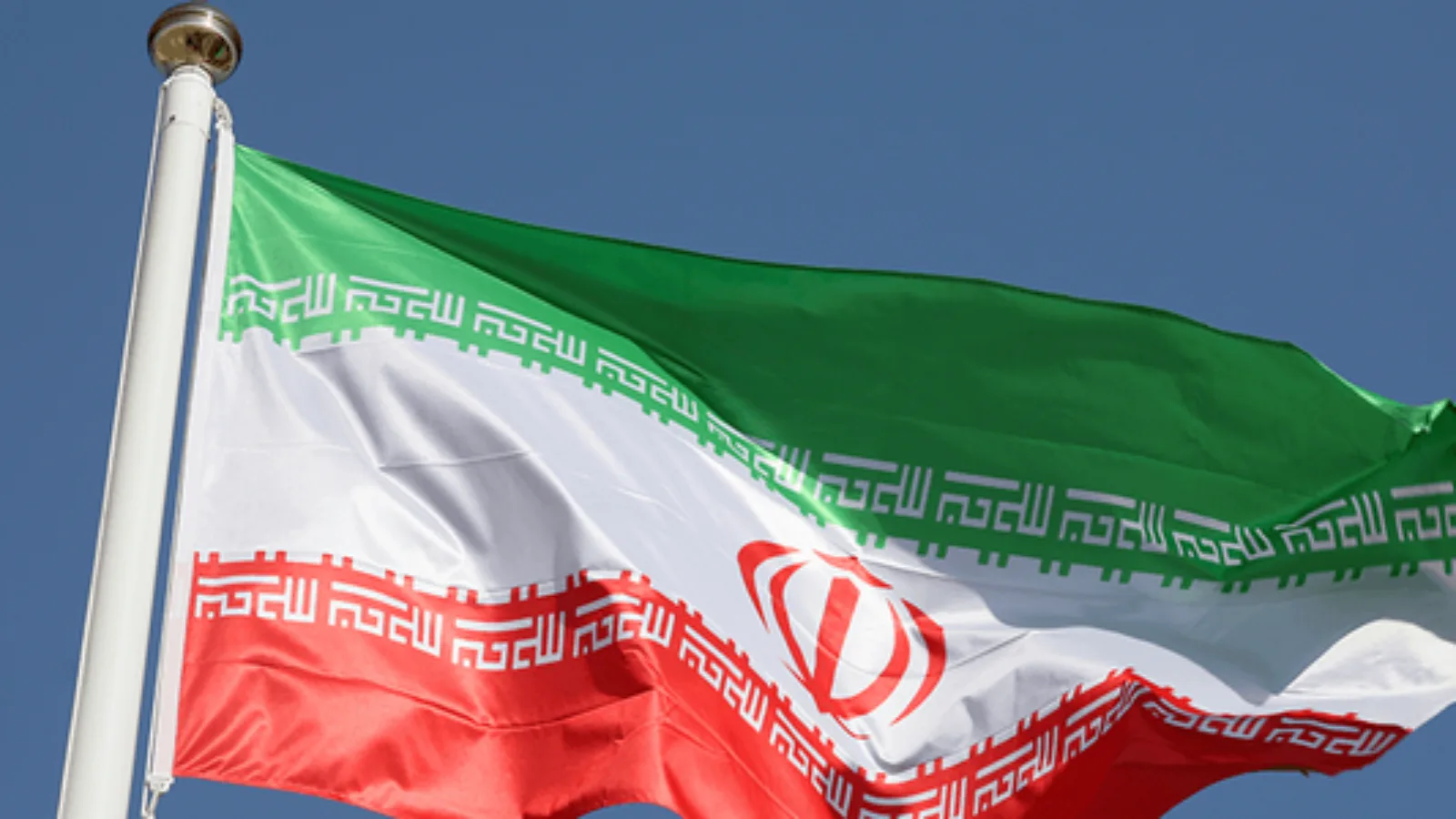
Recent reports indicate renewed momentum toward a nuclear agreement between Washington and Tehran, but inside Iran, authorities fiercely reject any suggestion of concessions. Senior figures, including the parliamentary speaker, dismiss such news as psychological warfare or outright fabrication. State media echo this stance, denying even rudimentary compromises like halting uranium enrichment. This stark contradiction reveals a profound political impasse within the country’s ruling elite.
Iran’s internal discord revolves around the competing needs to respond diplomatically to international pressures while maintaining the regime’s ideological core. The slogan “Death to America” and hostility toward the United States have long defined the Islamic Republic’s identity. Any deal perceived as capitulation risks fracturing the regime’s legitimacy, creating what analysts describe as a “legitimacy trap.” This dilemma forces Tehran into a precarious balancing act—pursuing flexibility on the global stage yet firmly rejecting any public acknowledgment of compromise at home.

This tension fuels conflicting narratives from officials. Some deny any talks outright, while others attack foreign media for spreading misinformation. Reports of factional disputes among hardliners grow more frequent, even within government-aligned outlets. A heightened focus on “internal cohesion” has emerged as a defensive strategy, with judiciary leadership warning of legal action against those who threaten unity and the president underscoring centralized decision-making by the leadership’s inner circle. These moves indicate anxiety rather than confidence in the regime’s stability.
Iran’s predicament reflects a broader challenge common to authoritarian regimes: strategic choices that offer external survival come at the cost of internal stability. Facing sustained economic sanctions and widespread hardship, Tehran must navigate between easing external pressures through diplomacy and preserving a revolutionary identity that justifies its rule. This paradox explains the recurring pattern of Tehran’s shadow diplomacy—advancing talks quietly while publicly denying any progress.