

The U.S. government defended its tightening of sanctions against Cuba as a necessary pressure on the island’s leadership, even as United Nations officials raised alarms about the growing hardship faced by Cuban civilians. Recent measures, including fuel restrictions and financial penalties, have sparked a dispute over whether economic sanctions are effectively influencing political behavior or primarily punishing the population.
Volker Turk, the UN human rights chief, expressed grave concerns that the sanctions are disrupting access to essential goods such as fuel, food, water, and medicine. He highlighted that children and vulnerable groups are suffering due to shortages that hamper medical care and daily necessities. Turk’s warnings framed the crisis as a humanitarian emergency unfolding alongside diplomatic tensions.

President Donald Trump implemented Executive Order 14404 earlier this year to target individuals and entities linked to Cuba’s government repression and threats to U.S. security. The Department of State announced sanctions on multiple Cuban regime officials and organizations, including penalties against financial institutions facilitating transactions with these targets. These steps extend Washington’s reach beyond Cuba’s borders, aiming to isolate key supporters of the regime.
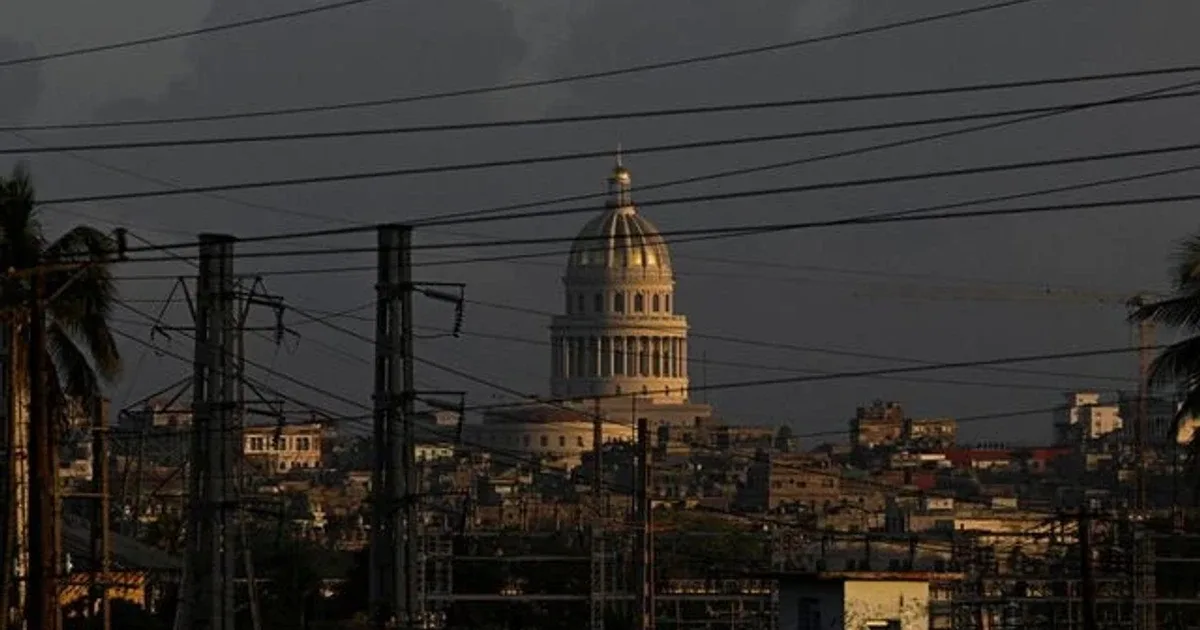
The sanctions also include threats of tariffs against countries supplying oil to Cuba, directly tying economic pressure to the island’s frequent electricity outages and resulting shortages. In response, Cuba’s central bank suspended Visa and Mastercard transactions, prompting concerns that foreign businesses are severing financial ties due to the sanctions.
Meanwhile, Cuba’s Foreign Minister criticized the U.S. energy restrictions, claiming they have worsened conditions for the Cuban people and hampered international organizations’ work on the island. UN experts have condemned the coercive measures, urging Washington to demonstrate that its sanctions achieve political goals without exacerbating civilian suffering.
The core of the debate centers on the effectiveness and morality of economic sanctions as a tool of foreign policy—whether they can compel political change in Cuba or primarily deepen hardship for everyday citizens with little influence over their government’s actions.