

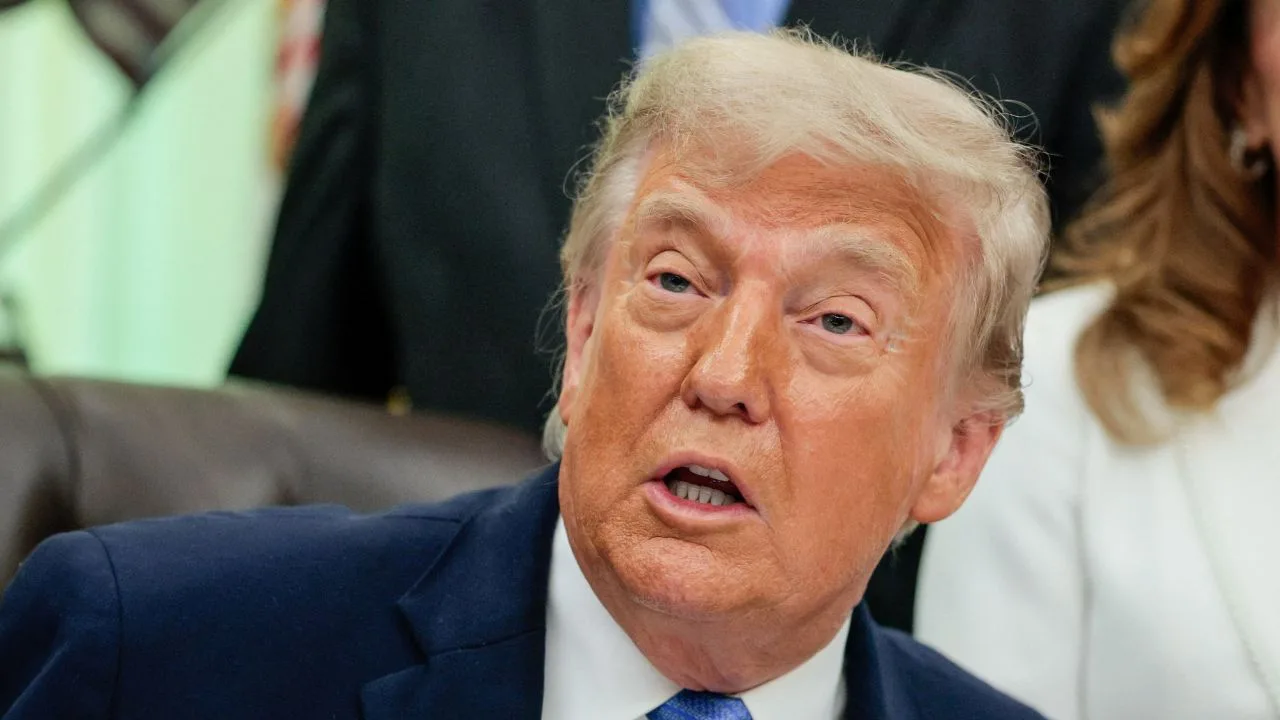
President Donald Trump signaled a potential exit from the North American trade agreement unless terms change, emphasizing his dissatisfaction with trade deficits the US runs with Canada and Mexico. He stated that the United States does not need goods from these neighbors but that they rely heavily on American exports, calling for better treatment of the US in any future deal.
The existing trade agreement, known as the United States–Mexico–Canada Agreement (USMCA), requires all three countries to agree to a renewal by July 1 or express intent to withdraw, triggering a decade-long exit process. This timeline would allow for renegotiations and adjustments to the pact that currently supports close to $1.6 trillion in annual trilateral trade.

The US Trade Representative’s office has arranged additional talks with Mexico focusing on agriculture and competitive fairness, scheduled for mid-June and late July. Canada, meanwhile, recently held positive discussions with US officials on reviewing the deal, although formal negotiations have yet to be scheduled. Trump’s comments underscore ongoing tensions as the two neighbors remain key trading partners with the United States.
In 2025, the US faced significant trade deficits, including $46 billion in goods with Canada and $197 billion with Mexico. Mexico overtook Canada as the US’s largest trading partner in 2023, with the vast majority of exports from Mexico and Canada destined for the US market. Meanwhile, Mexico and Canada account for nearly one-third of all US goods exports, making the agreement a critical component of North American economic integration.
As negotiations continue, the future of the USMCA stands at a crossroads, balancing economic interdependence against political demands for a more favorable trade balance. Whether Trump’s administration will pursue renewal or initiate withdrawal remains uncertain, with leaders from all three countries set to decide before the upcoming July deadline.