

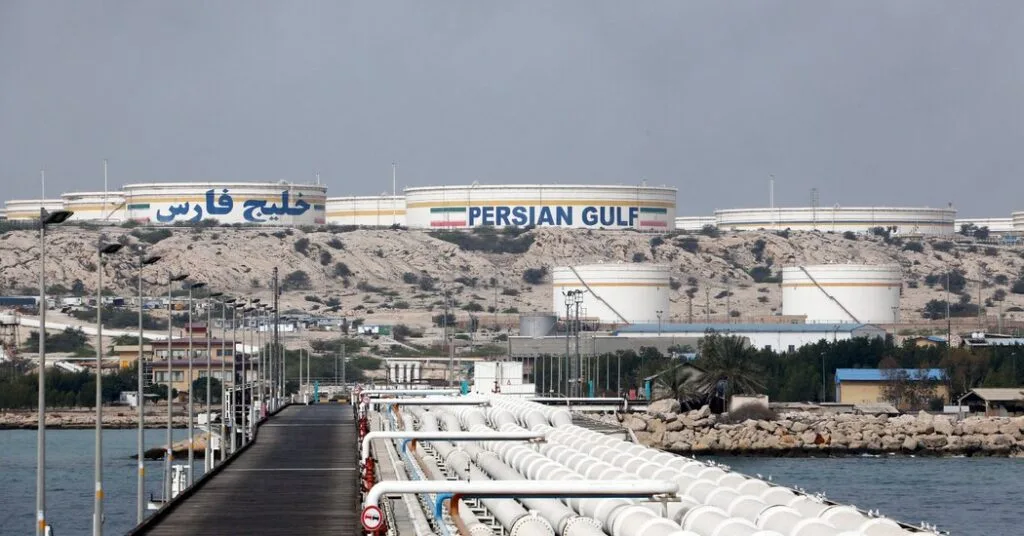
The United States has agreed to waive sanctions on Iran’s oil sector as part of a preliminary deal, marking a significant shift in American policy that could revitalize Iran’s battered energy industry. This waiver will allow Iran to export crude oil, petroleum products, and related services—including banking, insurance, and transportation—without facing U.S. penalties.
Previously, sanctions forced Iran to sell most of its oil at steep discounts and largely restricted its customers to Chinese refineries willing to risk violating U.S. rules. Iranian oil exports often relied on so-called shadow tankers, vessels that concealed their identity to evade enforcement measures. The new arrangement aims to normalize trade channels and enable Iran to engage with a broader range of buyers while receiving payments in major currencies.

Despite this breakthrough, Iran faces considerable hurdles. Damage to oil infrastructure from ongoing conflicts and the shutdown of key wells due to the sanctions have compromised production capacity. The International Energy Agency recently reported that Iran’s oil output is expected to remain steady but modest, representing a small fraction of the world supply. Revitalizing the sector to pre-sanction levels will demand significant investment and access to advanced technology, which depend on establishing stable diplomatic relations.
The U.S. government also committed to fully terminating all types of sanctions related to Iran’s oil industry within 60 days of a finalized agreement, which the two nations will negotiate. This phase aims to solidify the groundwork for a more normalized economic relationship and alleviate the financial constraints that have long hindered Iran’s economy.