

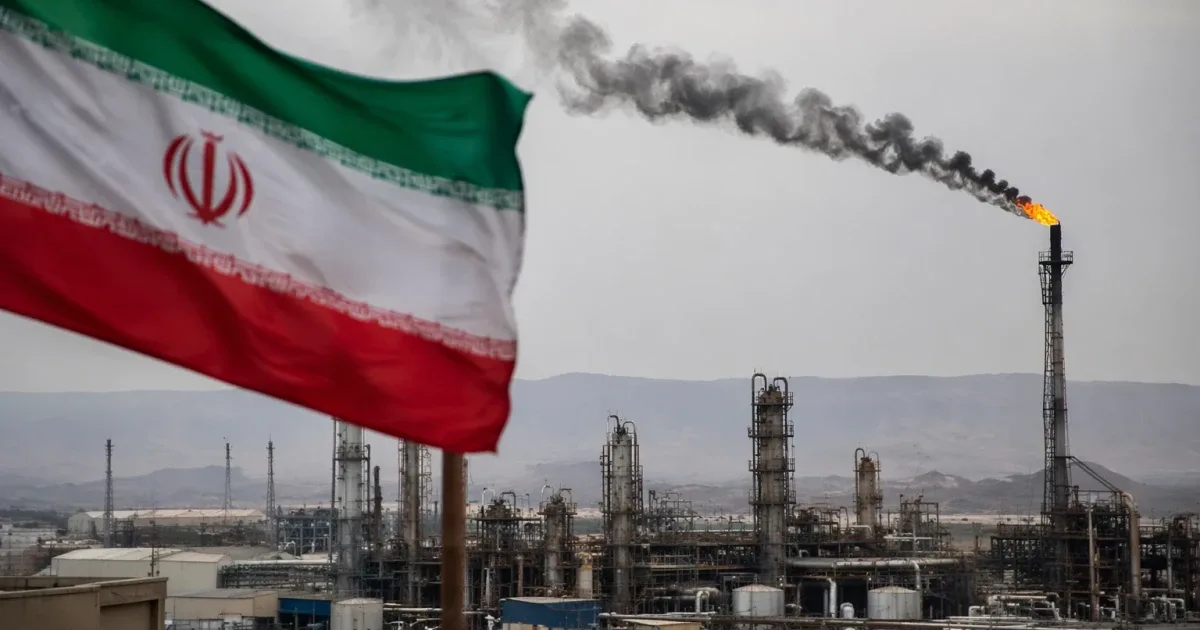
The claim that Iran gained no advantage from the lifting of oil sanctions contradicts a substantial body of evidence showing the opposite. Tehran’s oil sector has long been a core focus of US sanctions policy, making sanctions relief one of the regime’s key demands during nuclear negotiations. The Iranian government’s oil exports constitute a vital revenue stream underpinning its economy and political influence.
US efforts to restrict Iran’s oil activities date back to the 1979 embassy seizure, forming the backbone of a complex sanctions regime administered through various legal authorities. The Council on Foreign Relations and other analysts have emphasized that oil sanctions are far more than symbolic—lifting them can release billions in funds to Tehran. Recent sanction rounds underscore this ongoing pressure.

In early 2026, the US State Department unveiled multiple targeted actions against entities fueling Iran’s petroleum and petrochemical sectors, which are described as the regime’s principal income sources. One notable measure involved sanctioning a China-based petroleum terminal operator alleged to have imported tens of millions of barrels of Iranian crude, effectively funneling billions of dollars to Tehran. This marked the 12th sanctions round since early 2025 focused on Iranian oil sales.
Further sanctions targeted vessels and companies linked to Iranian petrochemical exports, reflecting coordinated attempts to choke off revenue that sustains the regime. A 2026 report detailed that the US had sanctioned over a hundred entities and vessels connected to Iran’s oil and petrochemical industries within recent months.
This historical and current enforcement context highlights the effectiveness of the sanctions regime in pressuring Tehran’s economy and influencing its negotiations. Contrary to suggestions that Iran has not benefited financially, relief from oil sanctions has consistently been a central negotiation point and carries tangible fiscal implications for the country. Tehran remains acutely aware of these dynamics as it navigates international discussions.