

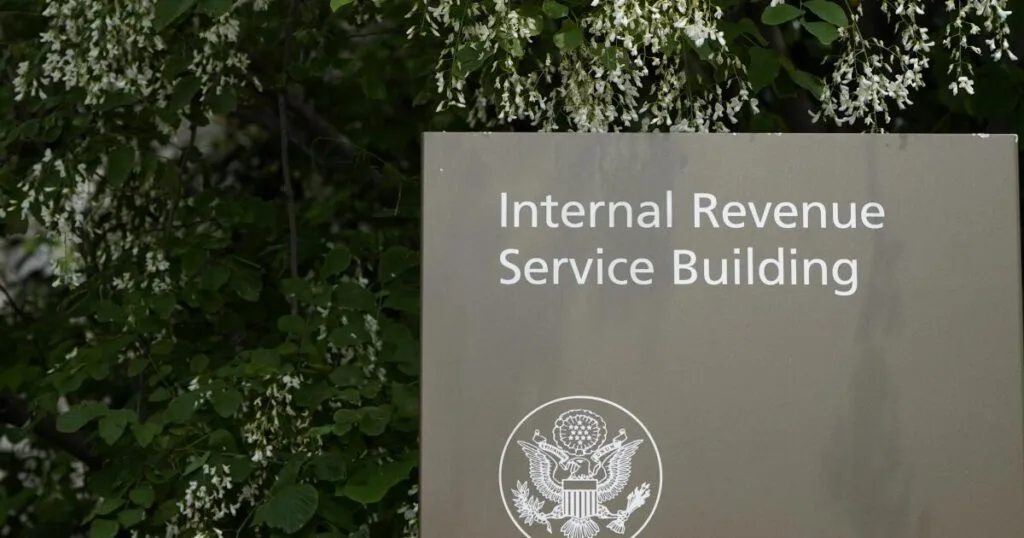
A recent report from the Treasury Inspector General for Tax Administration exposes critical security weaknesses in the 2025 data-sharing arrangement between Immigration and Customs Enforcement (ICE) and the Internal Revenue Service (IRS). This deal, aimed at cross-verifying immigration status with taxpayer records, has raised serious concerns about the protection of sensitive taxpayer information amid ongoing legal and institutional turmoil.
According to the report, ICE requested address data on over 1.2 million individuals suspected of being in the U.S. illegally. In response, the IRS provided last-known addresses for approximately 47,000 people. However, the process was marred by inconsistencies in how ICE formatted its data, which did not align properly with the IRS’s automated matching criteria. This misalignment caused errors, including cases where incomplete or inaccurate addresses were mistakenly accepted as valid matches.

The flawed data exchange prompted the resignation of the IRS’s acting commissioner due to the controversy surrounding the arrangement. Furthermore, a federal judge later ruled that the IRS had violated laws protecting taxpayer confidentiality by disclosing taxpayer information to ICE. This ruling referred specifically to the same 47,000 disclosures noted in the watchdog report.
The data-sharing initiative was part of broader federal efforts to tighten immigration enforcement, a policy central to previous administration priorities involving border security and migrant deportations. Despite the gravity of the findings, the inspector general’s report did not issue formal recommendations but indicated plans to share concerns with the Department of Homeland Security’s Office of Inspector General for further review.
Representatives from both the Treasury Department and the IRS have not provided comments on the report’s findings. The ongoing debate over the balance between immigration enforcement and taxpayer privacy remains at the forefront of discussions on government data use and civil liberties.