

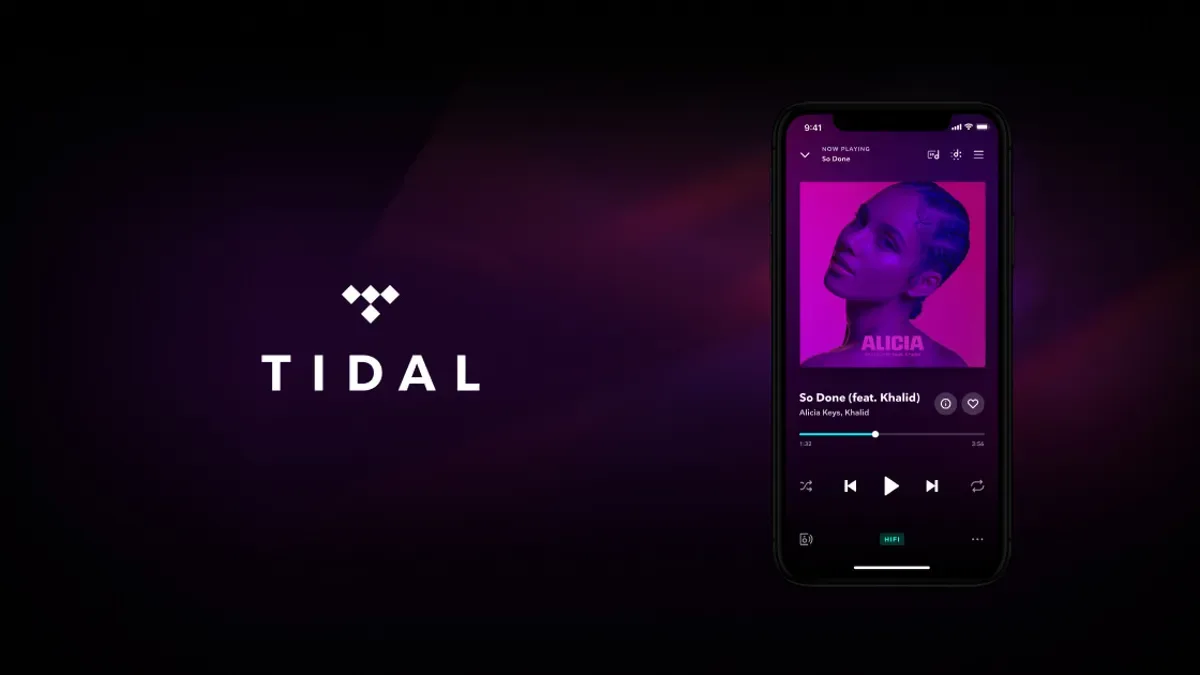
Tidal has instituted a comprehensive policy that prohibits monetization and direct sales of music created entirely by artificial intelligence. The streaming service will also label these fully AI-generated tracks to clearly notify users about their origin. This move reflects Tidal’s effort to safeguard traditional artistic creativity and prevent fully automated music from earning royalties or revenue on the platform.
In addition to blocking monetization, Tidal plans to deploy automated systems designed to detect and remove AI-generated songs that falsely impersonate existing artists. The company aims to preserve the connection between artists and their fans by ensuring that curated content on its service originates from human creativity rather than synthetic production.

Tony Gervino, Tidal’s executive vice president and editor-in-chief, emphasized that the policy is not intended to hinder technological progress but to prioritize authentic artistry. He highlighted widespread user concerns about encountering fully AI-generated music unsolicited and reaffirmed Tidal’s commitment to supporting musicians’ original work.
This initiative follows a broader industry trend as other streaming services such as Spotify, Apple Music, Deezer, Qobuz, and SoundCloud establish guidelines addressing the surge of AI-produced music on their platforms. Deezer, for instance, has implemented stringent measures that exclude AI-generated tracks from editorial playlists and recommendation algorithms. It also offers AI detection tools to users and other services, citing that nearly half of new daily uploads to its platform are AI-generated.
The emergence of AI music has sparked debate around the integrity of creative content and the rights of human artists in the digital ecosystem. Tidal’s policy represents a significant step in the industry’s response, aiming to balance innovation with fair compensation and transparency in music distribution.