

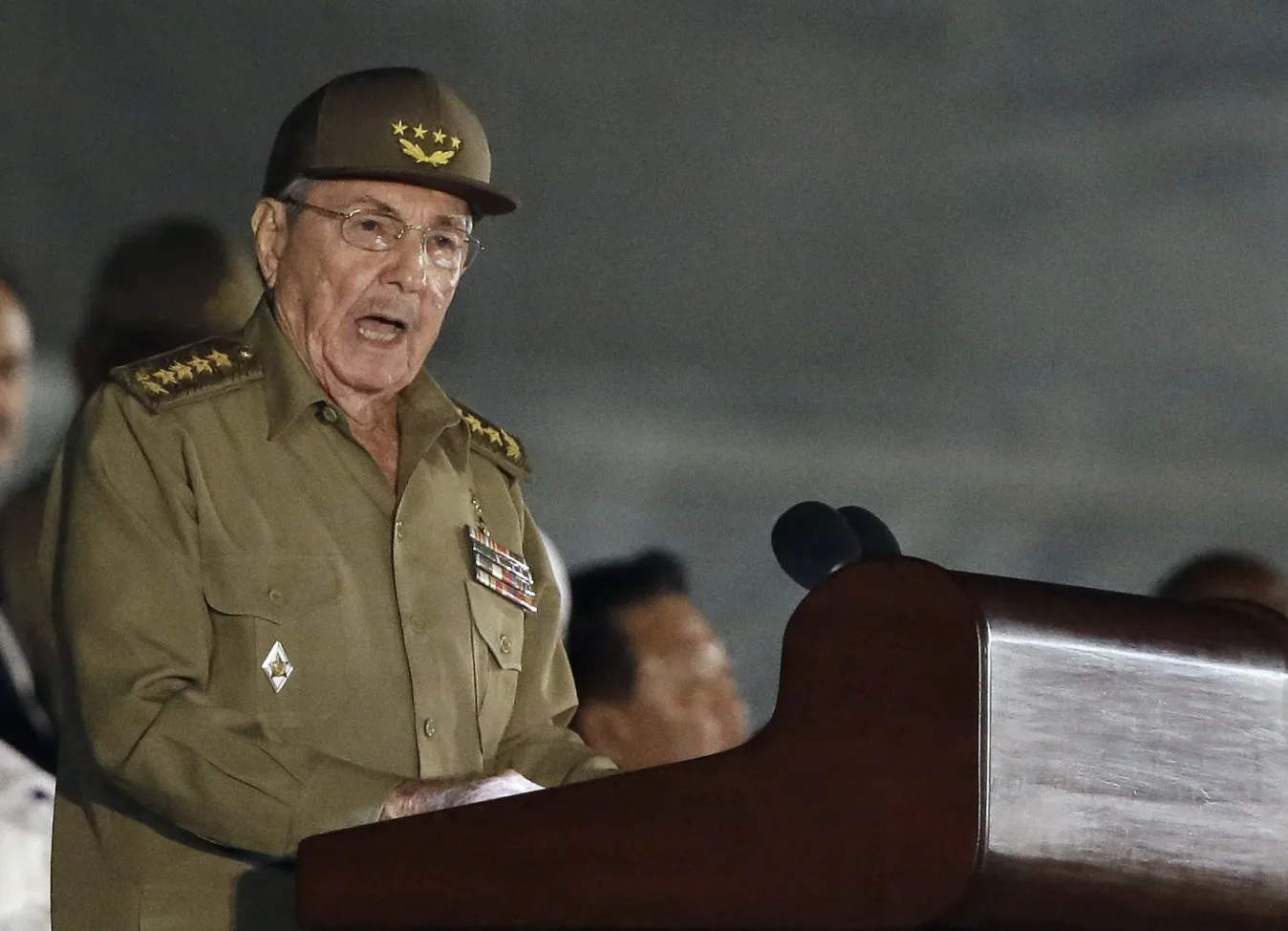
The US Department of Justice is reportedly moving toward indicting Raúl Castro for his alleged role in the 1996 shooting down of two civilian planes operated by Brothers to the Rescue, a Miami-based humanitarian group. The incident resulted in the deaths of four Cuban Americans and has long been a flashpoint in US-Cuba relations. Federal prosecutors are building a case against the 94-year-old former Cuban president as part of a larger strategy to pressure the Cuban government.
This legal action comes amid increased US efforts to force Cuba into compliance with American demands. The broader campaign, associated with the Trump administration, includes severe economic sanctions, diplomatic pressure, and threats of military intervention. Officials view the indictment as a tool to coerce Cuba’s leadership to make significant concessions.

At the time of the incident, Fidel Castro was Cuba’s president, and his brother Raúl served as Minister of the Armed Forces. The Castro government justified the attack by labeling the planes as "terrorist threats" because they flew near Cuban airspace while conducting humanitarian missions to locate emigrants crossing from Cuba to Florida.
In recent weeks, US diplomatic efforts have intensified. The State Department unveiled fresh sanctions targeting foreign companies that do business with Cuba, signaling a crackdown on Cuba’s economic ties abroad. Simultaneously, the US offered substantial humanitarian aid conditioned on Cuba implementing "meaningful" reforms. These negotiations underscore America’s dual approach of pressure and incentives.
The CIA’s involvement in this escalation was highlighted by the recent visit of CIA Director John Ratcliffe to Havana. According to US officials, the visit conveyed a stern warning that Cuba must act quickly to change its course or face consequences comparable to those imposed on Venezuela’s Nicolás Maduro regime.
President Donald Trump declined to comment directly on the indictment, framing it as a matter for the Justice Department. He characterized Cuba as a country in decline, hinting at the administration’s intention to apply continued pressure to prompt political and economic transformation.