

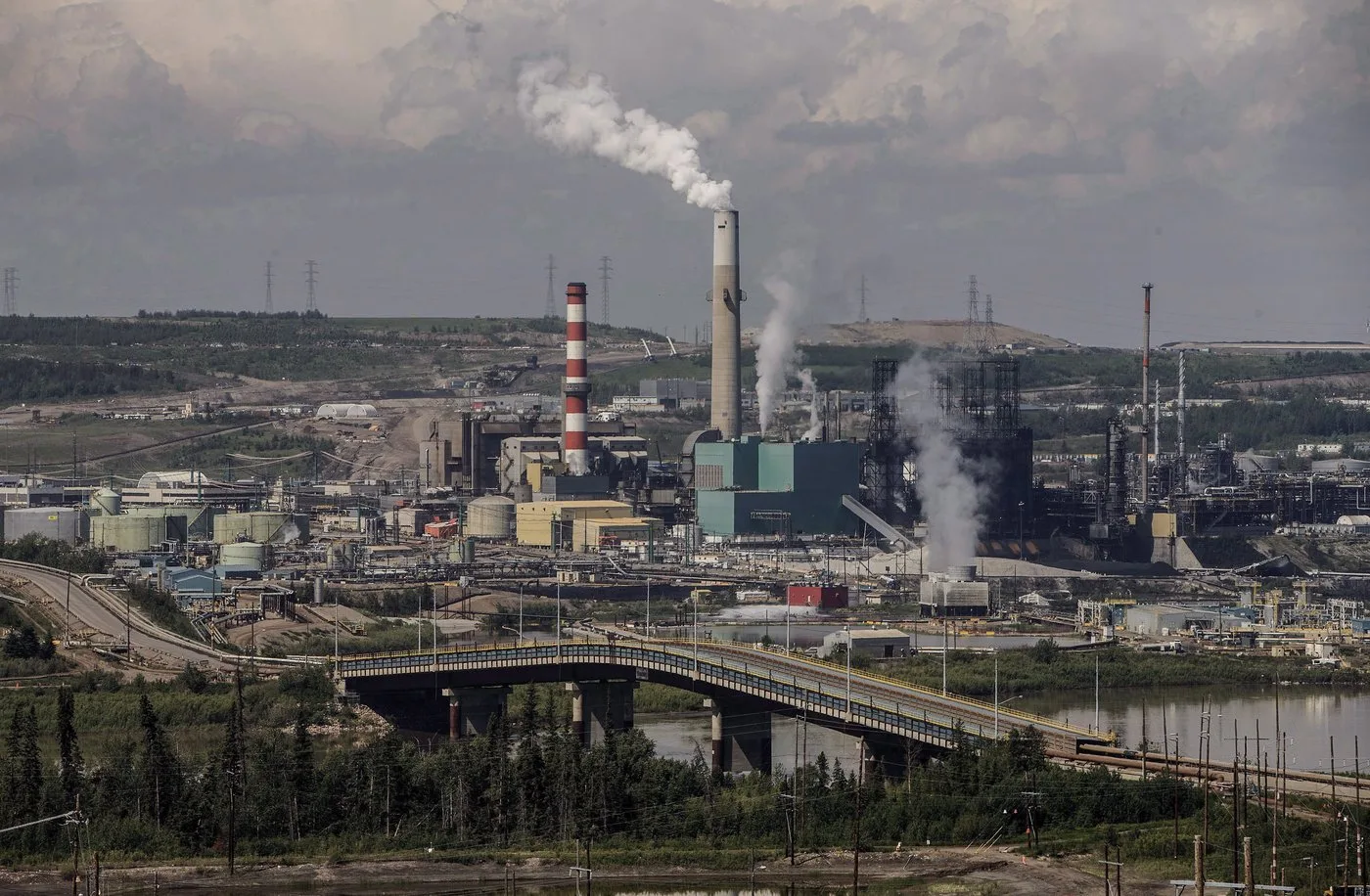
Alberta and the federal government have reached a detailed agreement to reform the province’s carbon pricing system, addressing longstanding challenges that have kept the effective cost of emissions low despite high headline prices. Their plan aims to increase the true economic incentive for industrial polluters by targeting an effective carbon price of $130 per tonne by 2040 through phased increases and establishing a price floor for carbon credits.
Since nearly two decades, Alberta’s carbon pricing has centered on the Technology Innovation and Emissions Reduction (TIER) program, which sets performance benchmarks for industrial facilities emitting over 100,000 tonnes annually. Under this system, companies can generate credits by reducing emissions below their limits or must buy credits, invest in cleaner technology, or contribute to a provincial fund. However, an oversupply of credits has suppressed prices in the market to less than half of the official $95 per tonne rate, diluting the program’s effectiveness in driving emission cuts.

The revised strategy combines a gradual rise in the benchmark carbon price alongside a floor price for credits, ensuring the “effective” price stays within a band that incentivizes meaningful emissions reductions without undercutting industry competitiveness. Alberta estimates this approach will save industry roughly $250 billion by 2050 compared to the federal backstop rule, which would mandate a higher $170 per tonne price by 2030.
A key innovation in the agreement involves offering “carbon contracts for difference” between 2030 and 2040 to companies investing in emissions reduction projects. These contracts function as a risk management tool, guaranteeing payments that cover the gap if federal or provincial carbon policies are repealed or altered. This mechanism aims to assure investors their green projects will remain financially viable, safeguarding long-term climate commitments.
The pact signals a closer federal-provincial collaboration to align carbon pricing frameworks that balance environmental goals and economic realities. By stabilizing the market and increasing the costs associated with pollution, Alberta and Ottawa seek to sustain progress toward net-zero ambitions while providing industries with transparent, predictable compliance conditions.