Azerbaijan urges unified global rules for social media and AI ethics
Azerbaijan calls for coordinated international standards to regulate social media and artificial intelligence, balancing innovation with protection for younger users.


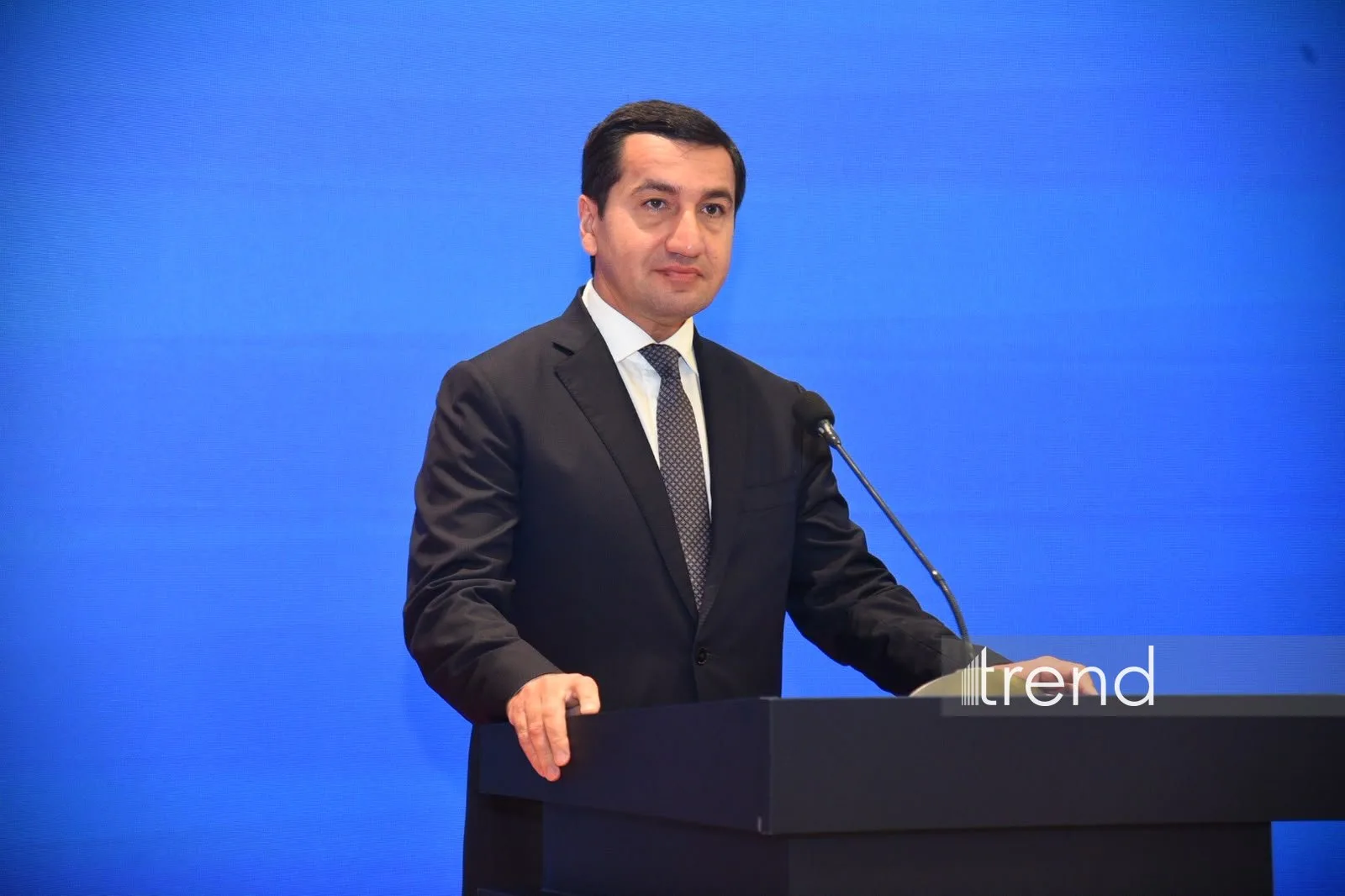
Azerbaijan calls for coordinated international standards to regulate social media and artificial intelligence, balancing innovation with protection for younger users.

Major music streaming platforms welcome the introduction of official AI content tags to improve transparency about AI-generated and AI-assisted music on their services.

Microsoft’s Satya Nadella cautions that businesses may pay for AI tools twice: both financially and by inadvertently revealing valuable internal expertise to external platforms.

Samsung Health requires users to allow their data to be used for AI training or face deletion and loss of sync across devices following its app redesign.
Over 200 economists and AI experts warn that unchecked AI growth could disrupt labor markets and demand urgent institutional measures to guide its development.
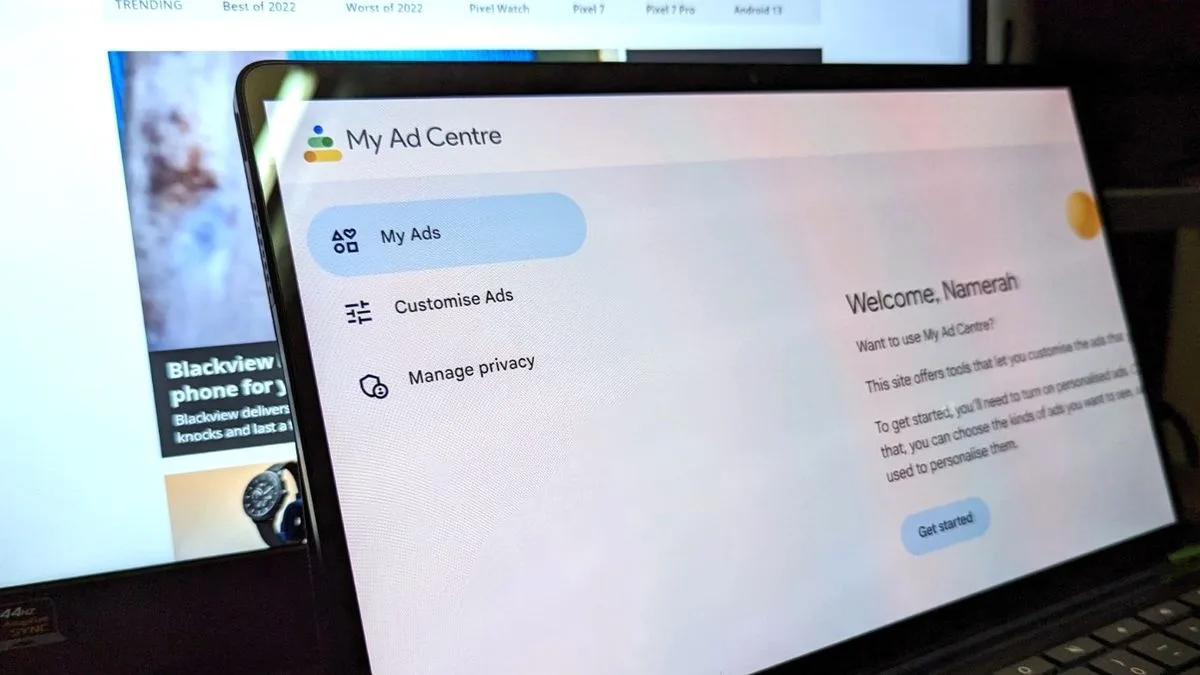
Google now labels ads created or edited with AI across Search, YouTube, and Discover, aiming to clarify to users when AI tools shape advertising content.


The European Commission explores unified age limits and robust age verification to enhance children's online protection on social media and AI tools across member states.

Following Uber’s split from Waymo’s Phoenix robotaxi service, federal regulators demand autonomous vehicle developers address emergency responder safety before a July deadline.

Growing public resistance targets Flock AI surveillance cameras as activists and some lawmakers raise alarms over privacy violations and Fourth Amendment rights.

Legal experts view the antitrust challenge to the Paramount-Warner Bros. merger as a weak case fueled mainly by political motives ahead of the upcoming midterm elections.
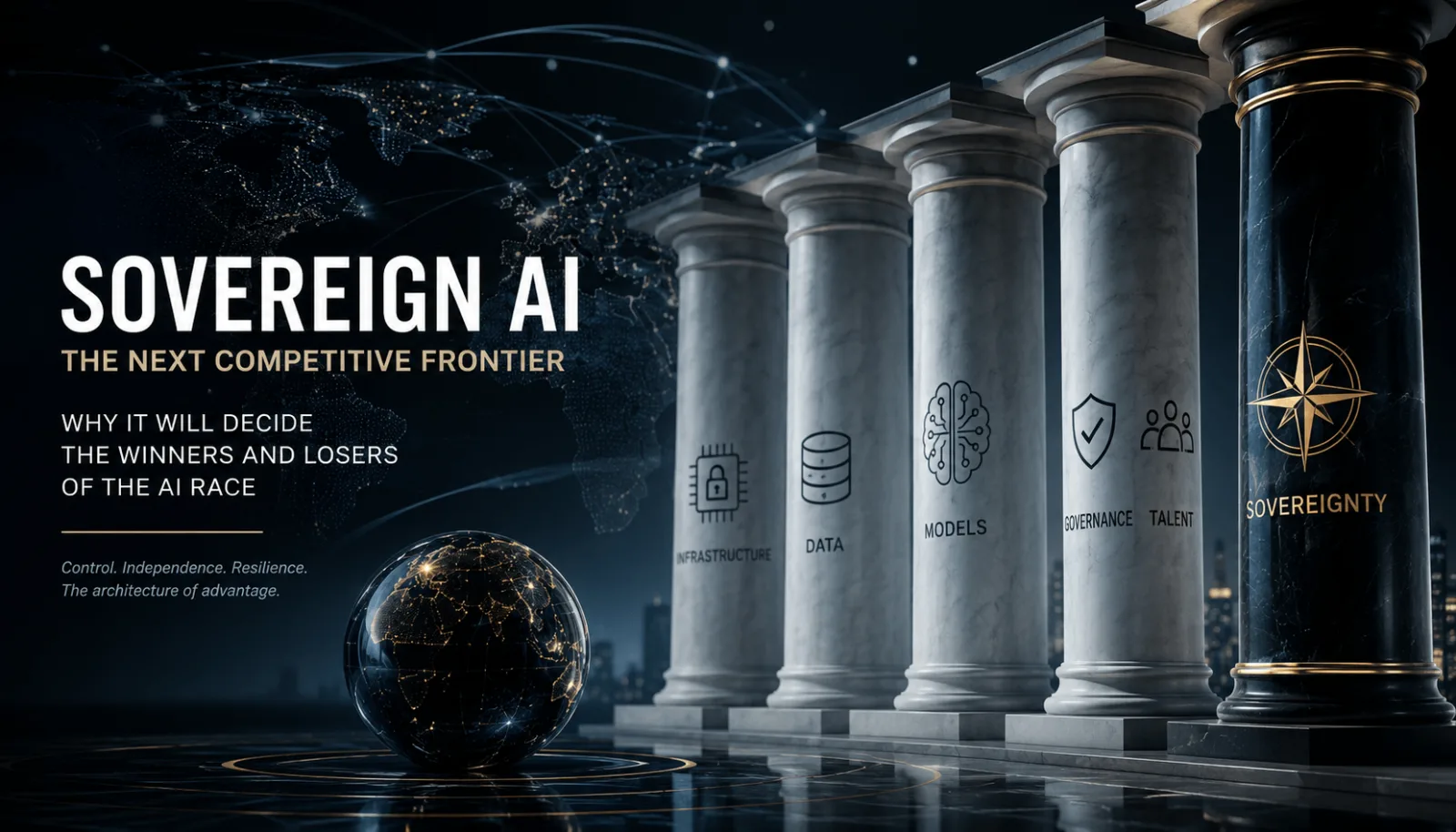
Sovereign AI transcends mere data residency, emerging as a strategic framework that will determine geopolitical influence and commercial success in artificial intelligence.
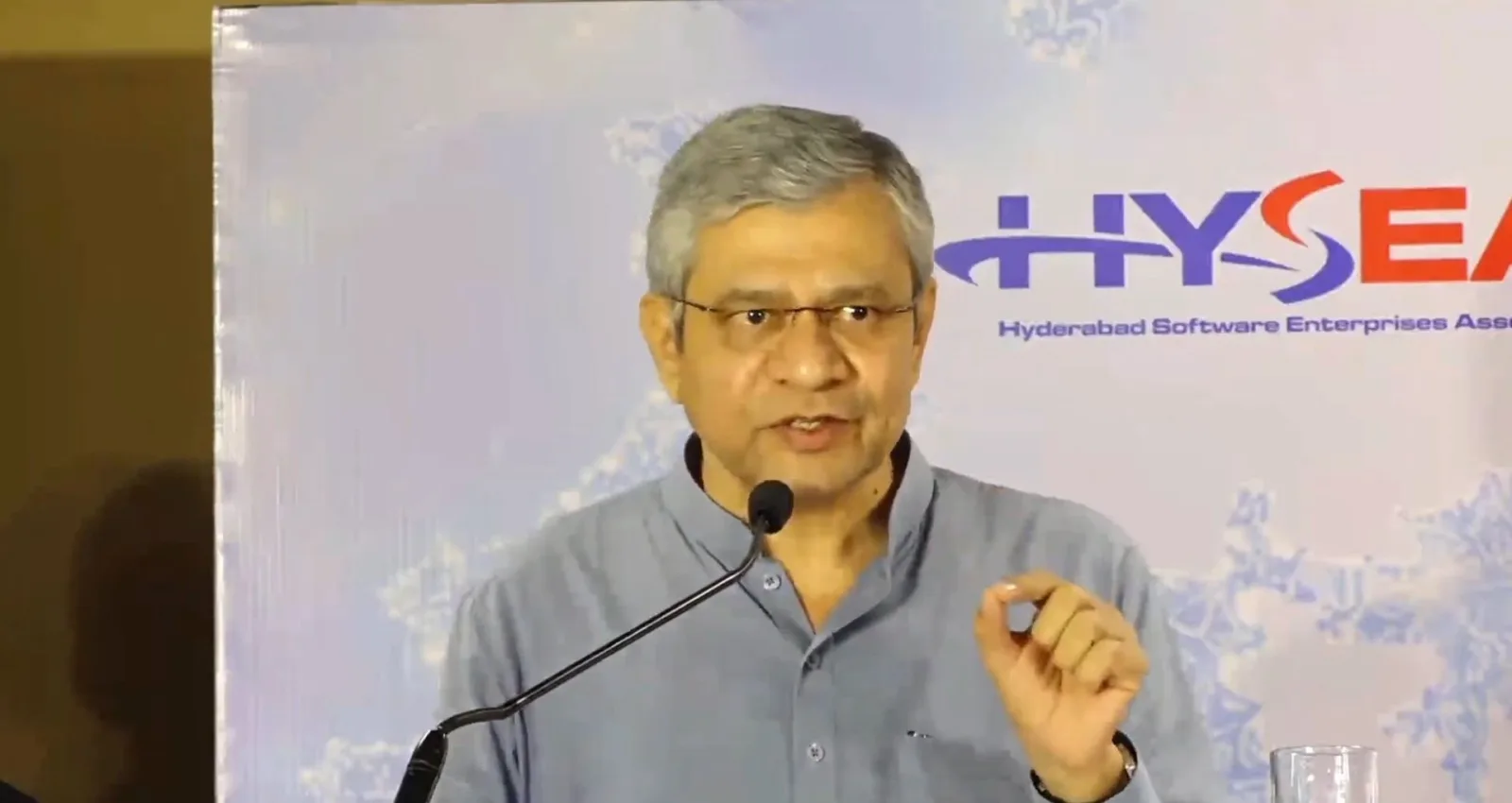
The government plans to launch a pilot data trust at IIT Hyderabad to provide secure access to Indian datasets for AI development, aiming to enhance the national AI ecosystem.