

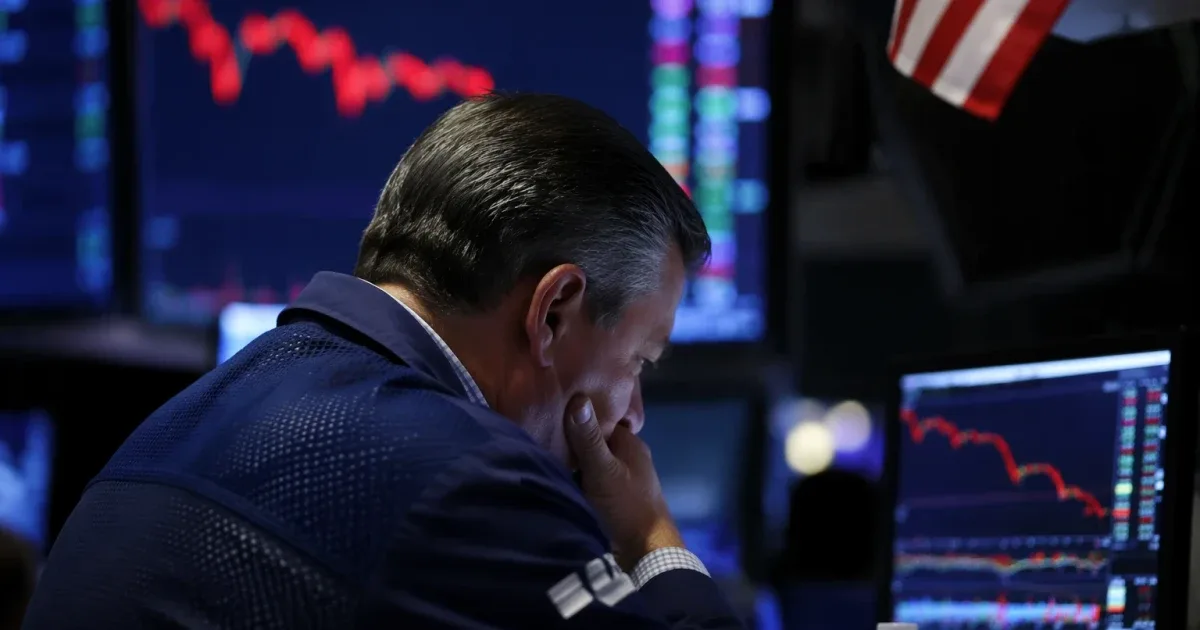
The recent decline in semiconductor stocks pulled key U.S. indexes to their lowest levels in over a week, highlighting the fragility of the technology sector's rally fueled by artificial intelligence (AI). Despite strong year-to-date gains for the Nasdaq and S&P 500, investors are now closely scrutinizing the ability of major tech companies to translate massive capital spending into sustained profits.
Market momentum sparked by AI-driven investments faces a test as semiconductor shares dropped sharply, with the Philadelphia Semiconductor Index falling nearly 8%. This selloff caused the S&P 500’s information technology sector to give up significant ground, emphasizing the sector’s vulnerability to shifts in investor sentiment. The S&P 500 remains up about 8% for the year, while the Nasdaq Composite has gained approximately 11%, but these figures mask growing concerns over upcoming corporate earnings announcements and Federal Reserve actions.

A central force behind the rally has been an extraordinary capital expenditure spree by leading tech giants such as Microsoft, Alphabet, and Amazon. Analysts estimate these firms will invest roughly $730 billion collectively by 2026 to expand AI-related infrastructure, including data centers and chip production. However, some market strategists warn that this level of investment is already priced into stocks, placing pressure on these companies to demonstrate tangible revenue and profit growth from their outlays.
Alphabet, for example, recently proposed and increased a significant equity capital raise, signaling its commitment to aggressive expansion. Yet, with current valuations near historical averages—Goldman Sachs noted the S&P 500 trades at about 21 times earnings, just below the January peak of 22 times—investors have little margin for disappointment. Analysts forecast moderate earnings growth in the coming years, underscoring the need for clear, positive quarterly results, especially from the largest technology firms.
The Federal Reserve’s monetary stance adds another critical dynamic to the market’s outlook. The Federal Open Market Committee recently maintained the federal funds rate target in a unanimous vote, but investors remain vigilant for any signs of tightening that could dampen growth prospects. The interplay between earnings, AI sector returns, and Fed policy developments will likely dictate whether the tech-driven rally can sustain its momentum or face renewed headwinds.