

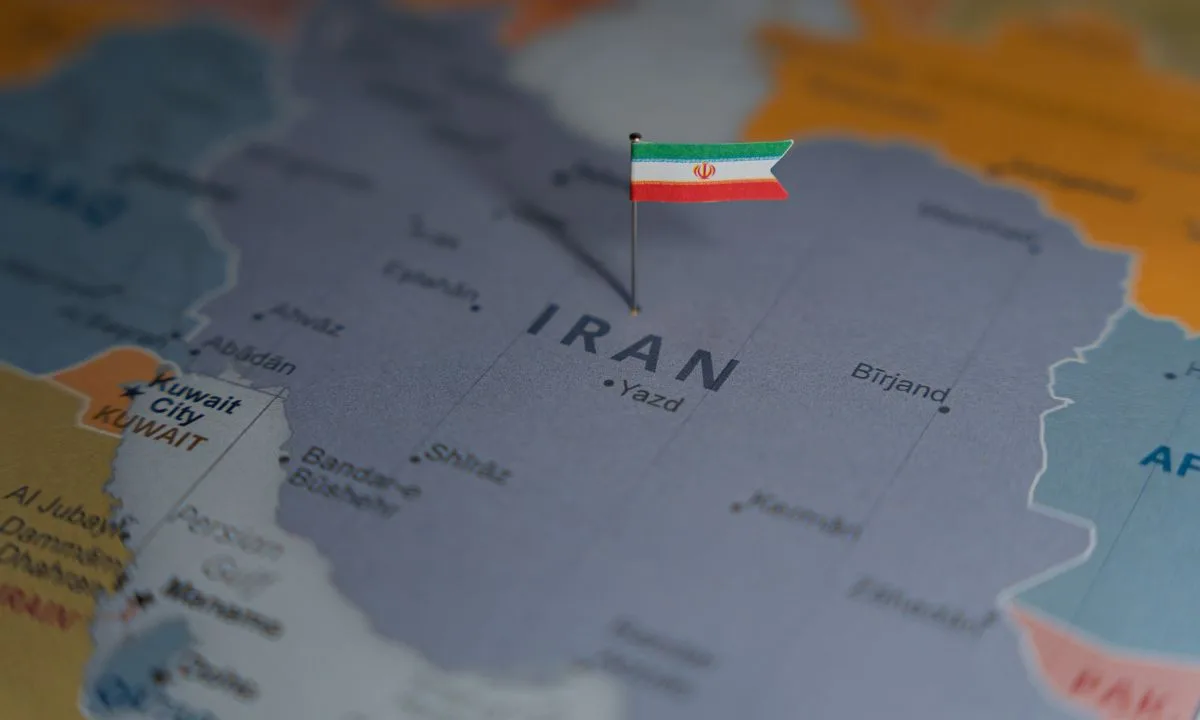
The U.S. government's effort to reverse decades of sanctions on Iran has created a complex compliance dilemma for financial institutions. Recent agreements aim to release billions in previously frozen Iranian assets and reopen Iranian oil sales, but banks struggle with the uncertainty of new rules and risk management.
A memorandum of understanding signed earlier this month sets a timeline for lifting all U.S. sanctions on Iran, alongside Treasury-issued 60-day waivers on existing restrictions during ongoing technical negotiations. This phased approach complicates banks’ ability to confidently process transactions, especially those wary of sanctions-related penalties.

Former Treasury officials and legal experts highlight banks’ natural caution in this environment. Financial institutions tend to adopt a more conservative stance than their clients when sanctions ease. Past experiences, such as BNP Paribas’s substantial penalty in 2014 for violating Iran sanctions, contribute to this hesitancy.
Industry observers expect banks to approach transaction compliance meticulously, as premature or inadvertent violations could result in severe financial and reputational damage. Even short-term waivers require intricate risk assessments and coordination among intermediaries to ensure full compliance.
In parallel, advancements in artificial intelligence (AI) are beginning to reshape compliance operations. Agentic AI systems that autonomously evaluate and execute workflows offer new possibilities beyond simply increasing efficiency. These technologies integrate context from multiple data sources, potentially transforming how institutions monitor sanction adherence and flag suspicious activities.
Experts in AI-driven compliance caution against viewing these systems merely as tools to reduce headcount. Instead, they emphasize the broader impact on compliance architecture, enabling deeper, more adaptive risk management as regulatory landscapes evolve.