

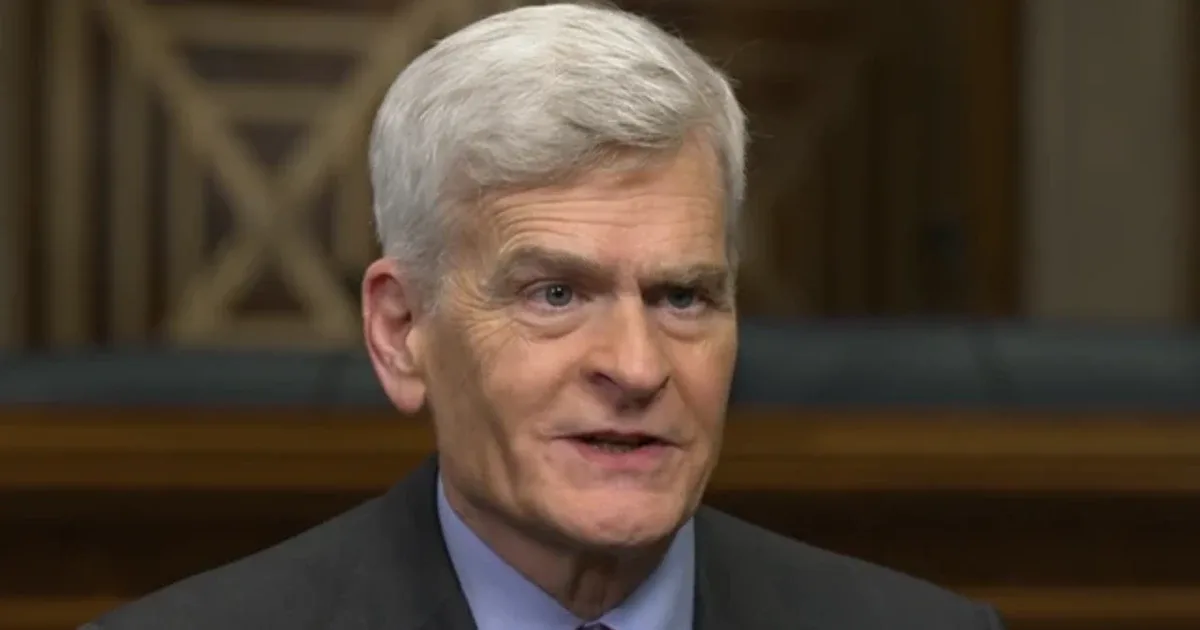
Senator Bill Cassidy reversed his stance on a critical Senate war powers resolution addressing U.S. military involvement in Iran after receiving a White House briefing. Originally signaling support for the resolution, Cassidy shifted his vote following direct engagement from the executive branch, reducing Senate opposition to President Trump’s Iran approach.
The resolution, which passed narrowly in late June, sought to direct the withdrawal of U.S. forces from hostilities involving Iran, marking a rare assertion of congressional authority to challenge presidential war powers. Cassidy had initially voted in favor due to a lack of briefing but reconsidered after the White House provided additional information. He communicated to fellow Senator Steve Witkoff that his vote depended on being properly briefed, indicating the importance of executive-legislative communication in this contentious debate.

Cassidy’s vote change came amid visible divisions within the Senate Republican caucus. Following a tense closed-door lunch with President Trump, during which Cassidy admitted to losing his temper, several Republicans who had initially supported the resolution retreated, reflecting deep fractures over congressional oversight of war powers versus executive prerogative. This split highlights the ongoing struggle in Congress to balance institutional checks on the president’s authority with political loyalties to the administration.
Further complicating the landscape, multiple war powers resolutions concerning Iran have circulated through Congress since 2026, including S. J. Res. 104 and S. J. Res. 118. These efforts indicate lawmakers are actively exploring ways to constrain unilateral military actions without formal war authorizations, signaling continuing legislative attempts to reassert influence over foreign military engagements.
The June reversal also underscored how quickly political coalitions can shift once the White House intensifies outreach to key senators. Cassidy’s account, shared during a June interview, has become a focal point in public understanding of the war powers debate, illustrating how executive briefings can sway critical votes and shape congressional rebukes of presidential military decisions.