

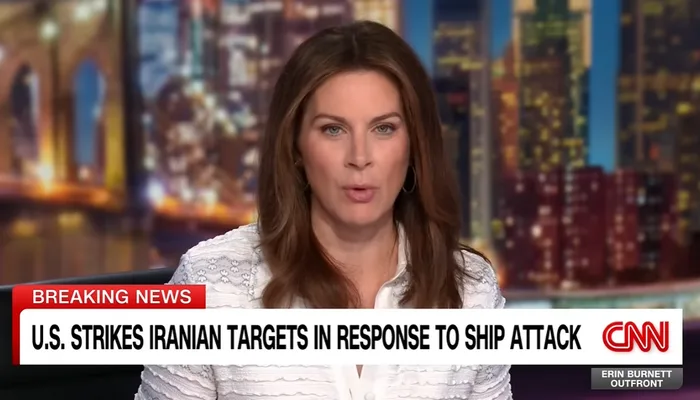
CNN’s recent economic coverage indicates the worst phase of inflation driven by geopolitical tensions around the Iran conflict could be behind the U.S. economy. After months of dire warnings about spiking oil prices disrupting global markets, CNN Business reported that inflation, although still elevated, showed signs of slowing, challenging previous expectations about persistent price surges.
In a notable shift, CNN’s economics reporter Elisabeth Buchwald highlighted that while headline inflation exceeded 4% in May, core inflation— which excludes volatile food and energy prices—rose only slightly. This signals a moderation in underlying inflation pressures, contrasting with earlier narratives predicting chronic inflation shocks linked to instability in the Strait of Hormuz and ensuing war jitters.

This development counters CNN’s prior forecasts that oil prices would remain near historic highs for years. Oil benchmarks like West Texas Intermediate and Brent crude currently hover around $70 per barrel, well below the alarmist projections once featured on the network, including an April headline entertaining the possibility of $200 oil. Buchwald’s March coverage shifted blame for potential inflation spikes from trade tariffs to the Middle East conflict, a narrative now undermined as energy prices stabilize.
Alongside easing price pressures, economic indicators showed resilience: consumer spending and incomes exceeded expectations, personal savings increased modestly after months of decline, and U.S. gross domestic product growth was revised upward. These factors paint a more balanced portrait of the economy than the earlier CNN focus on inflation risks tied to geopolitical crises.
This recalibration by CNN illustrates how media-driven inflation narratives can exaggerate short-term volatility without aligning fully with evolving economic realities. It also underscores that while inflation remains a challenge, the immediate inflationary surge linked to the Iran war appears less threatening than once feared.