

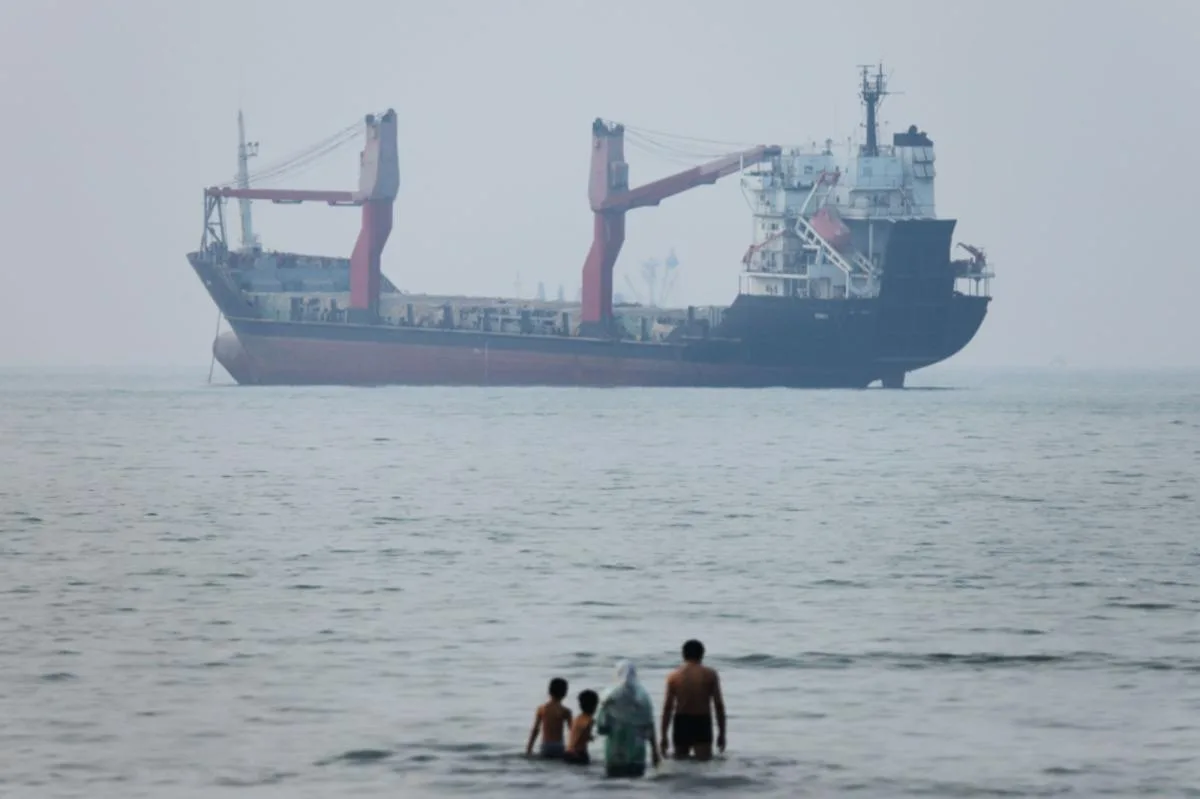
Iran has firmly stated that it will be the sole party responsible for clearing mines from the Strait of Hormuz, refusing to permit any other nation to assist in the effort. This declaration comes amid growing international concern over maritime security in one of the world’s most strategic oil transit chokepoints.
The announcement from Iran’s foreign ministry followed comments from French President Emmanuel Macron, who revealed France had agreed with Oman to help clear mines in the strait as part of a coalition with allied countries. In response, Iran’s representative strongly warned France to avoid aggravating the situation with provocative actions, emphasizing the complexity and sensitivity surrounding the issue.

Despite the Iranian government’s claim of exclusive control over the demining operation, experts have cast doubt on Tehran’s capacity to carry out such a large-scale and technically demanding task. Analysts pointed out that Iran lacks both the necessary experience and advanced technology to efficiently detect and remove underwater mines in the hazardous waters of the strait.
The Strait of Hormuz, a critical maritime passage linking the Persian Gulf to the Arabian Sea, remains vulnerable to security threats, impacting global oil flow and regional stability. The United States and other countries have previously asserted that Iran should assume responsibility for clearing the strait to ensure safe navigation, as stated in a memorandum of understanding. Still, Tehran’s rejection of international assistance raises concerns over the pace and efficacy of clearing efforts.
Recent tensions and violent incidents in the region have further complicated the security environment. Shipping traffic through the strait has sharply decreased due to uncertainty and fears of maritime attacks, underlining the urgent need for demining and stabilization in the area.