

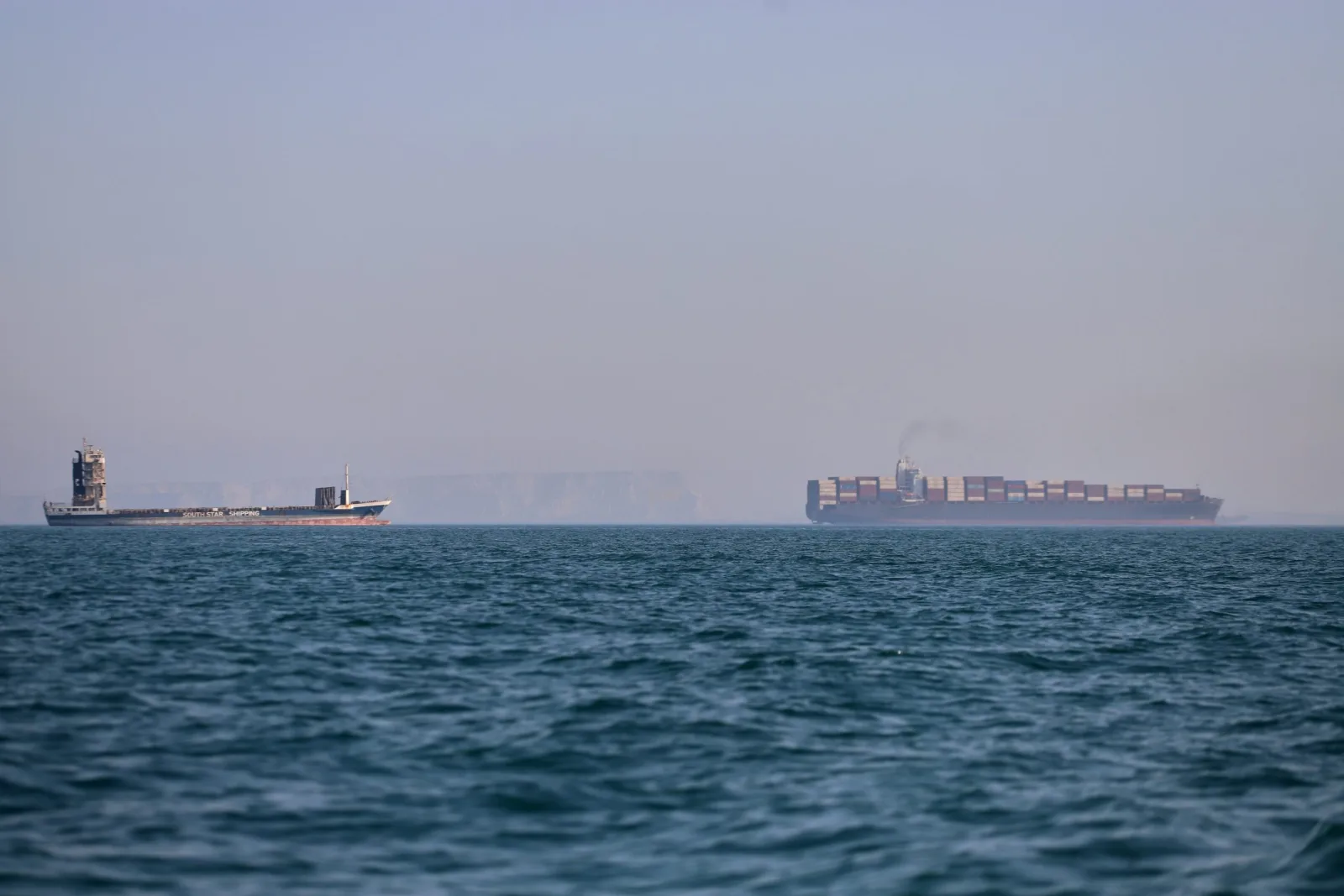
The Strait of Hormuz remains a critical flashpoint in U.S.-Iran relations, as Iran’s control over this vital waterway continues to influence global economic stability and security dynamics. Despite diplomatic efforts, tensions persist with the expiration of the 60-day Memorandum of Understanding between the two nations, raising concerns about increased hostility and unchecked Iranian military capabilities.
While Washington has issued stern warnings threatening Iran’s existence, the reality is that Iran’s geographic position grants it significant leverage over global oil supply routes. This strategic advantage effectively functions as an unspoken nuclear deterrent, complicating U.S. policy options and international negotiations. The partial lifting of sanctions from previous agreements allowed Iran access to substantial funds, which critics argue have been used to enhance its defensive and missile programs.

Historical insight into the Iran nuclear deal, formally known as the Joint Comprehensive Plan of Action (JCPOA), reveals complexities beyond its public reception. Interviews with former Israeli intelligence officials showed mixed feelings: although they criticized the former U.S. administration for its negotiation style, many acknowledged the deal’s effectiveness in curbing Iran’s enriched uranium stockpiles and enabling rigorous inspections.
The cancellation of the JCPOA in 2018 by the U.S. and Israel is now widely regarded by some analysts as a strategic misstep, having dismantled a framework that constrained Iran’s nuclear ambitions. Experts like Gary Sick, a former National Security Council member, highlight Iran’s sophisticated diplomacy, likening its approach to playing chess, reflecting long-term calculation and strategic depth. Iran’s aptitude for negotiation and leverage-building indicates it will continue to navigate around external pressure to maintain its regional influence.
The broader diplomatic landscape remains fragile. The expiration of current agreements without immediate replacements increases risks of escalation and diminishes opportunities for renewed international oversight over Iran’s nuclear activities. However, some analysts suggest a basis still exists for future deals, grounded in the verification structures previously agreed upon, though political obstacles remain formidable.