

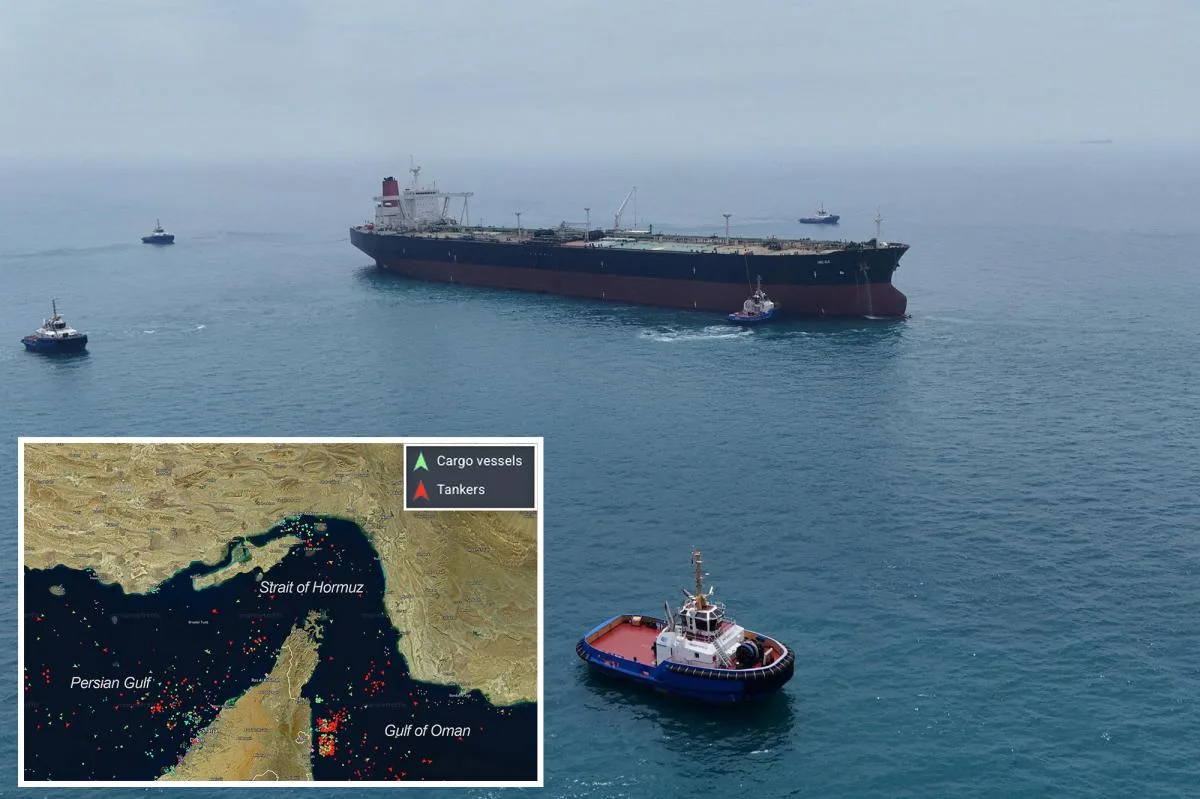
Oman and Iran have agreed to pursue a plan that would impose voluntary fees on vessels navigating the Strait of Hormuz, a critical passageway responsible for transporting about one-fifth of the world’s oil supply. This marks a significant shift in regional policy, as the strait has traditionally been free for international shipping.
Oman, a US ally, initially opposed the idea of tolls in the strait but recently delivered a formal proposal to Washington and other allied nations outlining the fee system. Their plan takes inspiration from voluntary contributions collected in the Straits of Malacca and Singapore, where fees fund navigational safety and environmental protection measures. According to Oman’s Foreign Minister Badr al-Busaidi, these fees would cover services such as improving navigation safety, pollution control, and emergency response readiness.

Nevertheless, Iranian officials have insisted that payments would be mandatory, contrasting with Oman’s portrayal of the fees as voluntary. The economic implications differ sharply as well: while the Straits of Malacca fund generated around $23 million over 15 years, Iran projects that tolls in Hormuz could yield up to $40 billion annually. The contrasting figures underscore the strategic and financial stakes tied to controlling this vital chokepoint.
This joint initiative follows a recent statement from Tehran and Muscat acknowledging the possibility of collecting fees, despite public US objections. The Trump administration has consistently rejected any toll scheme in the Strait of Hormuz, asserting that the waters must remain free for passage. President Trump labeled any toll proposals as "unacceptable" and warned Oman against deviating from the principle of open navigation.
The Strait of Hormuz is a flashpoint amid broader US-Iran tensions, with reduced vessel traffic reflecting geopolitical strains. If adopted, the plan could reshape regional maritime security and economic dynamics, challenging long-established norms of transit through one of the world’s most strategically sensitive waterways.