

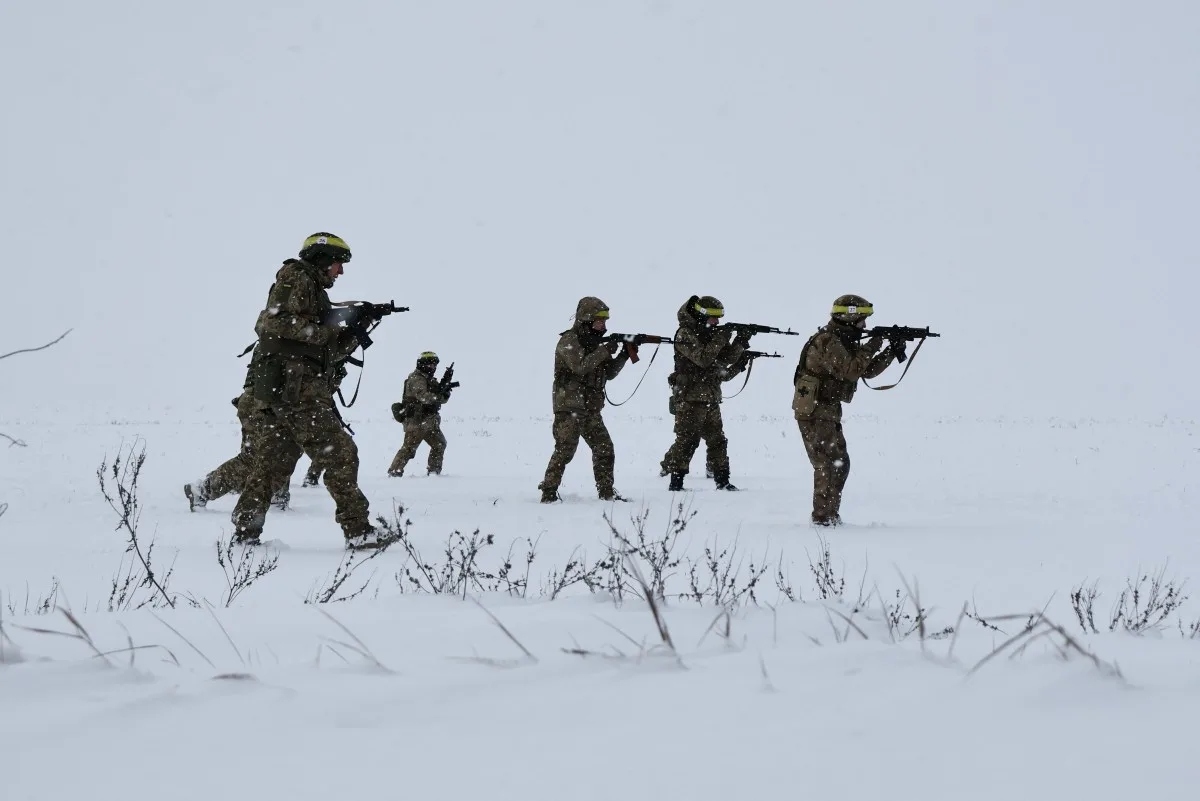
The Russia–Ukraine conflict recently surpassed the length of World War I, marking a historic milestone as the longest sustained military confrontation in Europe since World War II. This development challenges initial Western assumptions that comprehensive economic sanctions alone could quickly force Russia to halt its military actions.
When the war began in early 2022, Western governments implemented what they termed a "financial nuclear option," including the freezing of roughly $300 billion in Russian central bank reserves and disconnecting major Russian banks from the SWIFT system. These measures sought to exploit Russia’s reliance on global finance and energy exports. The European Union proceeded with phased embargoes on Russian oil and gas, while the G7 set a price cap on Russian crude. Additional export controls targeted critical sectors such as semiconductors and aerospace components, aiming to degrade Russia’s military manufacturing capabilities.

Despite this unprecedented economic blockade, comprising over 16,000 restrictive measures from more than thirty countries, Russia’s economy showed unexpected resilience. After a modest contraction in 2022, its GDP rebounded strongly in subsequent years before slowing in 2025 due to tightened monetary policy. Meanwhile, defense production surged, unemployment dropped, and frontlines remained largely static.
Russia achieved this endurance through several adaptive strategies. The isolation from Western finance and technology was offset by maintaining economic relations with select non-Western countries. Internal adjustments included boosting domestic production and sustaining workforce participation under shifting economic conditions. The sanctions imposed real costs but failed to coerce Russia into terminating its military campaign.
This outcome underlines a crucial distinction: sanctions can hinder an economy but do not necessarily compel policy changes if the targeted state is willing to absorb hardship and has alternative commercial partners. The resilience displayed by Russia complicates the narrative that financial pressure alone can swiftly resolve major geopolitical conflicts involving nuclear-armed powers.