

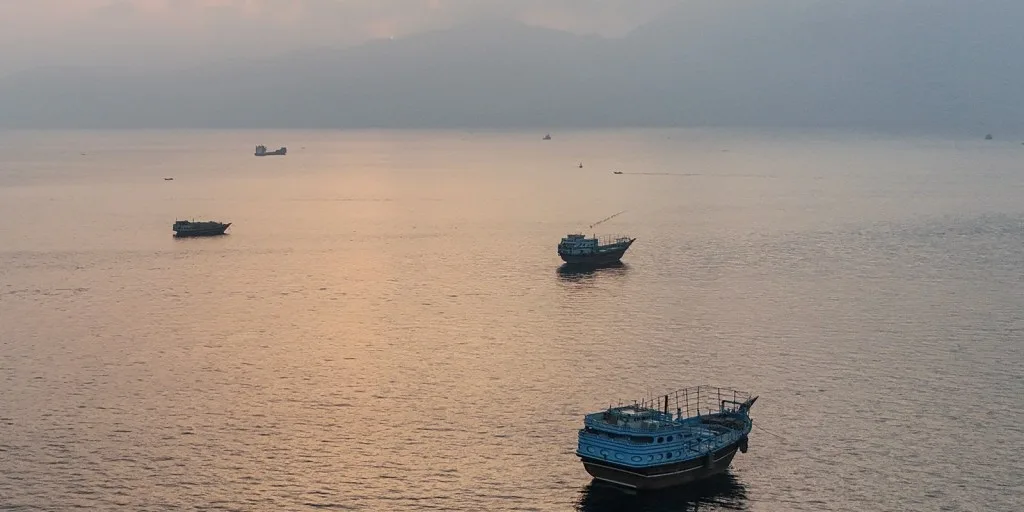
The fragile calm between the United States and Iran shattered over the weekend, with both nations launching attacks that underscored a shifting dynamic in their long-running conflict. Less than two weeks after signing a memorandum of understanding (MOU) intended to halt hostilities, Iran fired on a vessel crossing the Strait of Hormuz, prompting U.S. retaliatory strikes on Iranian missile and drone sites. Both sides claimed their actions were responses to violations of the ceasefire, deepening uncertainty about the stability of the agreement.
This escalation signals a critical new phase in the confrontation: the struggle over control of the Strait of Hormuz. The waterway’s strategic importance is undisputed; it serves as a key maritime chokepoint through which a substantial portion of the world’s oil shipments pass. The core dispute now hinges on whether Iran can assert sovereign control over the strait and impose fees on transit vessels or if the United States can restore the pre-conflict status quo that allows free passage without Iranian interference.

The MOU, which nominally aims to regulate traffic and maintain peace, leaves crucial questions around sovereignty and control deliberately vague. Iran’s Foreign Minister maintains that the agreement grants Tehran full responsibility for managing the strait, whereas the U.S. insists it will not tolerate what it describes as Iran's “illegal control” of what has traditionally been regarded as an international waterway. The text of the MOU itself neither explicitly grants nor denies Iran sovereignty over the strait, and it defers major decisions to future negotiations between Iran and Oman on maritime administration.
Professionals in diplomacy typically demand clear definitions on such matters, particularly when balancing coastal sovereignty against international navigation rights. Yet, the U.S. negotiating team behind the MOU, led by officials lacking extensive diplomatic experience, settled for ambiguous language. This approach effectively turned the MOU into a framework that postpones significant disputes rather than resolving them—setting the stage for ongoing tensions over Hormuz.
Iran refers to control of the Strait of Hormuz as a key victory stemming from its resilience against prior U.S. and Israeli military pressure. The country now treats stewardship of the waterway as a strategic asset and a symbol of national sovereignty. Meanwhile, the U.S. views the strait as a global commons that must remain open to all commercial and military traffic, rejecting any unilateral claims by Iran to regulate or levy fees for passage.
The recent cancellation of a planned U.S.-Iran meeting in Qatar reflects the growing distrust and reluctance to engage. However, the White House has since indicated that future negotiations may still take place, suggesting that diplomatic efforts, while strained, are not entirely off the table. For now, this neither amounts to the resumption of full-scale war nor true peace—it is a tense, unresolved struggle for influence and control in a geo-strategically vital corridor with far-reaching implications for regional and global security.