

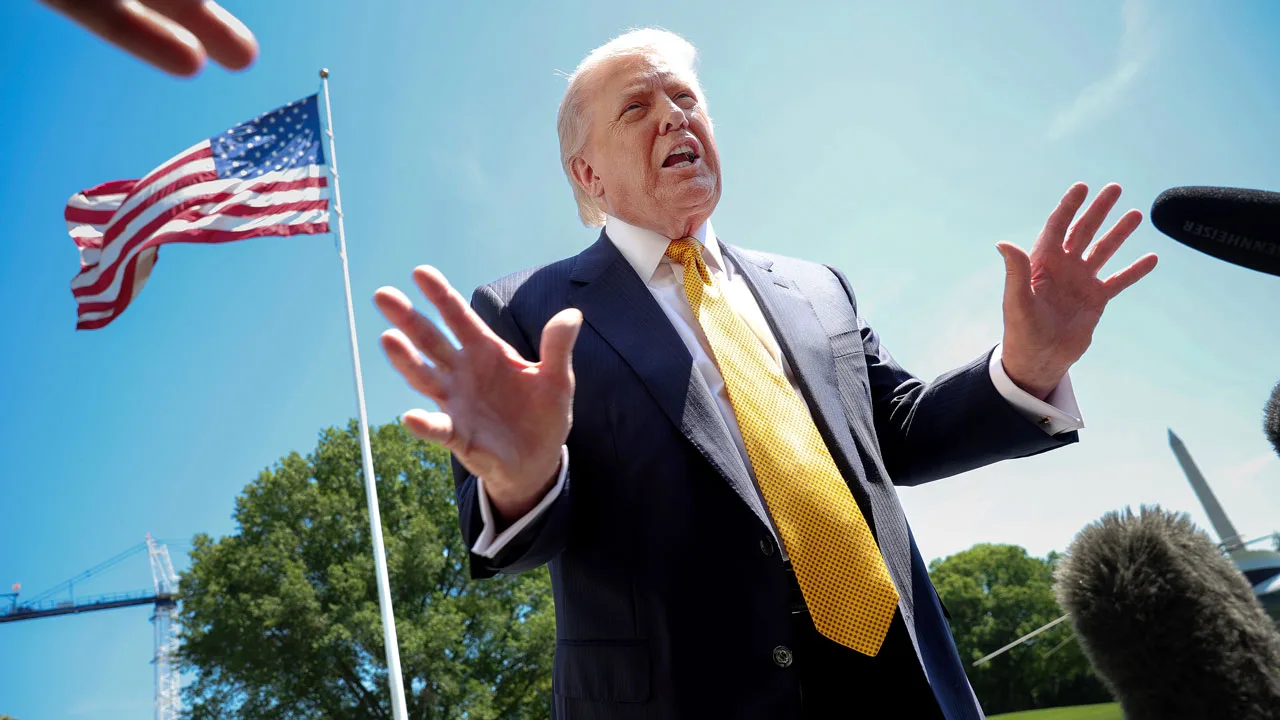
The memorandum of understanding signed under President Donald Trump initiated a 60-day halt in military actions against Iran, intended to open the door for further negotiations. This pause has drawn criticism from multiple sides, with some arguing it was overly generous to Iran despite the recent military confrontations. However, this ceasefire reflects a complex strategic calculation beyond immediate battlefield outcomes.
Although Iran faced significant military pressure, they were not decisively defeated, as no clear solution emerged to fully neutralize their missile capabilities or their control over the Strait of Hormuz—a crucial global oil transit point. The cessation in combat was partially driven by concerns over economic repercussions worldwide, including surging oil prices that threatened to destabilize European and Asian economies as well as U.S. gasoline prices.

Domestic political considerations also played a pivotal role. Trump’s administration viewed maintaining Republican control in upcoming elections as essential to avoid legislative obstruction, investigations, and impeachment attempts that could hinder his presidency. This political calculus influenced the decision to pursue a negotiated pause rather than prolonged conflict.
Criticism comes from varied quarters: some on the political left oppose any military engagement, viewing the ceasefire as insufficient but inevitable, while certain right-wing voices claim the war was unnecessary and unduly influenced by foreign interests. Meanwhile, backers of continued military pressure express concern that the memorandum allows Iran to exploit the truce, especially as recent incidents involving Iranian drones targeting commercial vessels have violated the agreement’s terms.
Despite these tensions, the memorandum’s underlying intent remains to prevent Iran from acquiring nuclear weapons and to curb its regional destabilization—objectives seen as critical to global security and the stability of energy supplies.