

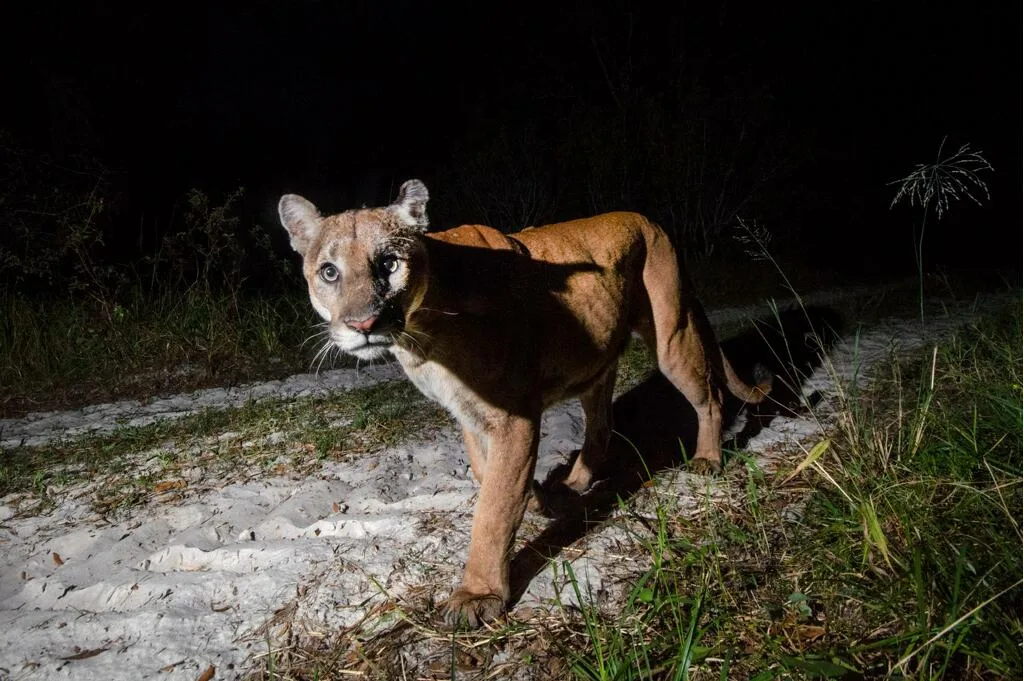
Contrary to long-standing scientific expectations, many species are not shifting their ranges uniformly toward cooler climates as global temperatures rise. While ecologists anticipated consistent northward or upslope movements in response to warming, new studies show that only about half of observed species range shifts align with these predictions, revealing more complex behavioral patterns driven by factors beyond temperature alone.
A comprehensive review of thousands of documented range changes across more than 12,000 terrestrial and marine species found that less than half moved toward higher latitudes, elevations, or deeper waters—habitats typically associated with cooler environments. Numerous species have remained stationary or moved in unexpected directions, such as toward warmer areas or downslope, defying earlier climate adaptation models.

These surprising trends highlight the substantial role of additional ecological influences including habitat changes, food availability, and rainfall patterns. For instance, the American red squirrel in the northeastern United States, originally expected to seek colder habitats at higher elevations as winters became milder, instead moved downslope in response to the regeneration of red spruce forests after a period of decline. This shift underscores how habitat quality can outweigh temperature preferences in shaping species’ responses to climate change.
Fragmented habitats also limit species’ movement options, effectively trapping some populations despite rising temperatures. The discrepancy between anticipated and actual species reactions introduces significant uncertainty into conservation planning, especially efforts aiming to establish wildlife corridors designed to facilitate climate-driven migration.
In regions like New England, winters have warmed considerably over recent decades, with average temperatures increasing several degrees Fahrenheit and snowfall becoming less frequent. Such changes were expected to push cold-adapted species to search for cooler refuges. Instead, many remain in place or adapt by altering behavior and habitat use, complicating predictions of biodiversity outcomes under climate change.
This growing body of evidence urges a reevaluation of conservation strategies that rely heavily on assumptions about directional species migration. Protecting and restoring habitat connectivity, preserving diverse microhabitats, and considering multifaceted environmental pressures will be vital to supporting species persistence in an uncertain environmental future.