

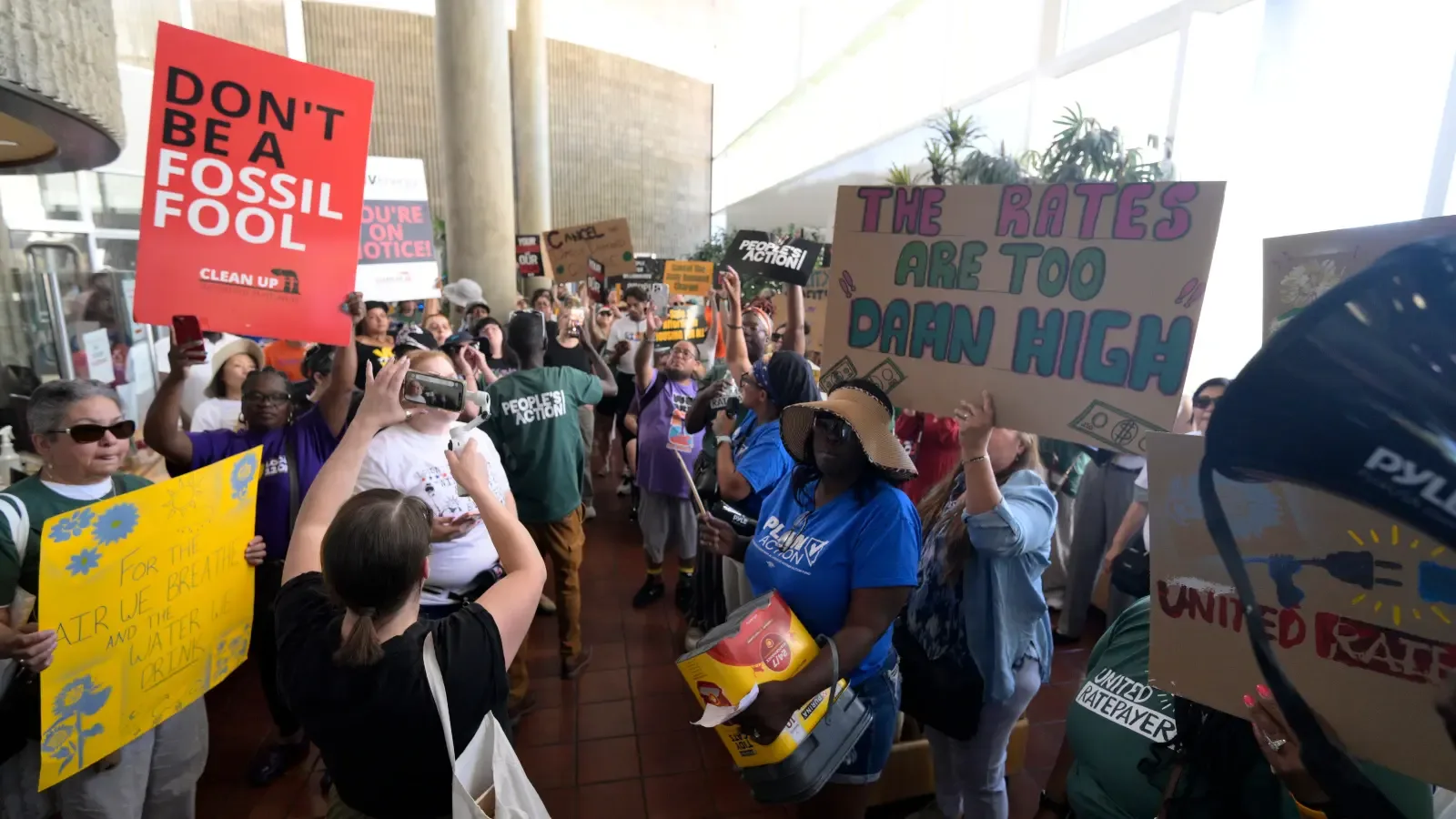
The once-prominent Green New Deal Network quietly disbanded at the end of 2025, signaling a major shift in the climate advocacy landscape. The coalition, which united climate, labor, and social justice groups, unraveled largely due to a changing political climate that empowered President Donald Trump’s reelection and subsequent rollback of environmental policies, leaving climate organizers to reconsider their strategies.
Amid growing concerns over the surge in construction of massive artificial intelligence (AI) data centers, many climate activists have redirected their efforts to challenge these facilities. These data centers are notorious for consuming large amounts of energy and water, raising costs for surrounding communities and sparking fears of Big Tech’s growing influence over local resources and infrastructure.

Activists such as Saul Levin, former director of campaigns for the Green New Deal Network, have emerged as key figures in this new front. Levin launched a private Signal group to unite opposition across the country, now boasting hundreds of members spanning nearly half the states. He also hosts a podcast titled “The Hum” to share stories of resistance and progress in fighting data center expansions.
This movement has attracted a wider, bipartisan coalition compared to previous climate campaigns, as the environmental, economic, and social justice implications intersect in this cause. Groups like the Sunrise Movement, which transformed the Green New Deal into a national priority several years ago, have also redirected their activism to oppose data centers in cities including Dallas, Denver, Pittsburgh, and Lansing.
Experts emphasize the strategic significance of targeting data centers, as these facilities have the potential to dramatically increase carbon emissions due to their immense energy demands. Public scrutiny of their environmental footprint presents new opportunities for climate advocates to regain momentum after setbacks at the federal level.