

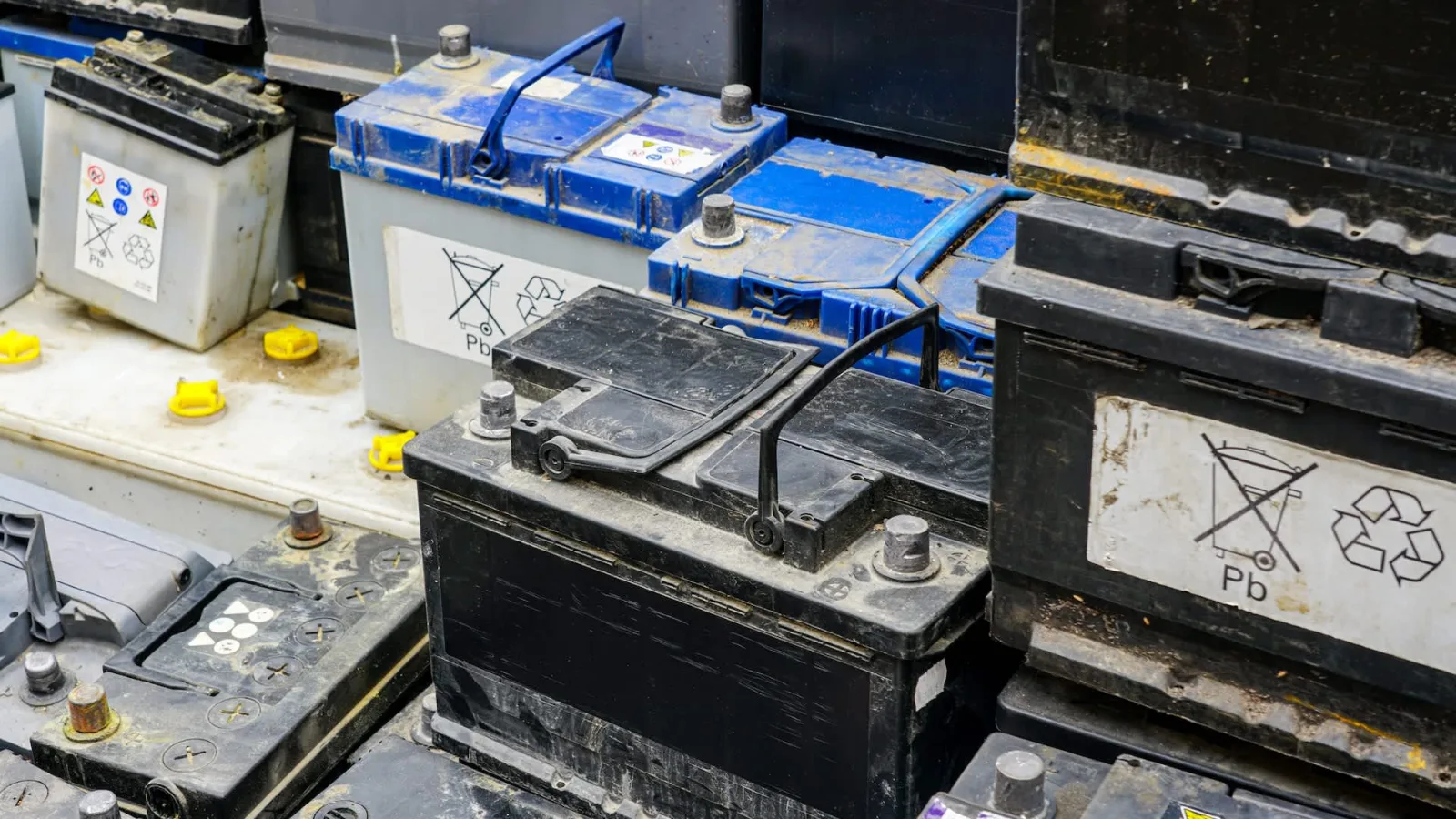
Colorado set a national precedent by becoming the first state to implement a broad legal framework addressing the full lifecycle of electric vehicle (EV) batteries. This law establishes a statewide system to handle EV batteries once their automotive use ends, aiming to reduce waste, lower raw material demand, and enhance the environmental benefits of EV adoption.
The legislation assigns automakers the responsibility to manage used batteries, promoting reuse where possible, repurposing batteries for secondary applications such as stationary energy storage, and recycling to reclaim valuable minerals. Such a systematic approach supports cleaner transportation and strengthens domestic supply chains for critical materials like lithium, cobalt, and nickel.

By mid-2020s, Colorado registered over 210,000 electric vehicles, accounting for a substantial share of new car sales. The law’s enactment aligns with the rapid EV market growth and widespread recognition that gasoline and diesel vehicles contribute to pollution and climate change, while EVs emit no tailpipe pollutants. Colorado’s new policy reflects growing industry and environmental support and draws inspiration from existing programs in regions like the European Union and China.
The environmental impact of this initiative is significant. Mining essential battery metals often causes ecological damage, and Colorado’s mining legacy includes abandoned sites that harm local streams. Recycling technologies today can recover more than 90% of these metals, reducing the need for new mining and helping address supply concerns. Experts estimate that recycled lithium could meet half of U.S. mineral demand with improved processes.
Beyond environmental benefits, reusing and repurposing batteries can lower EV ownership costs by extending battery life and reducing reliance on raw minerals. Additionally, repurposed batteries support energy resilience by acting as backup power during extreme weather events and stabilizing power grids, which is vital as communities face climate-related challenges.
Colorado’s Senate Bill 3, signed into law by Governor Jared Polis, marks a milestone for sustainable EV infrastructure and could serve as a model for other states seeking to address the challenges of battery end-of-life management and promote cleaner transportation futures.