

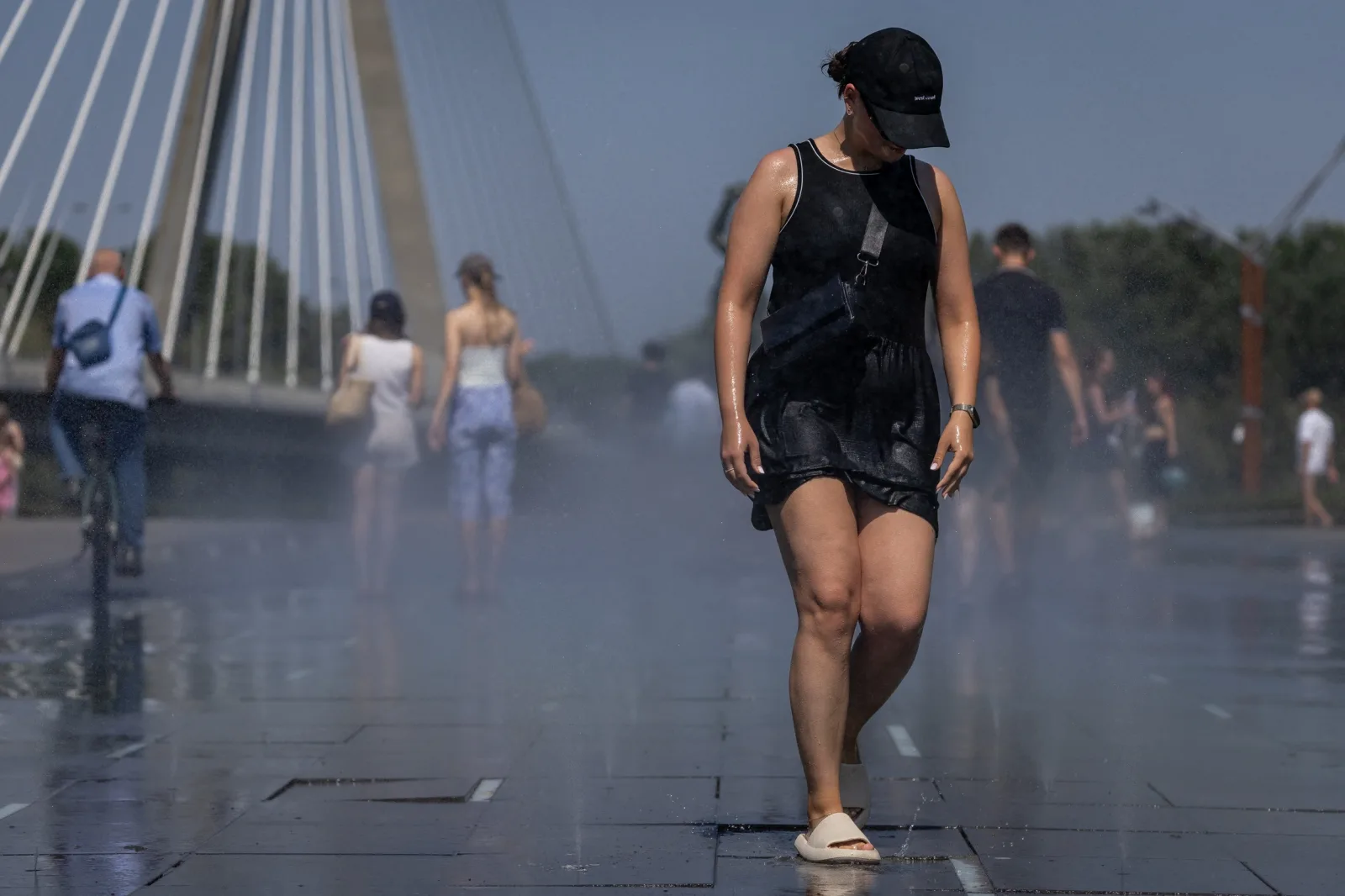
The unprecedented heat wave sweeping across Europe this summer is largely a consequence of human-caused climate change, according to a recent study by World Weather Attribution. The research highlights that such an extreme temperature surge was virtually impossible just decades ago, with half of the examined cities and regions experiencing their highest ever heat stress levels for late June.
The study stresses that temperatures during this heat wave have soared well beyond historical norms, likely 3.5 degrees Celsius (about 6 degrees Fahrenheit) warmer on average than they would have been fifty years ago. This dramatic rise contributes to increasingly frequent and intense heat events across the continent, threatening millions of lives. Heat-related fatalities already surpassed 60,000 in Europe during the summer of 2022, and this latest heat wave has been linked to at least 1,300 deaths to date.

Heat stress, which happens when the body cannot cool itself effectively through sweating, is a growing public health concern. The report analyzed data from over 800 European cities and found that 45 percent of them recorded or are forecast to record peak levels of heat stress for this time of year. The driving force behind these concerning trends is the continued emission of greenhouse gases from fossil fuel combustion, which accelerates global warming and exacerbates heat extremes.
Experts warn that without robust action to reduce emissions, record-breaking temperatures will become more frequent. Research associates from Imperial College London pointed out that the current surge in warming is not being adequately mitigated, meaning future summers are expected to see even higher heat thresholds surpassed with greater regularity.
The heat dome responsible for much of western Europe’s soaring temperatures has shifted east, now placing parts of Eastern Europe under severe heat warnings with forecasts reaching above 40 degrees Celsius (approximately 104 degrees Fahrenheit). Globally, analysis indicates a high probability that one of the years between 2026 and 2030 will establish a new record for the hottest year, potentially eclipsing 2024. The presence of El Niño in the Pacific Ocean may further intensify warming, especially in 2027, as temperature spikes commonly follow this weather pattern.