

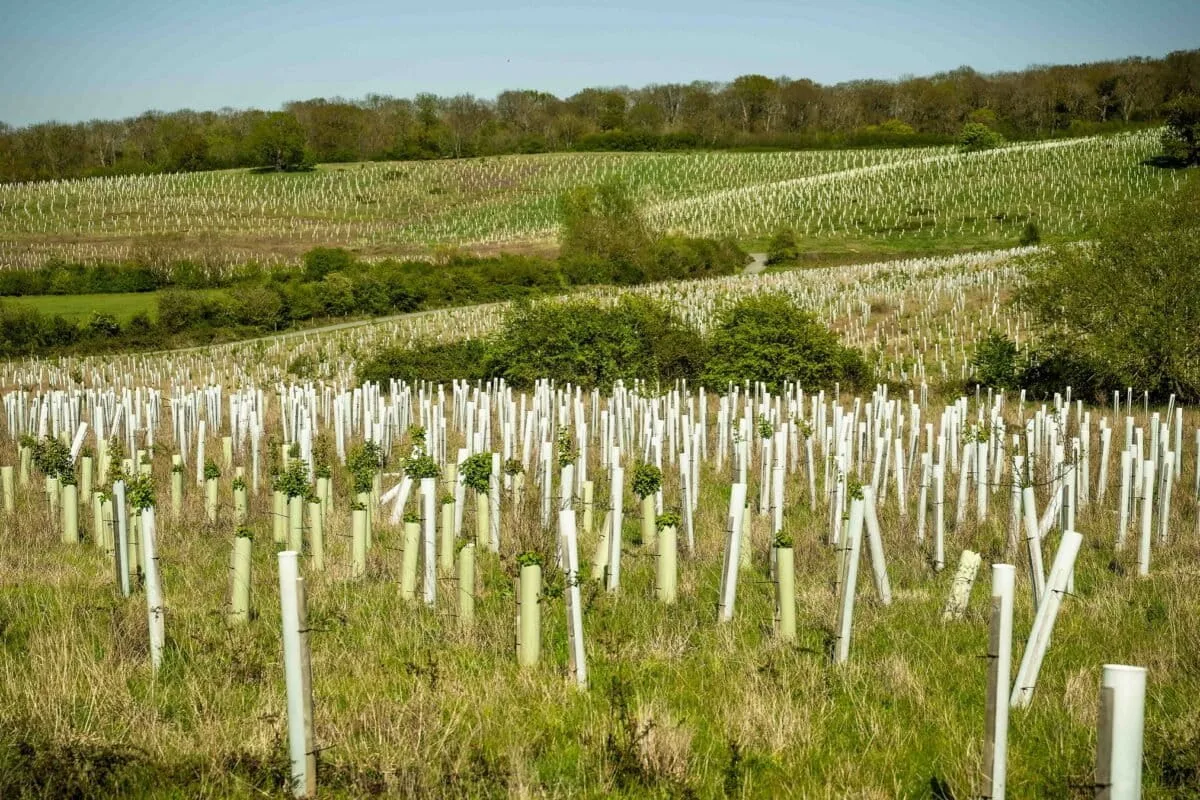
The voluntary carbon market, long criticized for transparency issues and greenwashing accusations, is seeing a novel approach designed to restore credibility and impact. The new methodology, introduced through the Balance carbon credit initiative, shifts the focus from mere carbon offsetting to a broader commitment to biodiversity protection and community welfare.
Daniel Morrell, a pioneer in carbon markets and CEO of Balance, argues that the market’s core problems arise from treating carbon credits as simple "get out of jail free" permits for emissions. Instead, his model places the success of biodiversity and social outcomes as prerequisites before counting carbon removal benefits. This dual emphasis aims to ensure lasting forest conservation and sustainable livelihoods for local communities involved in these projects.

Traditional carbon offset projects have faced increasing scrutiny over alleged human rights violations and questionable efficacy in carbon accounting. Morrell highlights that many voluntary carbon credit schemes neglect the interconnectedness of environmental and social factors, which weakens their long-term impact. Balance’s methodology relies on a three-pillar framework addressing biodiversity loss, poverty reduction, and climate mitigation simultaneously. This holistic approach attempts to create protected ecosystems capable of enduring for more than a century.
By prioritizing ecological health and income generation for communities, Balance intends to fill the gap left by conventional carbon market mechanisms. While efforts continue globally to enhance carbon market transparency and accountability, Morrell’s approach calls for redefining success metrics to include measurable social and biodiversity outcomes. This could reshape how companies and individuals purchase carbon credits, moving away from purely transactional offsetting toward genuine conservation investments.