

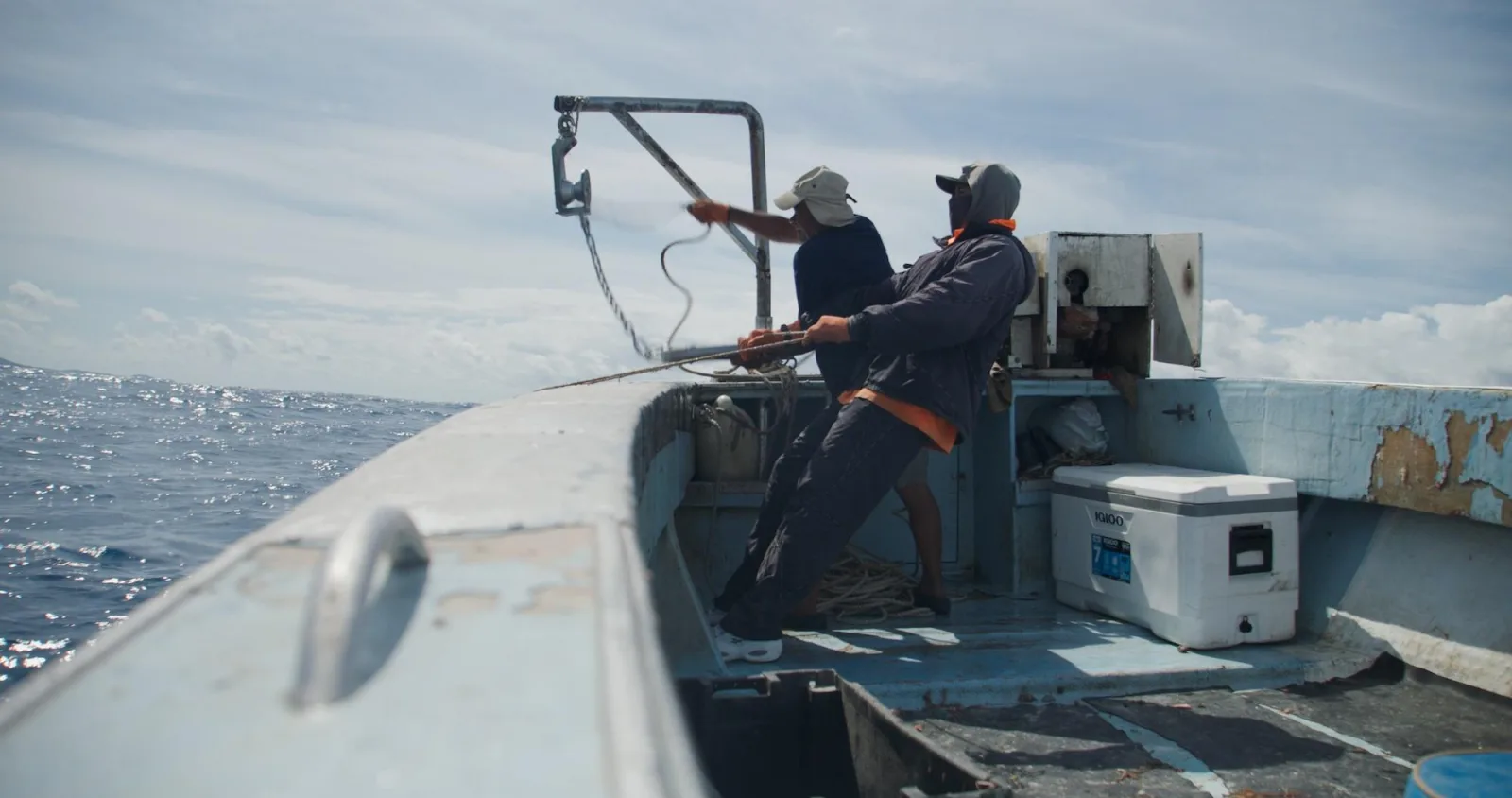
In the southeastern coastal waters of Puerto Rico’s Culebra island, traditional fishing practices persist amid growing challenges. Local fisher Tomás Ayala, who began free diving for reef fish and laying traps as a child, now relies on a restored community hub to support his livelihood. This “villa pesquera”—a fishing village and landing center—equips fishers with essential infrastructure like cleaning stations, freezers, and saltwater tanks for storing catch, while fostering collective action.
After decades of neglect following its closure in 2002 due to government funding cuts and political disputes, the facility fell into ruin. Yet through a prolonged grassroots effort involving local fishers, scientists, businesses, and neighbors, the villa pesquera was revitalized and officially reopened last fall. This community space now hosts critical gatherings where fishers coordinate projects, such as applying for federal permits to develop a native oyster farm and organizing cleanups to remove abandoned fishing gear from local reefs.

While climate change intensifies pressures on fish stocks and marine ecosystems, Culebra’s fishers face challenges beyond environmental shifts. Institutional neglect leaves them to devise adaptation strategies largely on their own. The lack of coordinated government support complicates their efforts to safeguard traditions and economic stability. Marine scientist Nicolás Gómez Andújar, a native whose family is deeply rooted in fishing, collaborates closely with local fishers to strengthen communal resilience despite ongoing obstacles.
This blend of local knowledge, community organizing, and scientific input highlights the fishers’ determination to adapt collectively without waiting for broad institutional relief. Yet their experience underscores a wider problem faced by many small-scale fisheries across Puerto Rico and the Caribbean: while climate hazards mount, effective support systems remain limited and fragmented.
Restoring the villa pesquera offered more than just physical infrastructure; it rekindled a shared platform for dialogue and action, crucial for sustaining livelihoods and marine stewardship alike. As Ayala and his peers navigate uncertain futures, their story illustrates how community-driven initiatives play a vital role in confronting the intersecting challenges of climate change and institutional gaps.