

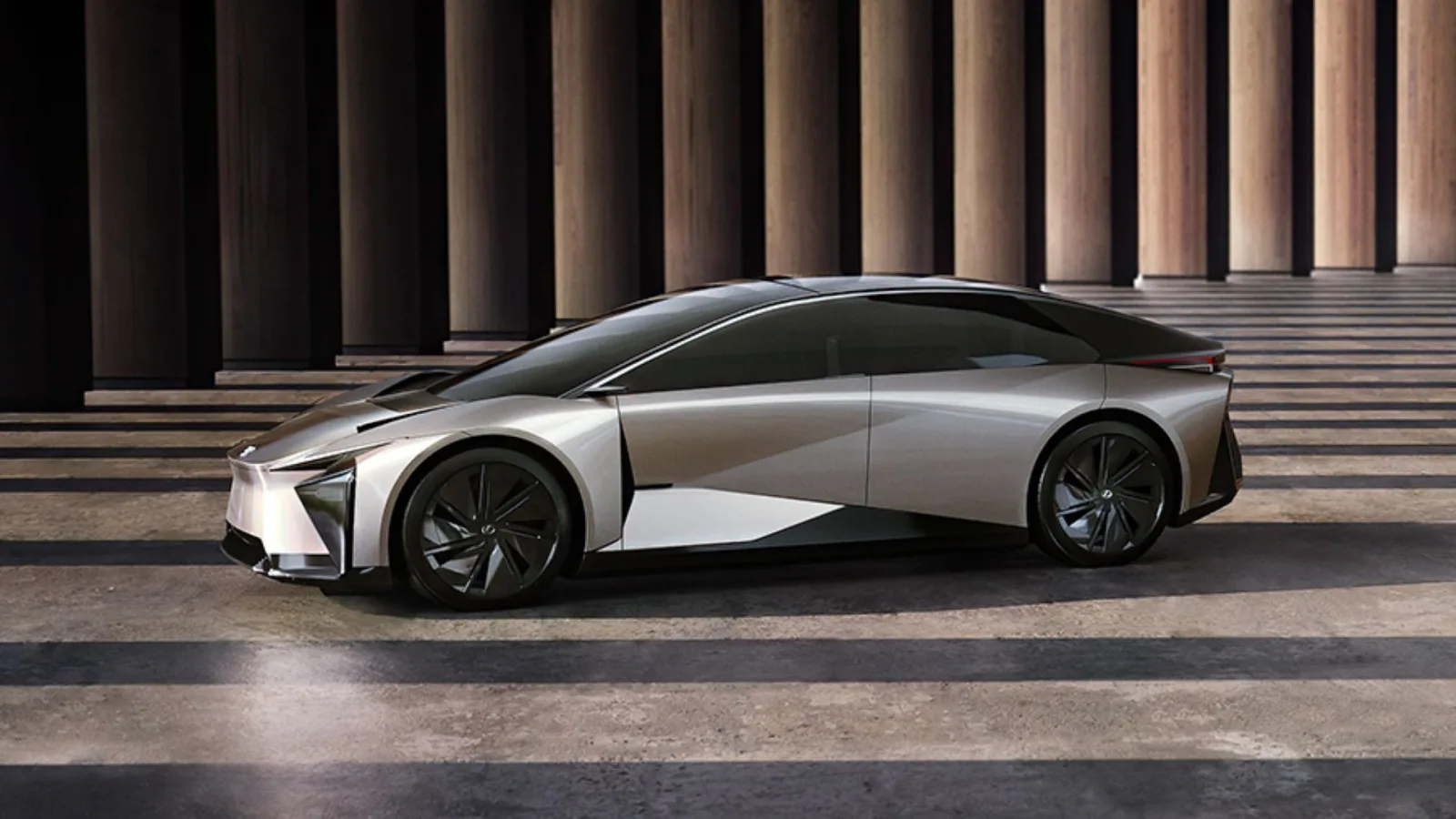
Toyota has officially discontinued the Lexus LF-ZC, a next-generation electric sedan that was intended to serve as the brand's EV flagship. The decision stems from the high costs associated with necessary molds and factory tooling, making the project financially unviable at this stage.
Despite scrapping the LF-ZC, Toyota assures that the innovative technology developed for it will not go to waste. The automaker highlighted several breakthroughs already completed during the LF-ZC’s development, including Gigacast manufacturing techniques, a new electrical and electronic platform for advanced driver-assistance systems, and innovations focused on miniaturization and weight reduction.

These advancements are set to inform a successor model under Lexus’s evolving electric vehicle strategy. The company is pivoting its focus toward potentially prioritizing SUVs for their upcoming EV lineup, aiming to optimize production costs while delivering improved battery performance and faster charging capabilities.
The LF-ZC had been unveiled as part of Lexus’s plan to accelerate its electric offerings, showcasing new high-performance prismatic batteries designed to deliver double the range of typical lithium-ion batteries along with quicker charging times. Originally scheduled for production by mid-2027, the project’s delay may slow the introduction of premium EV options for consumers who seek cleaner transportation choices.
Lexus maintains ambitious targets to sell 1 million EVs by 2030 and to transition to a fully electric lineup by 2035. The shift away from the LF-ZC sedan underscores the automaker’s balancing act between technological progress and economic feasibility amidst rising global competition, particularly from Chinese EV manufacturers rapidly expanding their market share.
By leveraging the LF-ZC’s technological groundwork in future electric vehicles, Toyota aims to sustain its momentum in advancing battery technology, software integration, and cost-effective manufacturing processes. This approach emphasizes adaptability in the luxury EV segment as the industry continues to evolve.