The Trump administration has imposed new ideological conditions on states seeking to partner with the U.S. Forest Service, threatening millions of dollars in wildfire mitigation funding and forest management projects across the country. The restrictions, issued by Agriculture Secretary Brooke Rollins on December 31, require partner organizations to affirm compliance with the President's executive orders on diversity, equity and inclusion, transgender athletes, and immigration policy. Several Democratic-led states report they cannot sign the new terms because the requirements conflict with state law, leaving critical wildfire defense work stalled.
Washington State Forester George Geissler said the state has been unable to distribute Community Wildfire Defense Grants to roughly 10 communities waiting for federal funding to reduce wildfire risk and fortify homes. The state also cannot sign new Good Neighbor Authority agreements that allow state agencies to conduct wildfire mitigation and restoration work on federal lands. "It's already starting to slow down or shut down work," Geissler said. "If we're not able to sign, both sides lose." Without new agreements, Washington state work on federal lands could stall within six to eight months, he warned.

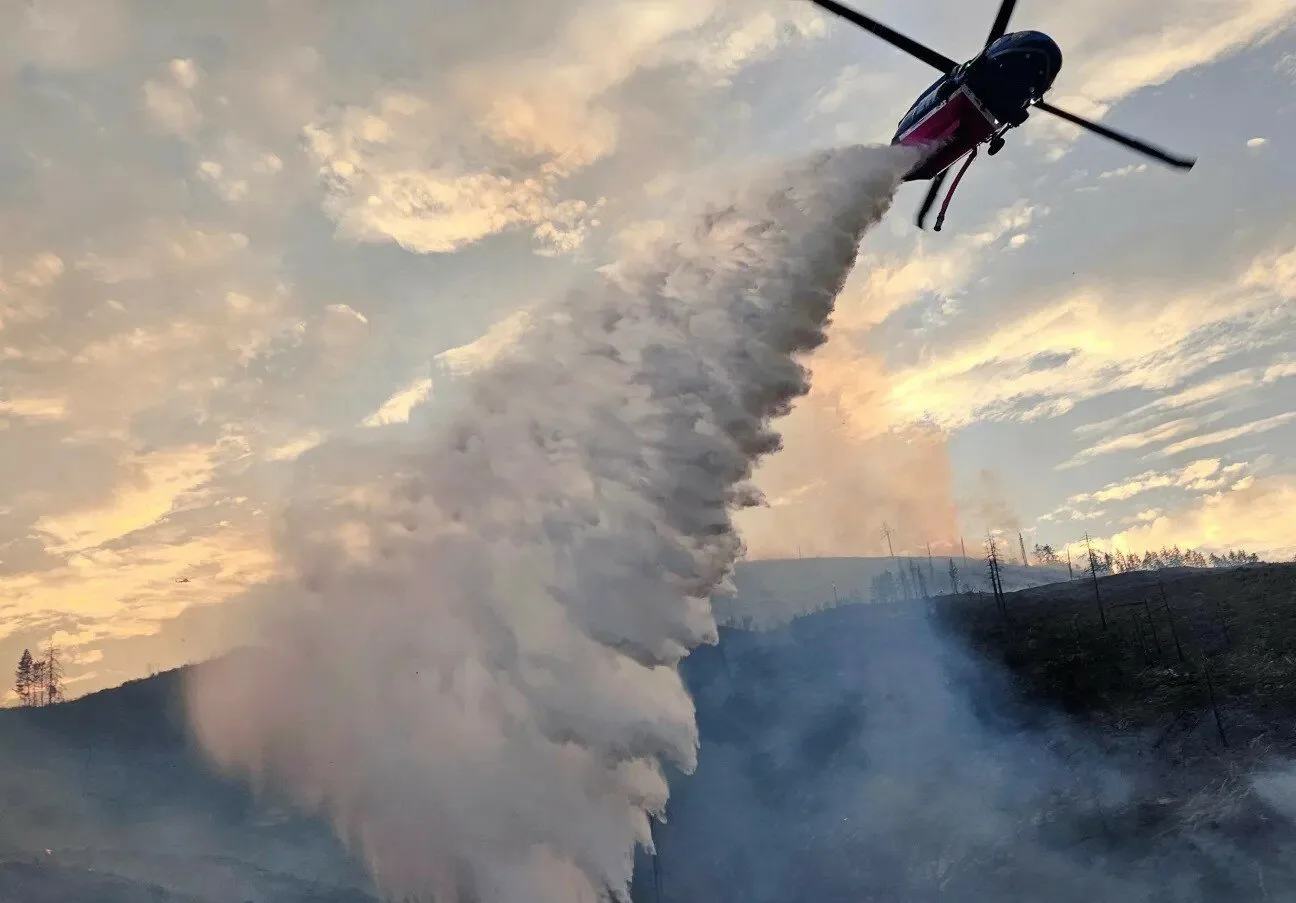
The timing presents a particular challenge as many Western states prepare for an intensified wildfire season following a winter with record high temperatures and minimal snowpack. The Forest Service relies increasingly on state partnerships to accomplish on-the-ground work, and observers expect states to play an even larger role following a recently announced agency reorganization. The new conditions, framed by the Department of Agriculture as an effort to streamline regulations and protect national security, apply to a wide range of grants and contracts aimed at reducing wildfire risk, restoring forest health, and boosting timber production.
State forestry officials cite vagueness as a major obstacle. The new requirements do not clearly define what it means to "promote gender ideology," which the agency now seeks to ban, according to legal declarations filed in a multistate lawsuit. States also struggle with a requirement that no one in the country illegally obtain "taxpayer-funded benefits"—a standard they say is impossible to verify for wildfire reduction projects serving entire communities. Jason Hartman, president of the National Association of State Foresters, reported that Forest Service officials have provided differing guidance across geographic regions, leaving states confused about compliance. He noted that at least one timber sale of 80 million board feet has been held up by the conditions.
A coalition of 20 states and the District of Columbia filed a lawsuit in March challenging the restrictions as unlawful. Robert Bonnie, who served as undersecretary of agriculture for natural resources during the Obama administration, called the policy "significantly disruptive" and "clearly targeted at Democratic states and Democratic partners." He noted that the new ideology requirements effectively turn away free assistance from states during a period when the Forest Service faces budget and workforce cuts.
The Michigan Department of Natural Resources reported more than $87 million in active Forest Service grants covering wildfire response, forest health, and other critical programs. Scott Bowen, the agency's director, warned that withholding these funds would force his department to shut down capabilities essential for fire preparedness in rural communities. Oregon faces similar disruptions, according to timber industry sources. In April, Secretary Rollins stated that the department had not yet made a final decision to cut off nutrition assistance funding for noncompliant states, though the new terms are already affecting Forest Service programs.