

The Federal Reserve's latest policy decision signaled a significant shift in its approach by dropping forward guidance, a move that prompted markets to price in higher interest rates extending into 2026. At the June meeting, the Fed maintained its target federal funds rate range but notably omitted language that had previously suggested an easing bias, signaling a tougher stance on inflation and borrowing costs.
This adjustment reflected a median policy rate projection for the end of 2026 rising to 3.8%, up from 3.4% in March. The absence of forward guidance means the Fed is less committed to providing markets with early signals about its future moves, underscoring greater flexibility to respond to economic data as it unfolds. This change also implies that the central bank may consider further rate hikes later this year, diverging from earlier expectations of rate cuts in 2026.

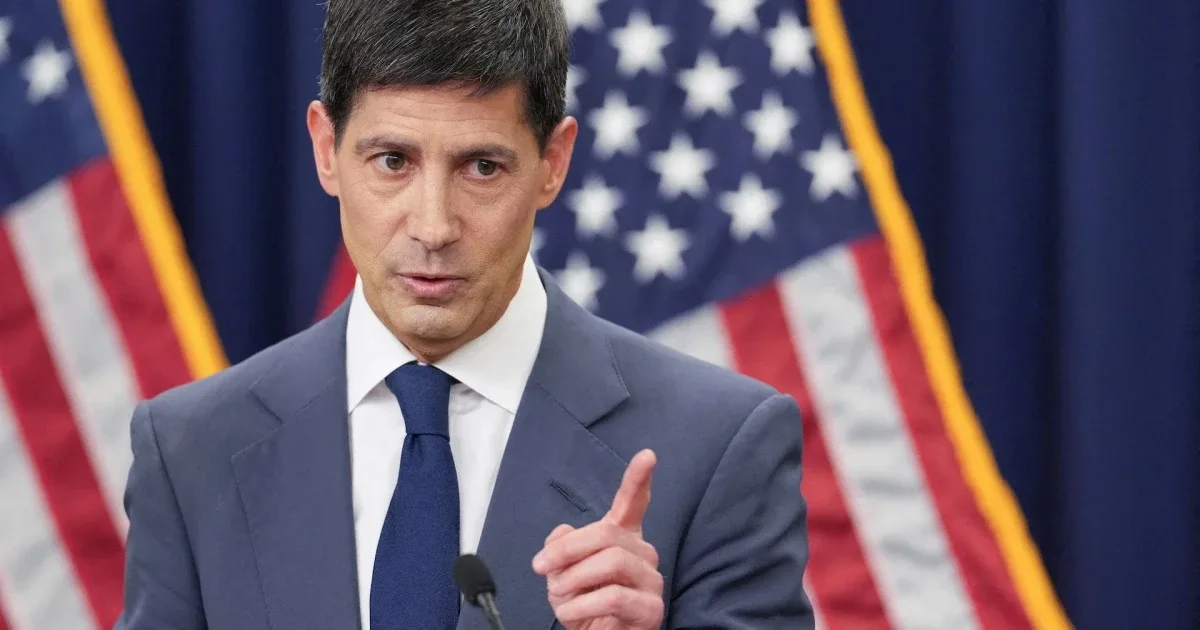
The decision follows remarks from Kevin Warsh, who emphasized during his Senate confirmation hearing that the Fed would reduce its reliance on forward guidance as part of a broader "regime change." By providing fewer clues about its policy path, the Fed aims to balance transparent communication with the risk of increasing market volatility. While this approach grants policymakers greater maneuverability to address inflation—currently still above their 2% target—it also means businesses, investors, and borrowers face heightened uncertainty around key economic reports.
The June projections contrast sharply with those from March, reflecting changing views among officials. Almost half of the Federal Open Market Committee members now see the possibility of a rate hike later in 2026, highlighting a shift toward a more hawkish stance amid persistent inflation pressures. This evolution comes as political figures, including former President Donald Trump, call for lower rates despite ongoing inflation challenges, intensifying scrutiny over the Fed’s independence and decision-making.