

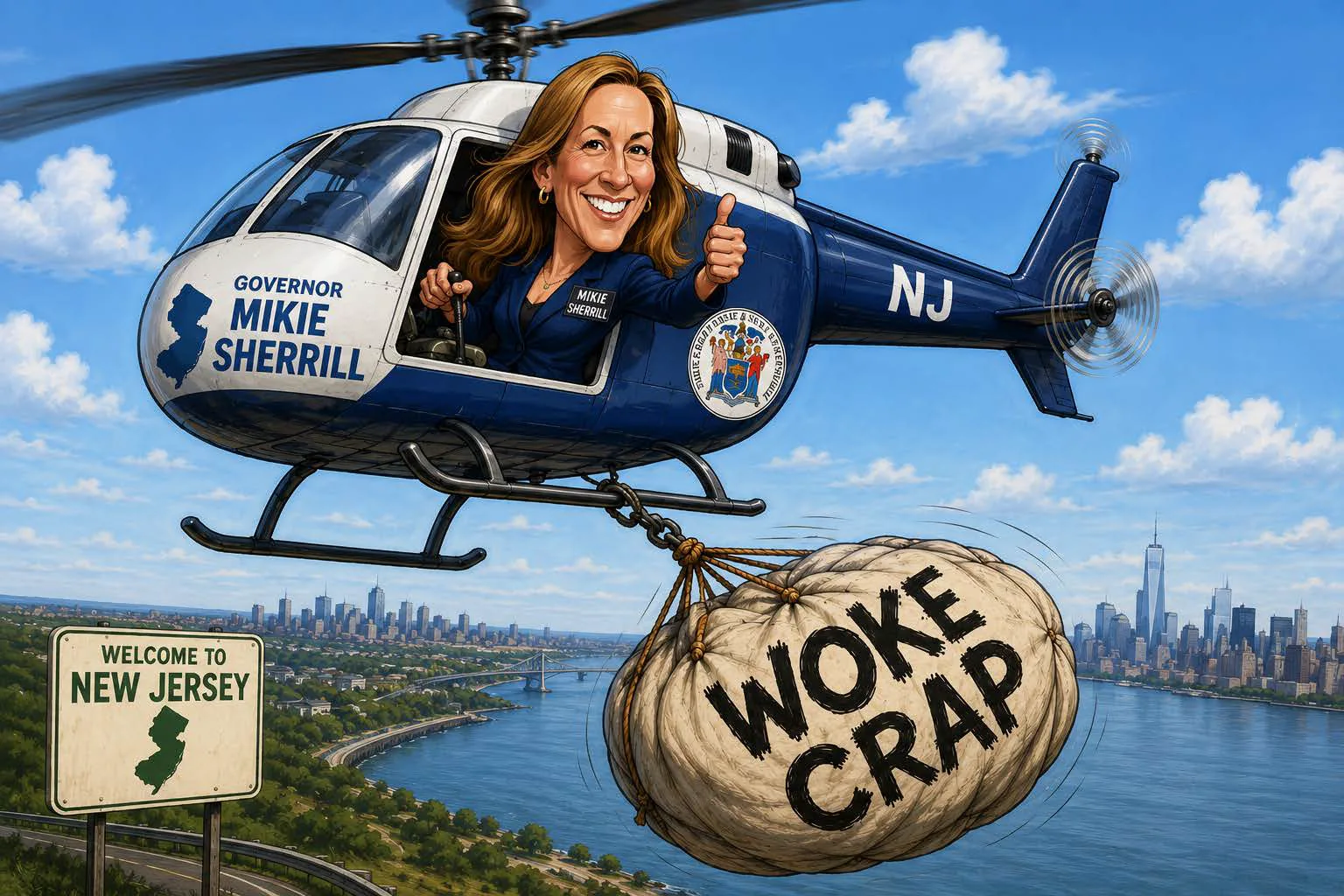
New Jersey’s fiscal year 2027 budget, totaling approximately $91 billion including federal funds, channels significant resources into programs centered on equity, climate action, and identity politics. While the state presents the budget as fiscally responsible, many allocations reveal a growing investment in ideological priorities embedded within multiple government agencies.
One of the largest targeted expenditures is the $22 million Reproductive Health Access Fund, which supports expanded abortion access infrastructure, including provider training and facility security. This fund reflects a dedicated policy-driven expenditure amid ongoing fiscal challenges, raising questions about its place in a structurally strained budget.

The state has broadly expanded its Diversity, Equity, and Inclusion (DEI) framework beyond a single office. The Office of State Diversity, Equity, and Inclusion receives $850,000, while the Treasury Department’s Chief Diversity Officer role carries a budget exceeding $1.2 million. Minority and Women Business Enterprise programs add another $500,000 to the mix, emphasizing procurement preferences based on race and gender classifications. This multi-agency structure solidifies DEI as a permanent feature of New Jersey’s government spending.
Climate-related initiatives also command substantial funding. The Office of Climate Action and the Green Economy is allocated $500,000, matched by another $500,000 dedicated to Climate Change Education Grants in schools. These grants support taxpayer-funded climate curricula, contributing to a broader state effort to influence educational messaging on climate policy.
Additional smaller budget items further highlight identity-focused spending. An LGBTQ community health center receives $950,000, while the Department of Corrections is allotted $250,000 for diversity training. The Perinatal Health Equity Initiative, targeting racial disparities in maternal health, gets $50,000. Services fostering language access and immigrant integration each receive $1 million, supporting their respective programs within the Office of New Americans. Economic opportunity programs linked to cannabis regulation also contain social equity provisions aimed at designated groups. Workforce initiatives fund a Council on Gender Parity, completing a comprehensive agenda of identity-conscious state investments.