

Stock markets recovered amid mounting optimism over a tentative agreement between the United States and Iran to halt hostilities and reopen the Strait of Hormuz, a vital corridor for global oil shipments. This de-escalation reduced fears of a broader Middle East conflict, prompting oil prices to drop sharply toward pre-war levels and driving gains in risk-sensitive sectors like technology.
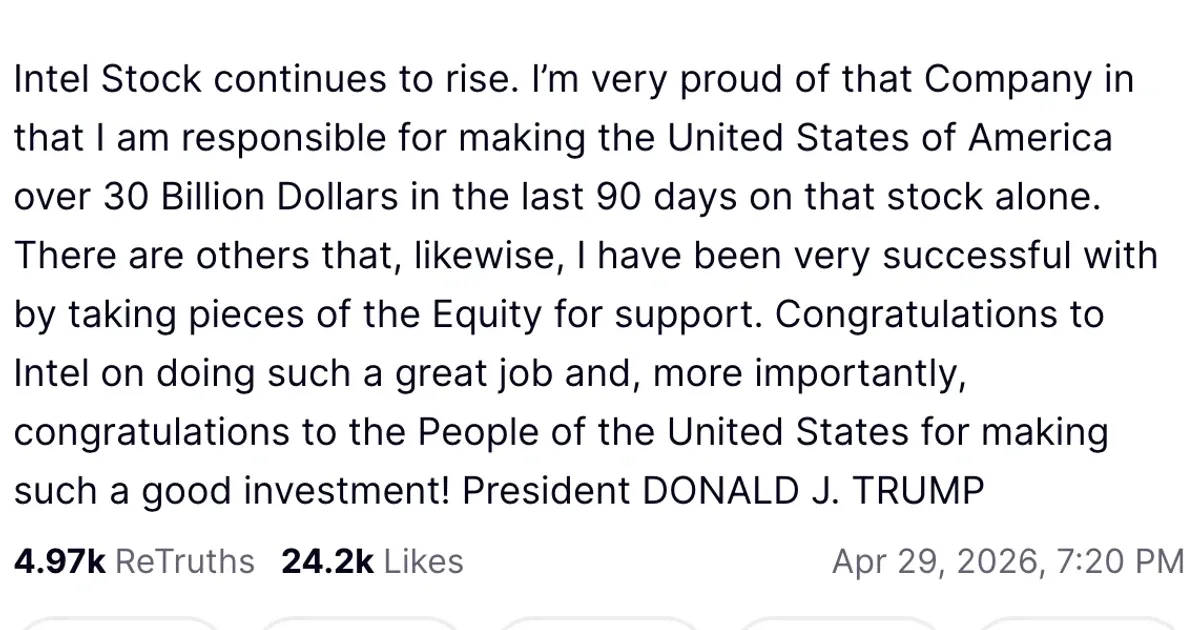
Semiconductor shares led the rally, with Intel soaring nearly 10% following an announcement that Apple would collaborate with the company to design and produce chips domestically. The retreat in oil prices also alleviated concerns about inflationary pressures, which had risen due to conflict-related supply threats and had complicated market expectations for monetary policy.

However, these gains came alongside a more cautious monetary outlook. At its latest meeting, the Federal Reserve kept its benchmark interest rate steady but struck a hawkish tone, signaling a tighter monetary stance for the foreseeable future. The Fed removed its previous easing bias, and futures markets now price in at least one rate hike in 2026, underscoring the central bank’s focus on controlling inflation despite geopolitical improvements.
Investors face a balancing act between the relief from receding geopolitical risks and the prospect of continued restrictive monetary policy. The initial market reaction underscored this dual dynamic: major indexes surged after the peace announcement, with the S&P 500 climbing over 1.5%, the Nasdaq rising around 3%, and the Dow Jones hitting record highs. Yet the Federal Reserve’s stance tempered enthusiasm, suggesting that any sustained stock market gains depend on both the durability of the Iran agreement and subdued inflation.
Should the U.S.-Iran deal hold, ongoing declines in crude prices could reinforce expectations of lower inflation, benefiting growth-oriented sectors, particularly technology. Conversely, any collapse of the truce may prompt rapid reversals in markets and sustain volatility, especially given the Fed’s commitment to a tighter policy environment.