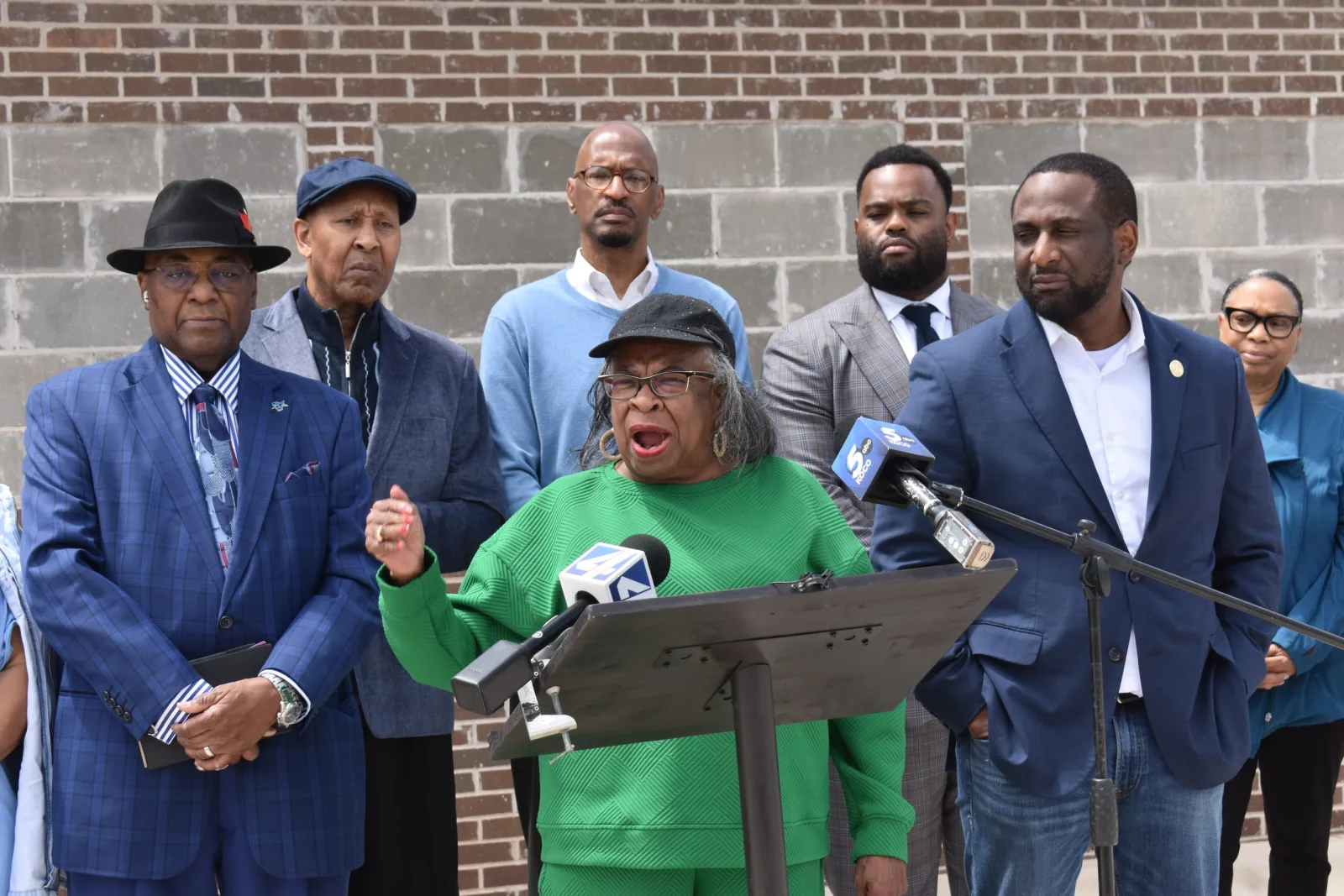
Oklahoma City civil rights activist Marilyn Luper Hildreth and other community leaders announced a demonstration scheduled for Friday, May 1, from 4:00 p.m. to 6:00 p.m. at the federal courthouse in Oklahoma City, responding to a Supreme Court decision that struck down a provision of the Voting Rights Act. The ruling, decided Wednesday by the court's conservative majority in a 6-3 vote, invalidated one of Louisiana's majority-Black congressional districts and prohibited states from creating voting districts based on race.
Speaking at a press conference at the Freedom Center in Oklahoma City, Hildreth said she was prepared to return to activism despite her age. "I haven't picketed in so long, my feet are so tired," she said. "So if I have to get back out there, I don't mind, but I want you to join me." Hildreth, the daughter of civil rights icon Clara Luper, urged Oklahomans not to assume the state has no power to influence national policy, noting that Oklahoma has brought more cases before the U.S. Supreme Court than any other state.

The Wednesday decision has broader implications across the country. An analysis by NPR identified at least 15 House districts from Louisiana to North Carolina that could face elimination. According to the ACLU of Oklahoma, the ruling could result in nearly 190 seats held by Black legislators and state representatives being eliminated. ACLU of Oklahoma Executive Director Tamya Cox-Touré raised the prospect during the press conference that such losses would represent the largest decline in Black representation on Capitol Hill since the end of Reconstruction in the late 1800s.
Oklahoma County District 1 Commissioner Jason Lowe, a former state representative and first-generation lawyer, spoke about standing "on the shoulders" of those who fought for Black voting rights. Cliff Albright, co-founder of Black Voters Matter, described the ruling as "literally throwing us back to the Jim Crow era unapologetically."
Hildreth, whose mother Clara Luper would have turned 103 on Sunday, May 3, expressed both sadness and resolve about the decision. "I thought that this day was over. I thought that we as a race of people had the right and the dignity to go in and vote without someone taking it away from us," she said. "I don't know in my lifetime if I ever will know that freedom, but I tell you, I'ma die trying."