

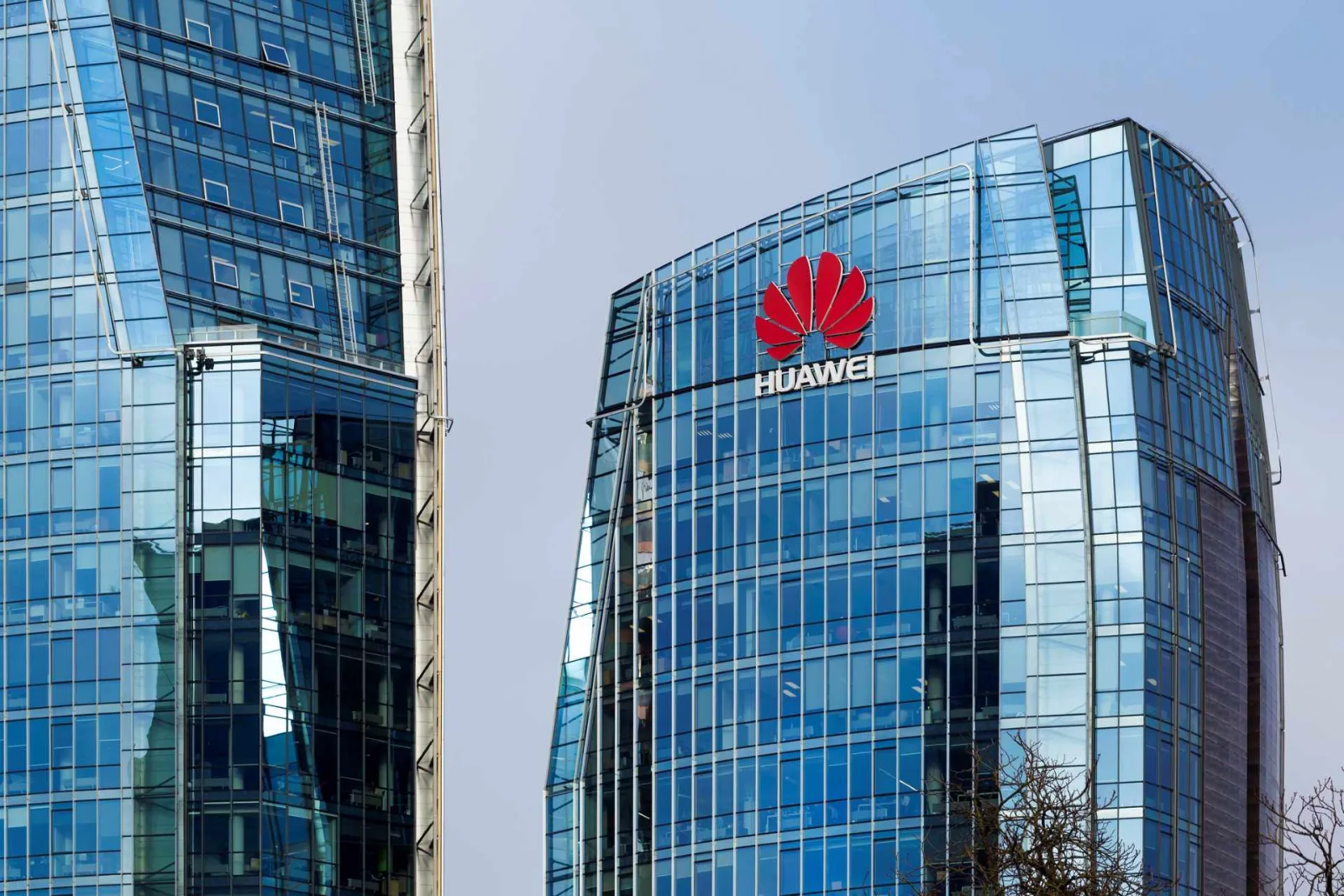
German industrial giant Bosch agreed to pay a $36 million penalty to U.S. regulators after it was revealed that two of its subsidiaries sold smartphone components to Huawei without obtaining the required export licenses. The sales, valued at approximately $70 million, violated U.S. trade sanctions targeting the Chinese technology firm.
These transactions occurred over several years, spanning from 2020 to 2024, involving around 100 deals focused on sensors and software used in smartphones. U.S. export control laws prohibit any entities under U.S. jurisdiction or influence from providing Huawei with such technology without approval. Bosch confirmed the violations were unintentional but acknowledged the scale of sales to Huawei indicated a significant commercial relationship.

Despite the looming fine, Huawei has continued to access overseas manufacturing networks to source critical components, circumventing longstanding U.S. restrictions first imposed nearly seven years ago. Although much of Huawei’s revenue is generated domestically within China, the U.S. views the company’s global supply chain as a potential security threat, leading to strict enforcement actions against its international partners.
Bosch stated it would surrender the profits earned from these unlawful transactions and has vowed to implement stricter compliance measures to prevent future breaches. Operating under heightened U.S. scrutiny, the company may face challenges sustaining its business dealings with Huawei, although other suppliers capable of delivering similar parts likely remain in the market.
This case highlights the ongoing complexities multinational corporations face in navigating U.S. trade sanctions. It underscores how enforcement extends beyond direct dealings by the sanctioned entity itself to include foreign subsidiaries and partners involved in the supply chain. The Bosch fine serves as a cautionary example of the costly consequences when export control regulations are overlooked.