

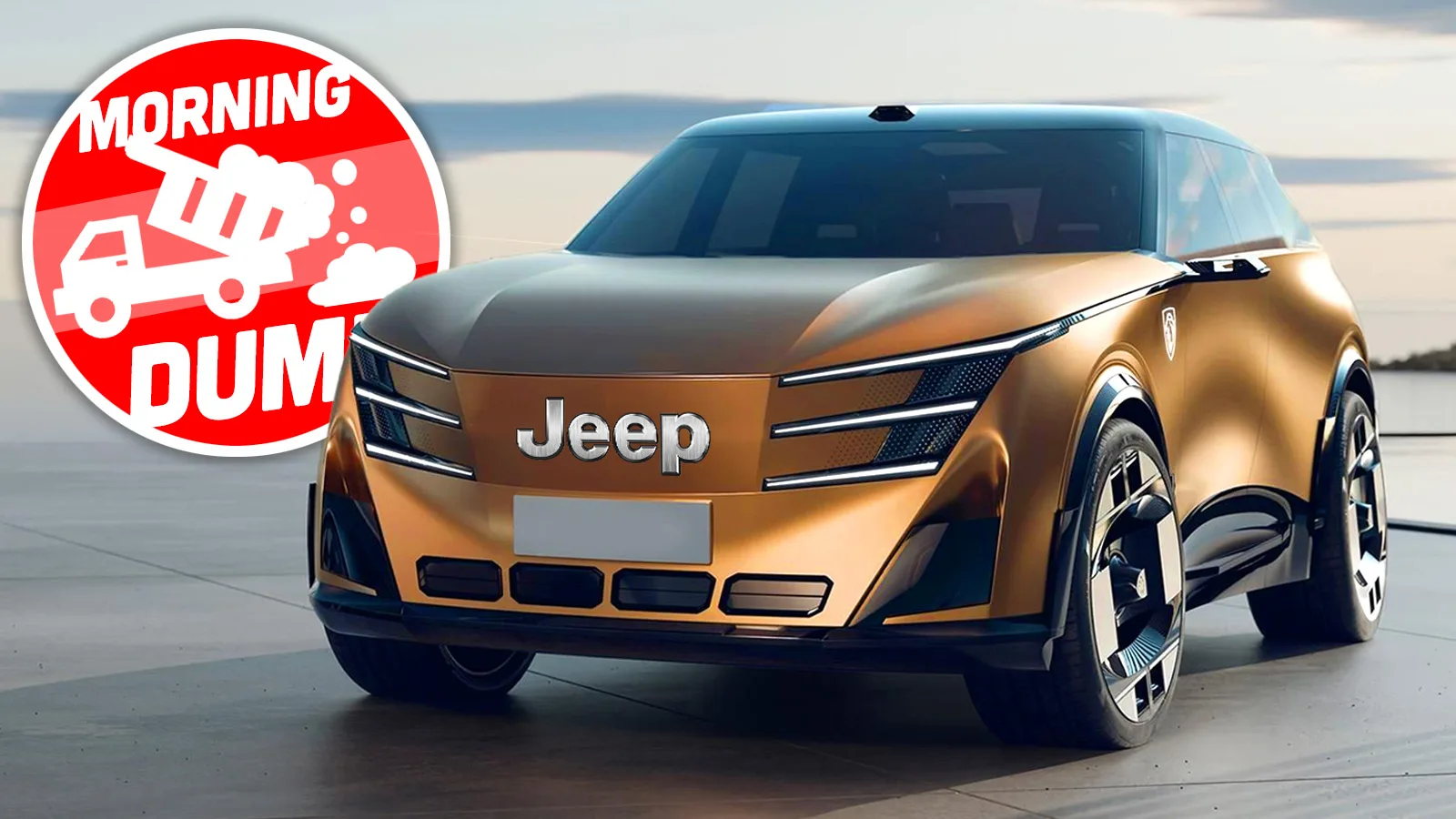
Jeep, a brand long associated with American automotive heritage, is set to build its first Chinese-made vehicles under an expanded collaboration with Dongfeng Motor Corporation. This marks a significant milestone as Jeep prepares to launch a new electric midsize SUV developed and manufactured in China, a move that could reshape global production strategies for the iconic brand.
The new SUV will be a D-segment model positioned within the expanding portfolio Jeep plans for the European region, where Stellantis—the parent company of Jeep—is targeting a substantial increase in available Jeep models by the end of the decade. Currently, only two Jeep models are sold in Europe, but this figure is expected to rise to six, including the China-produced electric SUV.

This development follows historical ties between Jeep and Chinese manufacturers. In the 1980s, Jeep’s then-parent company AMC partnered with Beijing Automotive Industry Company to form Beijing Jeep, producing Jeep-like vehicles locally but without the Jeep branding. The forthcoming Chinese-built Jeep will be the first to carry the brand’s iconic name into Western markets.
China’s role as the world’s manufacturing hub continues to expand beyond components and generic products, now encompassing vehicles of major global brands. While many consumers purchase Chinese-made goods unknowingly, the Jeep example raises questions about how production origin influences brand perception, especially given geopolitical tensions between the United States and China.
The joint venture aligns with broader industry trends emphasizing new energy vehicles (NEVs), including fully electric or extended-range electric models. This partnership highlights Stellantis’ strategy to leverage China’s manufacturing capabilities and technology in electric vehicle production while targeting growing demand in international markets.
As Jeep ventures into China-based production, other automakers with Chinese ownership or partnerships, such as Lotus, are also positioned to introduce Chinese-built vehicles to Western consumers. This shift underscores the increasingly complex intersections of global manufacturing, economics, and politics within the automotive sector.