

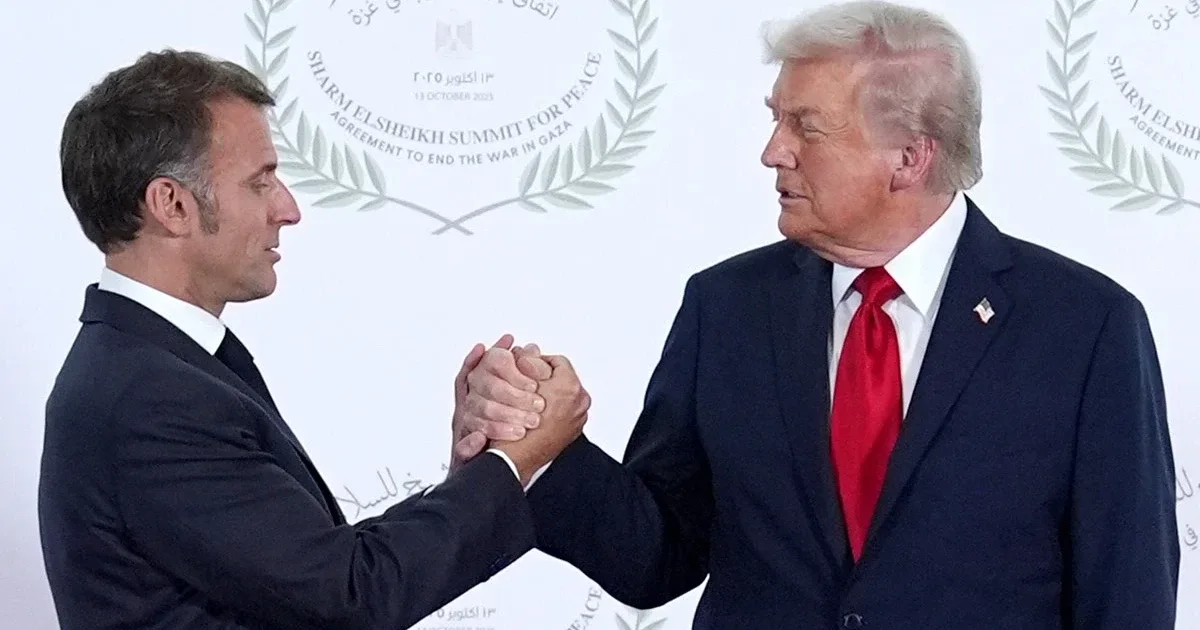
Donald Trump signed a 14-point memorandum with Iran during a dinner at the Palace of Versailles, marking a tentative step toward easing tensions between the two countries. The agreement, framed as a move to de-escalate conflict and reopen the strategic Strait of Hormuz, initiates immediate sanctions relief, though it stops short of a permanent resolution.
The signing took place after a G7 dinner hosted by French President Emmanuel Macron, attended by First Lady Brigitte Macron and U.S. Secretary of State Marco Rubio. The ceremonial setting at Versailles—historic as the site of the World War I peace treaty—added symbolic weight to the proceedings, signaling a desire for diplomatic settlement amid ongoing regional instability.

U.S. officials confirmed that the memorandum had been digitally signed prior to the event and was officially formalized at the dinner. Iranian representatives noted the agreement was electronically signed as well. Central components of the memorandum include Iran’s commitment to reduce its highly enriched uranium stockpile, a key measure addressing concerns over its nuclear program, and the immediate reopening of the Strait of Hormuz, vital for global energy transit.
Despite the diplomatic optics, the deal remains provisional. Trump described it as an initial peace accord but emphasized that military action could resume if a comprehensive final agreement is not reached within 60 days. This condition underscores lingering uncertainties surrounding enforcement and long-term compliance.
The memorandum lifts sanctions temporarily rather than rescinding them permanently, suggesting that economic relief for Iran is conditional and subject to further negotiation. The reopening of the Strait of Hormuz is expected to ease global energy market pressures after its recent closure caused significant price increases.
International reactions were measured but positive. Pakistan’s Prime Minister Shehbaz Sharif confirmed the memorandum would take immediate effect. Macron publicly lauded the signing, framing it as a crucial diplomatic breakthrough. However, analysts point out that while this agreement reduces immediate tensions, it does not address all underlying disputes or guarantee lasting peace.