

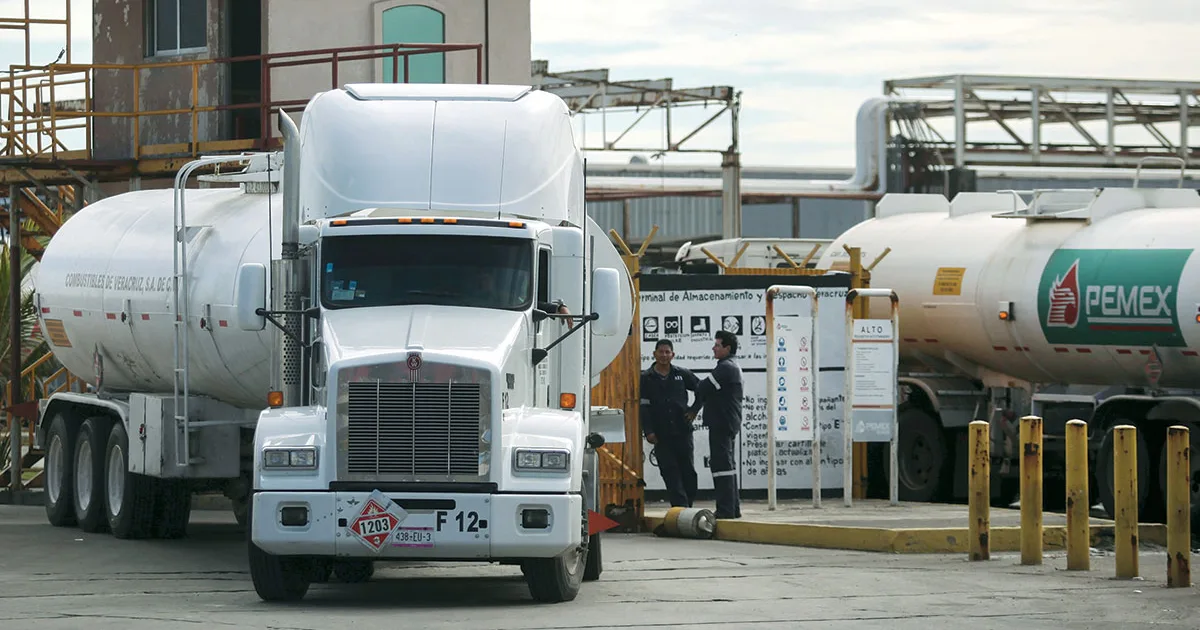
The US Treasury Department targeted two Mexican citizens and nine associated companies for their roles in a large-scale fuel-smuggling operation tied to the Cartel del Jalisco Nueva Generación (CJNG). The scheme allegedly moves untaxed US gasoline and diesel across the border into Mexico, generating significant illicit revenue for cartels and undermining both countries’ economies.
Officials stated that these illegal activities cause Mexico to lose more than $11 billion yearly in tax revenue, making fuel smuggling the cartel’s second-largest source of income after drug trafficking. The sanctioned entities, connected to Oscar Guillermo Juraidini Silva and J. Refugio Ruiz Villagomez, span transportation, financial services, and real estate sectors, facilitating covert fuel imports and distribution.

According to the Treasury’s statement, Juraidini used shell companies to mislabel fuel imports and evade Mexican taxes, while Ruiz controlled firms that paid bribes to criminals managing ports of entry between the US and Mexico, smoothing illicit fuel transfers. Both men reportedly moved tens of millions of dollars through the US financial system linked to cartel activities. Requests for comment from the implicated businesses and individuals went unanswered.
This crackdown aligns with expanded cooperation between Mexican authorities and US agencies under President Claudia Sheinbaum’s administration, aiming to curb the fuel theft crisis. Mexico’s refining capacity lags behind demand, forcing the country to import over 60% of its fuel, mostly from the US. Industry estimates indicate that roughly one-third of fuel sold in Mexico comes from illegal sources, exacerbating economic and security challenges on both sides of the border.