

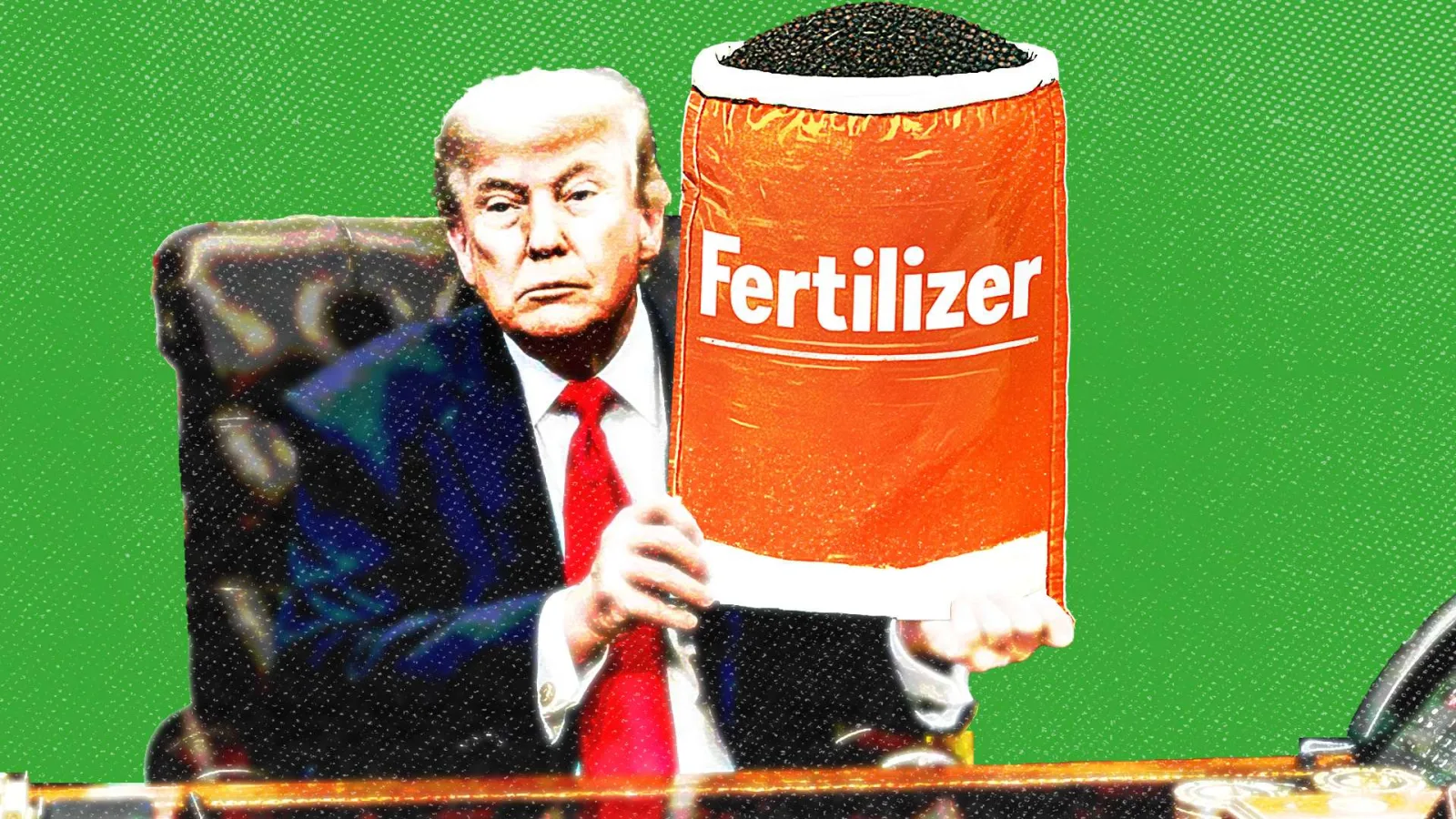
The White House has quietly lifted tariffs on fertilizer imports from Morocco to address critical supply shortages and escalating costs faced by American farmers. This move aims to ensure timely access to phosphate fertilizers during the planting and growing season, stabilizing domestic crop production amid evolving global pressures.
Fertilizer prices surged due to disruptions linked to the Iran War, which restricted imports from key suppliers. These tariff removals follow similar rollbacks on products such as coffee, beef, and farm equipment, signaling a pattern of recognition that tariffs inflate consumer and producer prices. Officials justified the repeal as a necessary step to maintain food production stability and meet the nation’s agricultural needs.

Tariffs on Moroccan fertilizer, imposed under the current administration, had previously strained U.S. farmers by increasing costs and limiting access to essential inputs. Reports estimate that these tariffs cost American farmers nearly seven billion dollars over several years. Agricultural groups have raised concerns for months, warning that the tariffs contributed to lower crop yields and economic harm, and have called on trade authorities to remove such barriers.
The U.S. Trade Representative, a key advocate of the original tariffs, faced criticism as this policy reversal exposed the practical consequences of protective measures intended to support domestic industry but which ended up burdening producers. Previously, he testified asserting that fertilizer supplies would remain sufficient despite the tariffs, a claim that recent shortages have contradicted.
This tariff adjustment reflects broader tensions in trade policy where protectionist measures, meant to shield certain industries, can inadvertently elevate costs for others and destabilize supply chains. The fertilizer tariff rollback illustrates the balancing act between safeguarding American manufacturers and ensuring affordable, reliable inputs for farmers critical to the country’s food supply.