US Trade Deficit Expands Sharply as AI Investment Drives Import surge
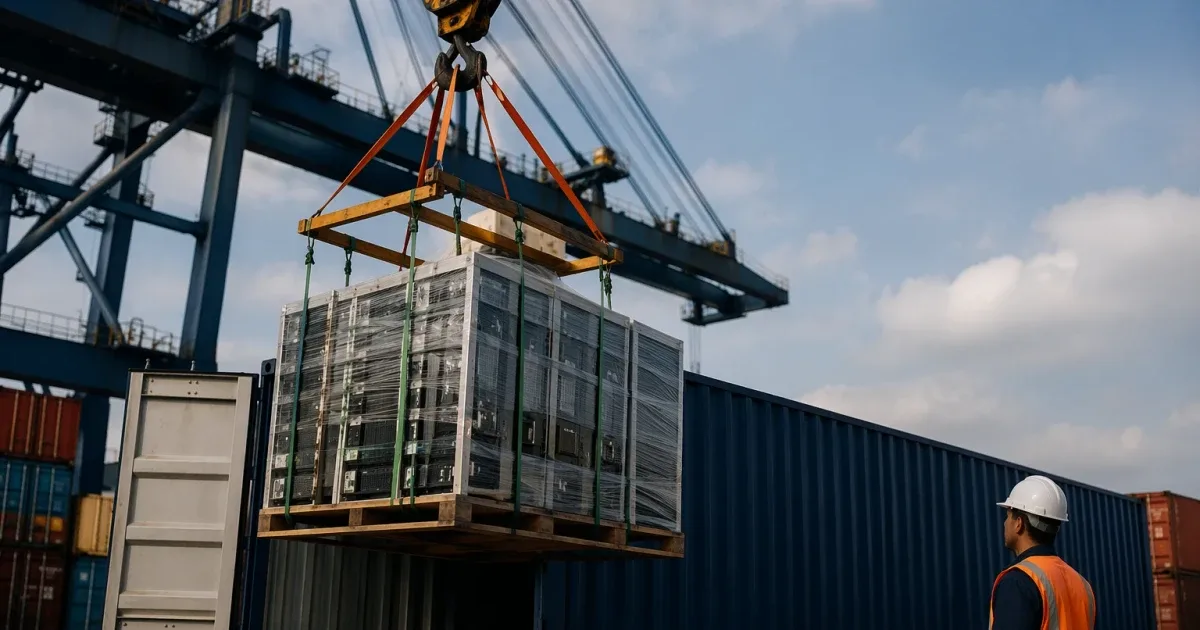
The US trade deficit surged in May amid record imports fueled by heavy corporate spending on AI technology and data-center infrastructure.
After sealing a major trade deal with the EU, India is actively pursuing new free trade agreements across the Americas, Africa, the Gulf, and the Asia-Pacific regions.
India urges the U.S. to replace punitive tariffs with cooperation and strengthened compliance to address forced labour in trade, emphasizing ongoing industry safeguards.
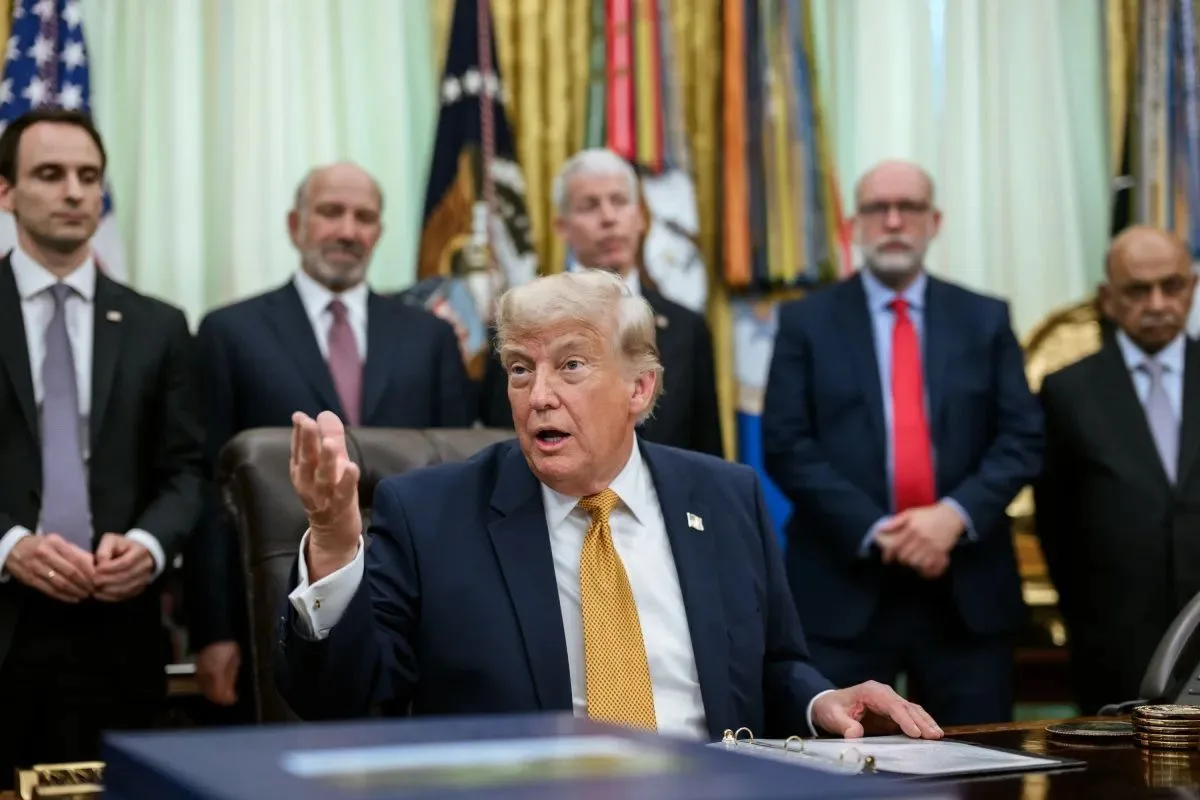
President Donald Trump credited tariffs for sparking a historic wave of manufacturing investments in the US, driving companies to relocate production domestically.
California officials urge Quebec to lift restrictions on American wine sales, aiming to revive exports devastated by trade disputes that crippled the state’s wine industry.
China may lift its ban on NVIDIA’s H200 AI chips, permitting companies like Alibaba and ByteDance to acquire restricted quantities amid ongoing US export controls.
Apple is evaluating Chinese-made CXMT memory chips for China-market devices while lobbying the U.S. government for approval amid global DRAM shortages and rising costs.
Uzbekistan Airports and Air China discussed increasing Beijing-Tashkent flights and exploring new routes, including potential services to Uzbekistan’s Fergana Valley.
Chinese AI leader DeepSeek is building its own inference accelerator chip to limit reliance on NVIDIA and Huawei hardware amid growing domestic tech restrictions.
Mexico, Peru, Guatemala, and Ecuador oppose U.S. tariffs aimed at combating forced labor, arguing existing laws suffice and that tariffs would unfairly target compliant exporters.
A former U.S. ambassador to NATO described President Trump’s removal of sanctions on Turkey during a NATO summit as an unusual and questionable diplomatic move.
Iran accused the United States of violating the Islamabad Memorandum of Understanding after Washington reversed the temporary suspension of sanctions on Iranian oil exports.