

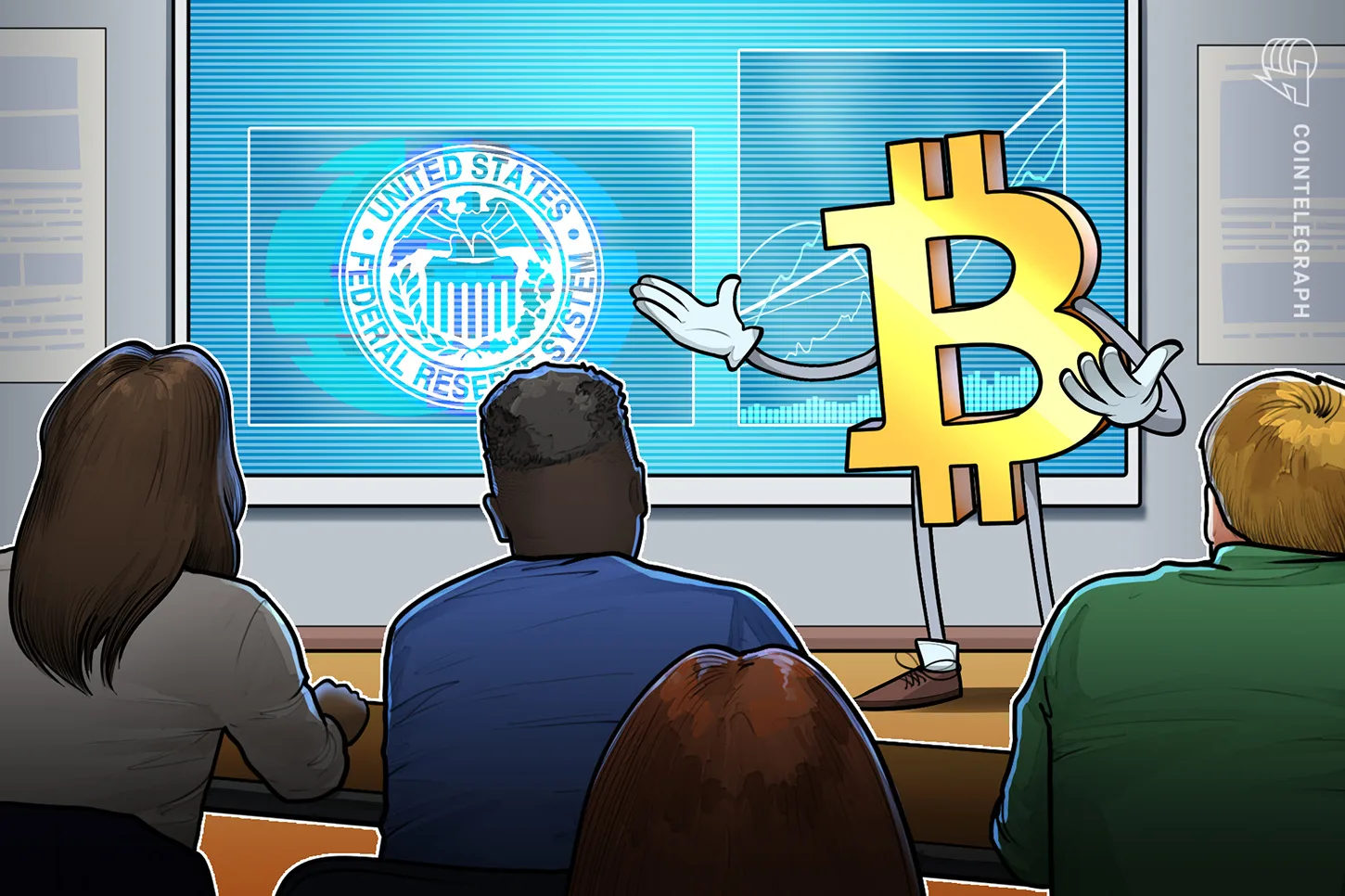
Bitcoin edged higher toward $63,000 following a volatile week shaped by a hawkish Federal Reserve meeting and renewed geopolitical strain involving Iran’s assertions over the Strait of Hormuz. The cryptocurrency faced selling pressure after the Fed’s decision but found support amid growing uncertainty in global risk assets.
The Federal Reserve’s latest policy statement, delivered under new chair Kevin Warsh, dropped dovish hints and eliminated prior forward guidance, signaling a less predictable monetary outlook. The Fed maintained interest rates but stressed inflation remains elevated, citing supply shocks in energy sectors. Market participants responded by pricing in nearly a 40% chance of a rate hike at the upcoming July meeting, contributing to cautious investor sentiment.

Against this backdrop, Bitcoin’s short-term momentum stalled, trading in a narrow range after briefly touching eight-day lows. Analysts noted that despite recent losses, the underlying risk environment keeps the possibility of unexpected “black swan” events on investors’ radar during this crypto bear market phase.
Meanwhile, geopolitical developments unsettled markets further. Despite signing a limited memorandum of understanding aimed at easing regional tensions, Iran signaled a strategic shift by asserting control over the Strait of Hormuz. The Iranian stance threatens vital oil shipping lanes, with reports indicating that transit will require Iran’s permission after the MoU’s temporary terms expire.
The Strait of Hormuz is a globally significant oil route, and Iran’s move raised concerns about potential long-term disruptions. Crude oil prices responded accordingly, underlining the connection between geopolitical risk and broader market volatility affecting cryptocurrencies and traditional assets alike.